
3 Mindfulness Techniques to Help Kids Manage Stress
October 11, 2025
Managing Your Child’s Stress Through Mindfulness Have you noticed your child feeling overwhelmed or anxious...
Have you ever noticed your child reacting inappropriately to a friend’s sadness or failing to pick up on your frustration after a long day? Understanding others’ emotions is a crucial life skill, yet many children struggle with it. This can affect their friendships, classroom behaviour, and overall emotional intelligence. But why does this happen, and how can parents step in to help?
Children aren’t born with the ability to instantly recognise and interpret emotions; they learn it over time through experiences, observation, and guidance. In today’s fast-paced, screen-dominated world, children may have fewer real-life interactions that help develop emotional intelligence. The good news? With the right strategies, you can help your child navigate this essential skill.
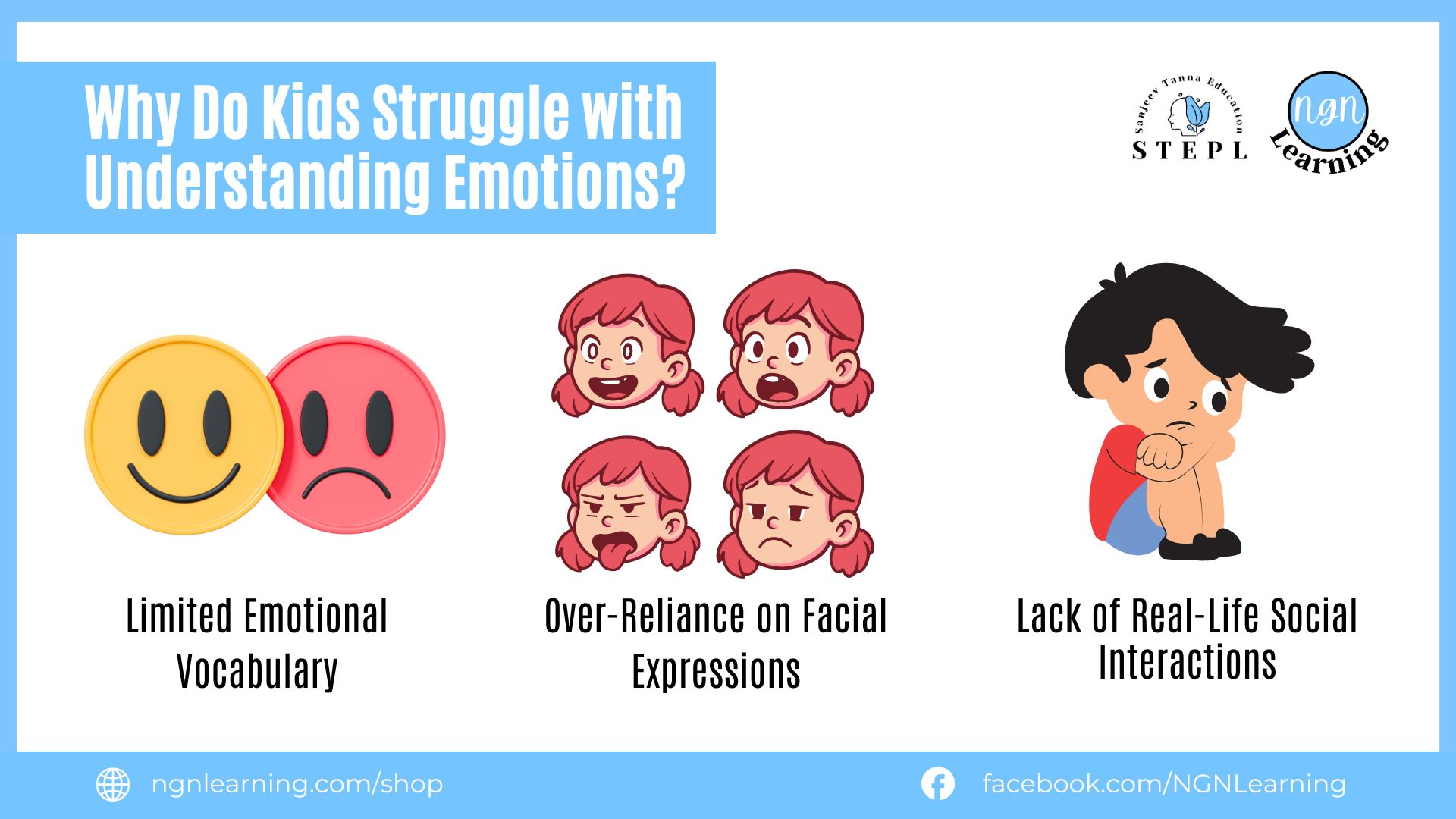
Children often lack the words to describe what they or others are feeling. If a child can only express emotions as “happy” or “sad,” they may struggle to identify more complex emotions like frustration, disappointment, or empathy.
Many children are taught to associate emotions with facial expressions alone. However, real-life interactions involve subtle cues like tone of voice, body language, and context.
Young children naturally see the world from their own viewpoint. The ability to understand others’ emotions requires cognitive development and practice in perspective-taking.
Technology has changed the way children interact. Excessive screen time reduces the chances for face-to-face conversations, where they can observe and learn emotional cues naturally.
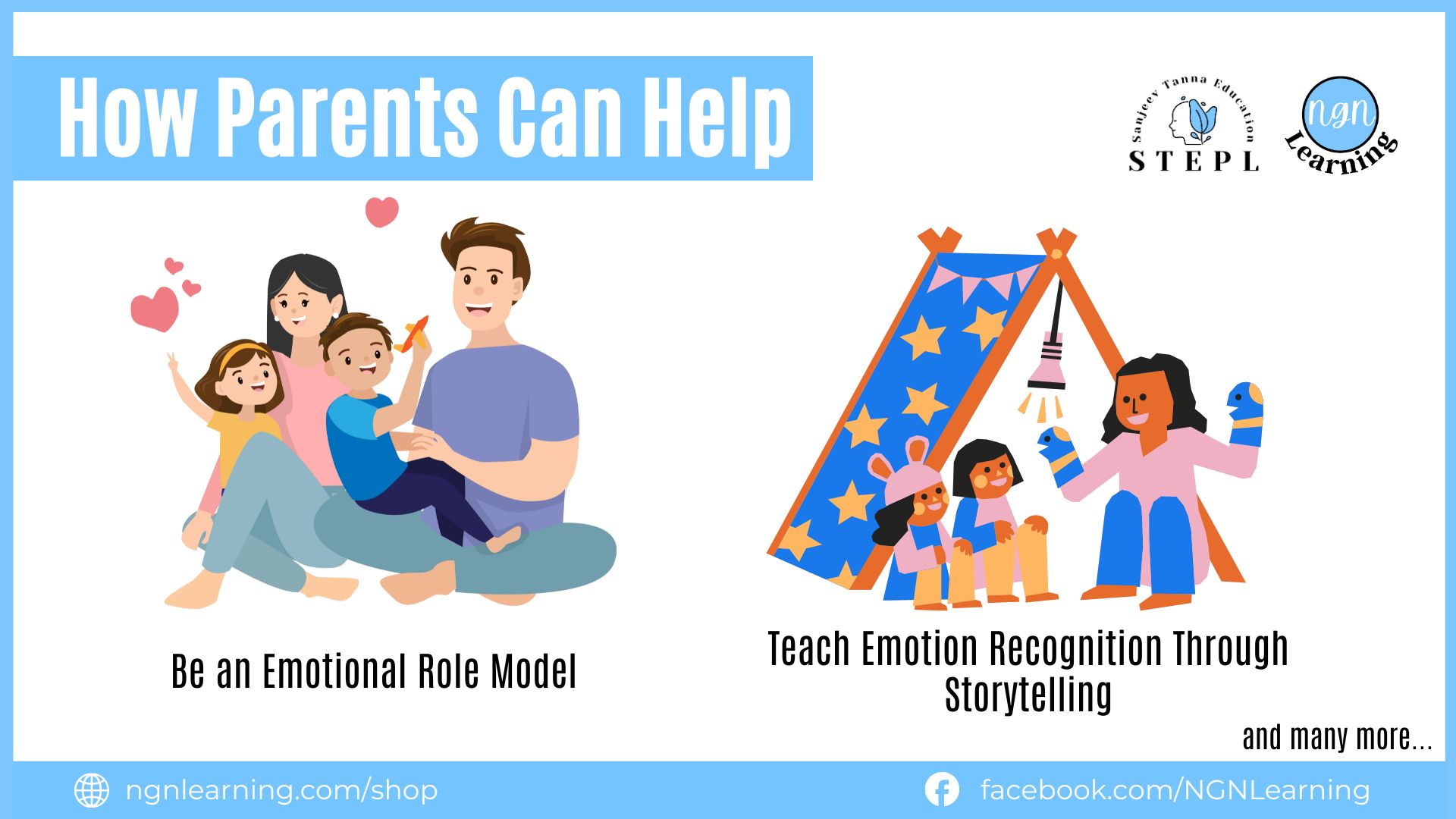
Children mirror their parents’ behaviour. When you openly express and label your own emotions, children learn to do the same.
Stories allow children to explore emotions in a safe and engaging way.
Help children develop empathy by encouraging them to think from another person’s point of view.
Make discussing emotions a regular part of your home life.
Understanding emotions is not an overnight process; it requires continuous learning, practice, and support. By incorporating these social, emotional, ethical, and logical learning tools, you can help your child develop strong emotional intelligence, improving their relationships and overall well-being.
However, if your child consistently struggles with understanding emotions, has difficulty forming relationships, or shows signs of emotional distress, seeking guidance from a professional counselor can make a significant difference. Early intervention can help them develop the skills they need to thrive socially and emotionally.

October 11, 2025
Managing Your Child’s Stress Through Mindfulness Have you noticed your child feeling overwhelmed or anxious...
June 1, 2024
10-year old Autistic Child Learns Her Social and Emotional Cues! Meet Haana*, a 10-year-old autistic...
September 24, 2024
3 Tips for Addressing Social Anxiety in the Classroom “The greatest mistake you can make...