5 Tips for Understanding and Redirecting Your Child’s Attention-Seeking Behavior
October 30, 2024
5 Tips for Understanding and Redirecting Your Child’s Attention-Seeking Behavior From birth, children start forming...
Children’s tantrums are not a reflection of bad behaviour but an indication of an overwhelmed emotional system that needs guidance and understanding.” – Dr Laura Markham, Clinical Psychologist.

Temper tantrums are a natural part of a child’s development, yet they can leave parents feeling helpless and frustrated. These emotional outbursts, often intense and unpredictable, are a child’s way of expressing unmet needs or feelings they cannot yet articulate. Understanding why tantrums occur and how to manage them effectively can transform these challenging moments into opportunities for growth and connection.
Temper tantrums are sudden episodes of extreme anger and frustration, often characterised by crying, screaming, kicking, and sometimes even aggressive behaviour. They are most common in children aged 1 to 3 years, a crucial period for emotional and cognitive development. During this time, children are learning to navigate their world, understand their emotions, and communicate their needs.
Recognising the signs of an impending tantrum can help you intervene early. Common signs include whining, clinginess, frustration, and minor physical gestures like stomping feet. Triggers vary from child to child but often include:
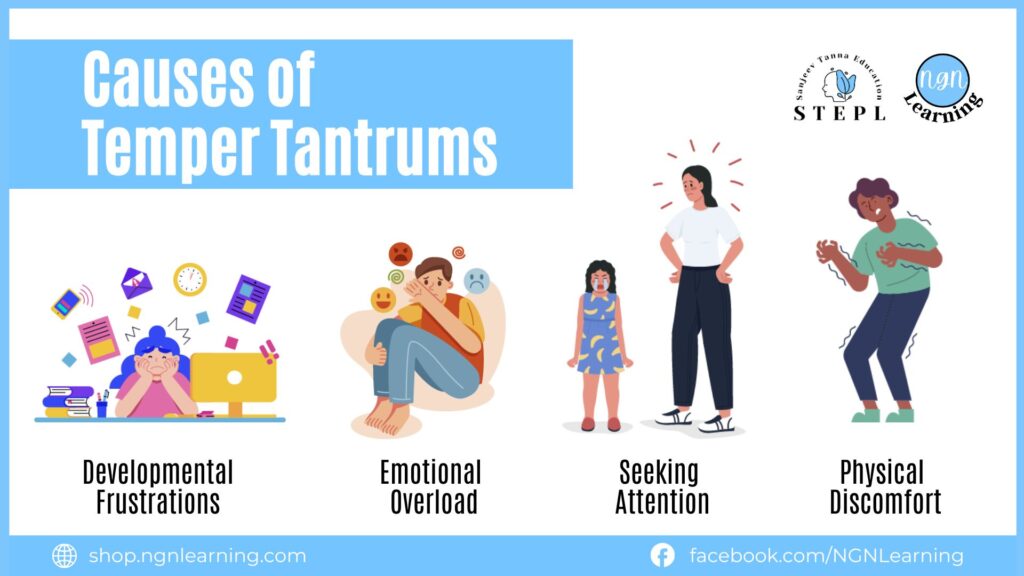
Understanding the root causes of tantrums is essential. They often stem from:
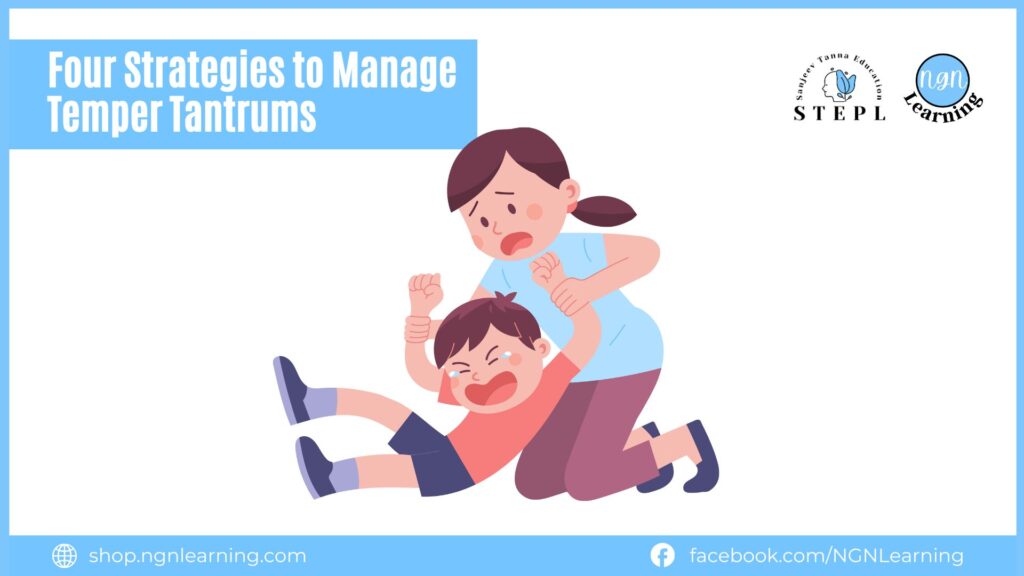
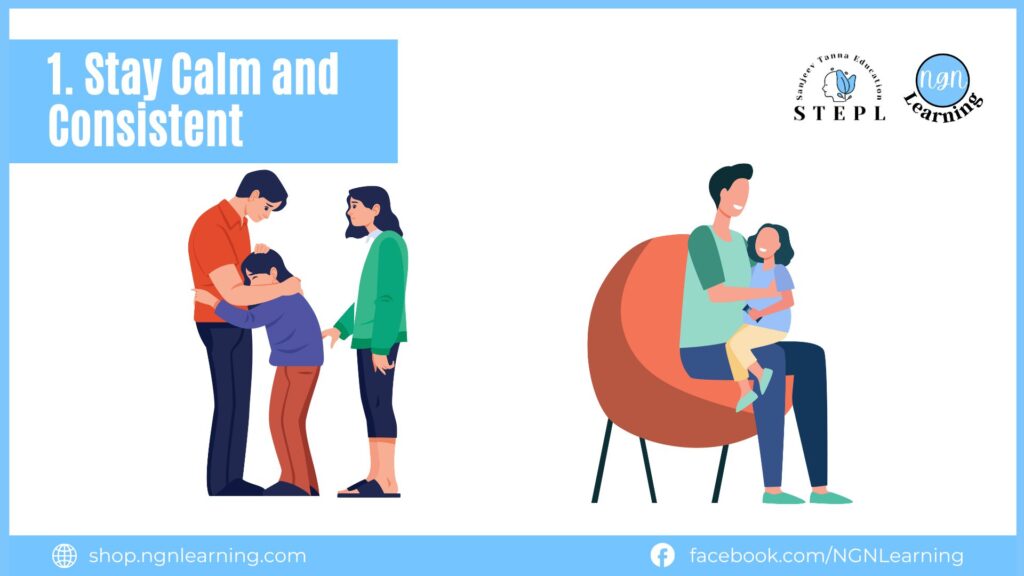
Children often look to their parents for cues on how to react. Remaining calm during a tantrum can help de-escalate the situation. Use a soothing voice and avoid yelling or punishing the child, which can exacerbate their distress. Consistency in your responses helps children understand boundaries and expectations.
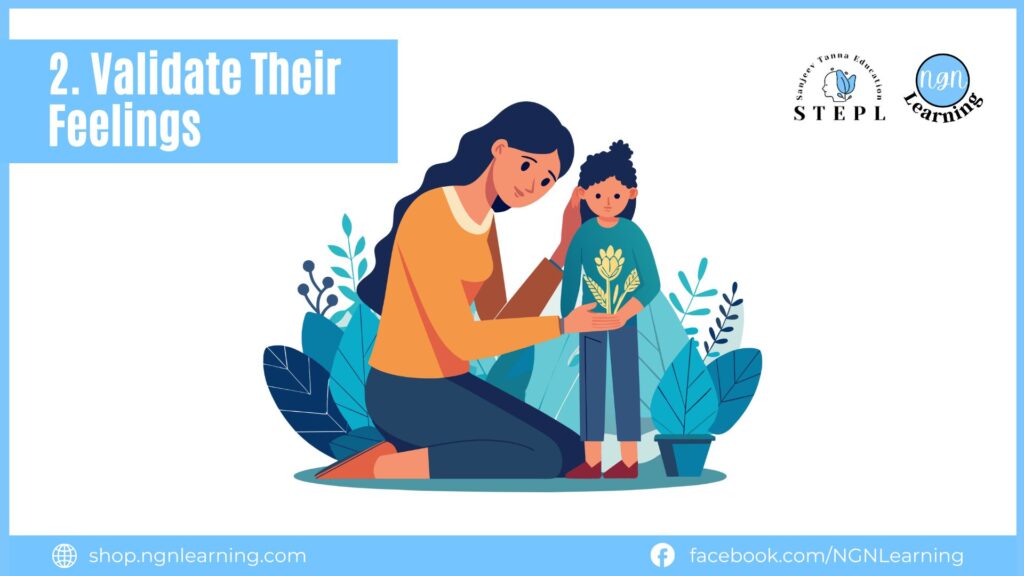
Acknowledge your child’s emotions without giving in to unreasonable demands. Statements like “I see you’re very upset” or “It’s okay to be angry, but we don’t hit” validate their feelings while reinforcing acceptable behaviour. This approach teaches children that their emotions are valid, but certain behaviours are not.
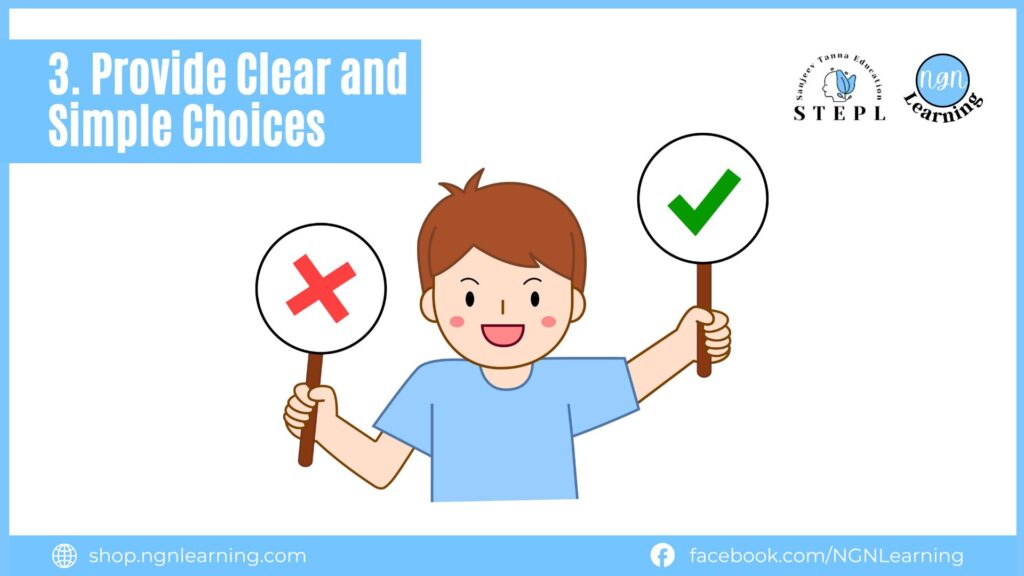
Offering choices gives children a sense of control and can prevent tantrums. For example, “Do you want to wear the red shirt or the blue shirt?” provides a structured way for children to make decisions without feeling overwhelmed. Ensure that the choices are limited and acceptable to you as well.
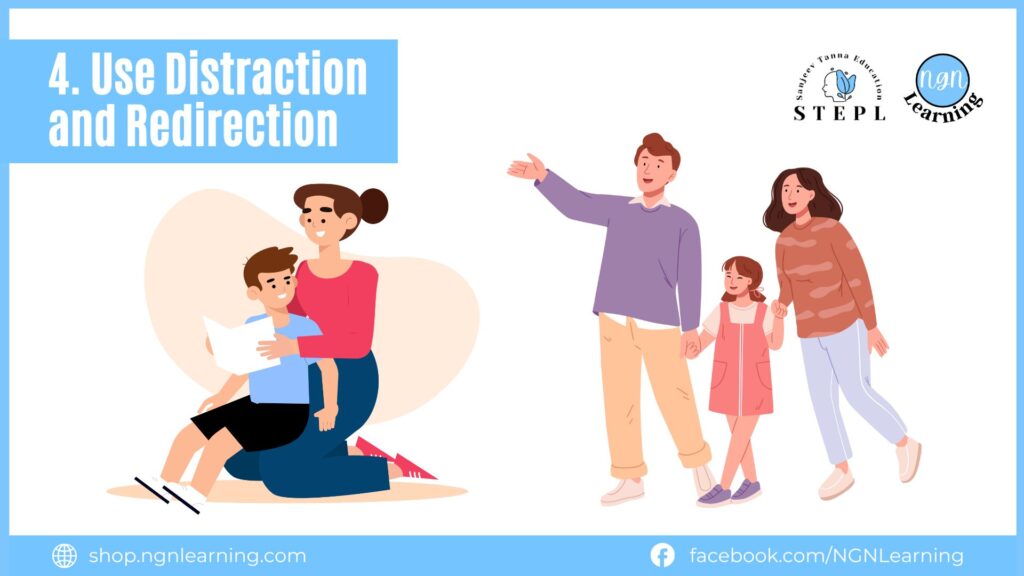
Sometimes, the best way to handle a tantrum is to distract the child with a new activity or redirect their attention to something else. Engaging them in a favourite game, showing them a toy, or starting a fun activity can shift their focus away from what triggered the tantrum.
Sarah, a mother of a three-year-old named Michael, often found herself at her wit’s end with Michael’s frequent tantrums. Michael would throw a fit every time they had to leave the playground. Sarah decided to implement the strategies she learned. First, she stayed calm during Michael’s outbursts, resisting the urge to yell. She began validating his feelings by saying, “I know leaving the playground is hard, but we can come back tomorrow.” She also started giving him choices, like deciding whether he wanted to walk home or be carried. Finally, she used distraction, pointing out interesting things on their way home.
Over time, Michael’s tantrums became less frequent and intense. By staying calm, validating his feelings, offering choices, and using distraction, Sarah was able to help Michael manage his emotions better.
Dealing with a child’s temper tantrums can be challenging, but with patience, understanding, and the right strategies, it’s possible to navigate these moments effectively. By staying calm, validating feelings, providing choices, and using distraction, parents can help their children learn to manage their emotions and develop healthier ways to express themselves. Remember, tantrums are a normal part of childhood and an opportunity for growth for both the child and the parent.
If these strategies don’t seem to be helping, it might be time to consider if the fear of failure is connected to deeper issues that could benefit from professional support.

October 30, 2024
5 Tips for Understanding and Redirecting Your Child’s Attention-Seeking Behavior From birth, children start forming...
September 9, 2024
Top 3 Strategies To Support Students Who Have Experienced Trauma “Trauma is a fact of...
November 1, 2025
Empathy and compassion are crucial life skills that help children understand and share the feelings...