
Building Emotionally Intelligent Kids: A Parent’s Guide to Mental Wellness
July 1, 2025
Building Emotionally Intelligent Kids: A Parent’s Guide to Mental Wellness In today’s whirlwind world, kids...

A child’s self-worth is the foundation upon which their confidence, resilience, and overall well-being are built. When children feel valued and capable, they are more likely to explore the world, take on challenges, and develop into emotionally strong individuals. But in today’s fast-paced, highly competitive world, children often face self-doubt, criticism, and unrealistic expectations that can diminish their self-esteem. So, how can you, as a parent, help? Here are four powerful techniques to nurture and strengthen your child’s self-worth.
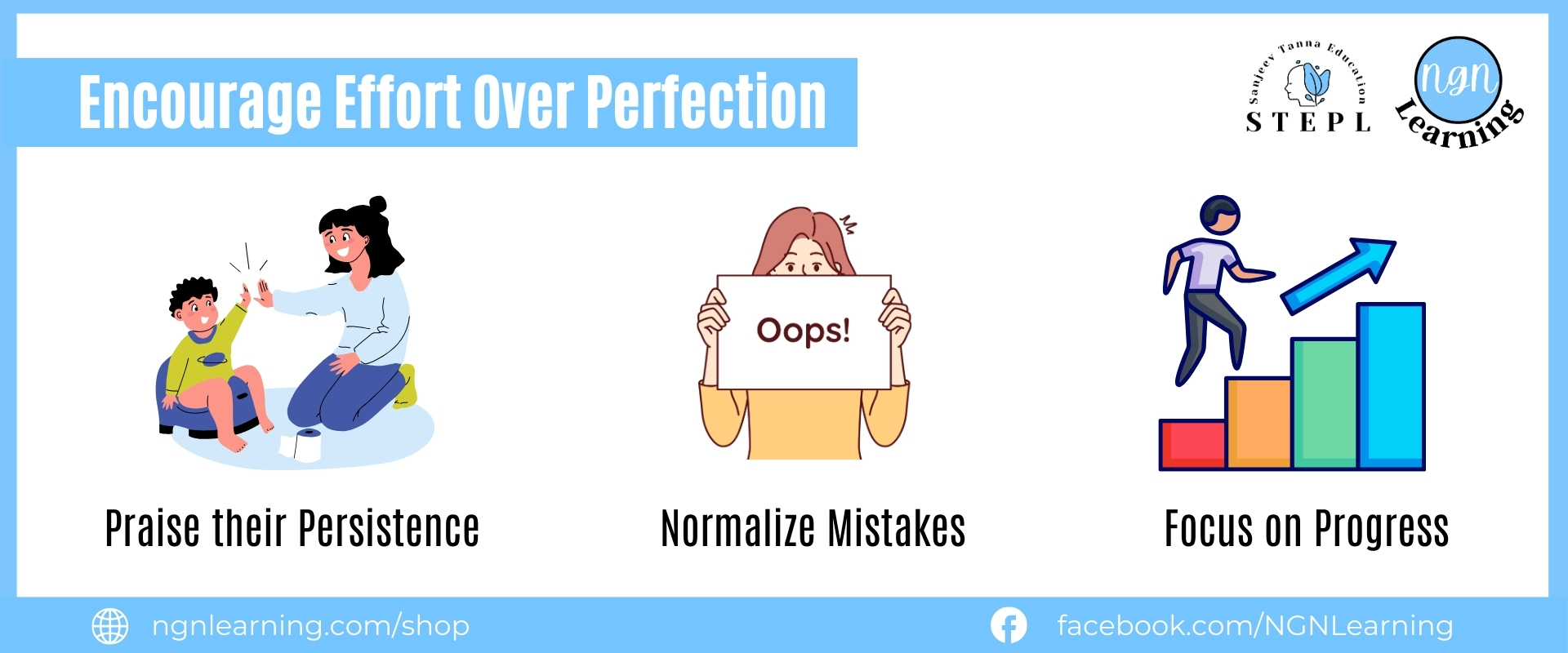
Many children feel pressure to be the best at everything—academics, sports, extracurricular activities—but the truth is, perfection is an unrealistic goal. Instead of emphasizing flawless results, celebrate the effort your child puts into their work.
This approach fosters resilience and reduces the fear of failure, making your child more confident in their abilities.
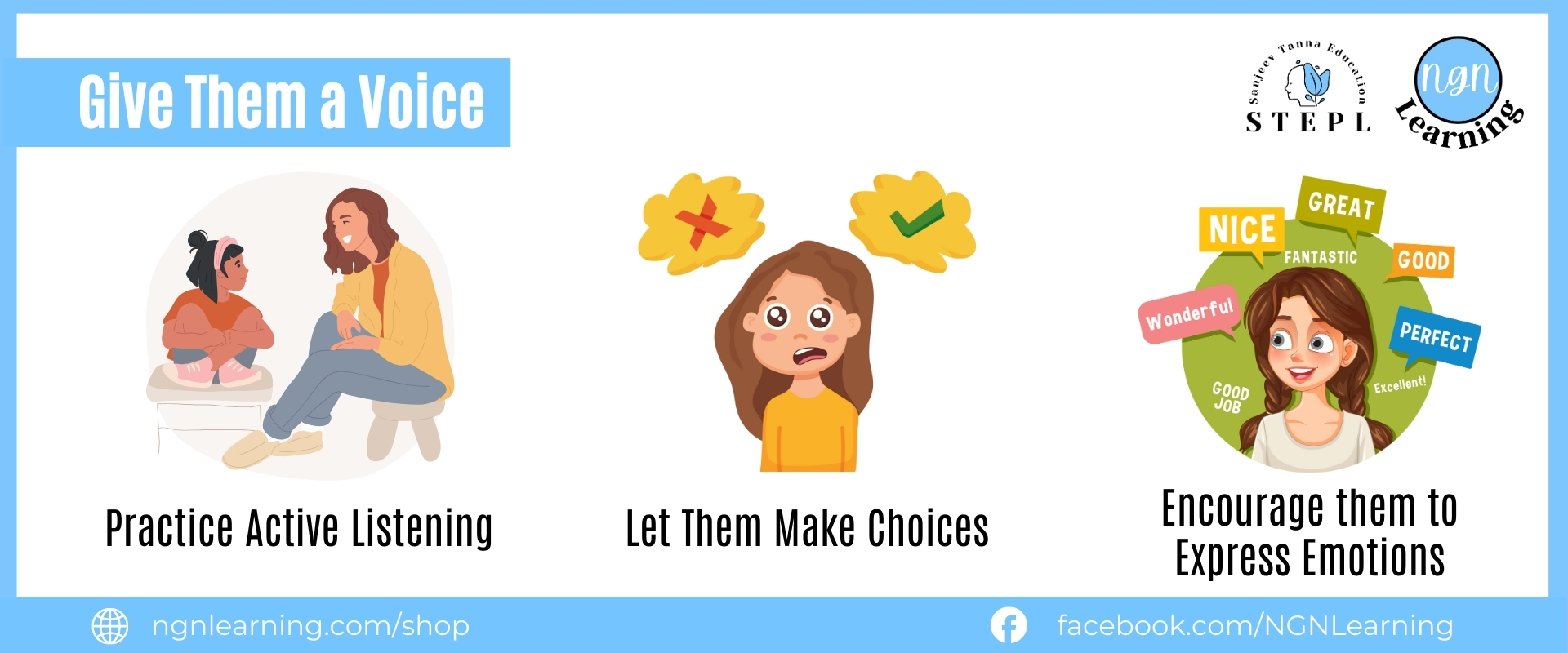
A child who feels heard develops a strong sense of self-worth. When children are constantly dismissed or ignored, they may start believing that their opinions don’t matter. To empower your child:
Feeling valued and understood at home helps children develop the confidence to express themselves in other areas of life.
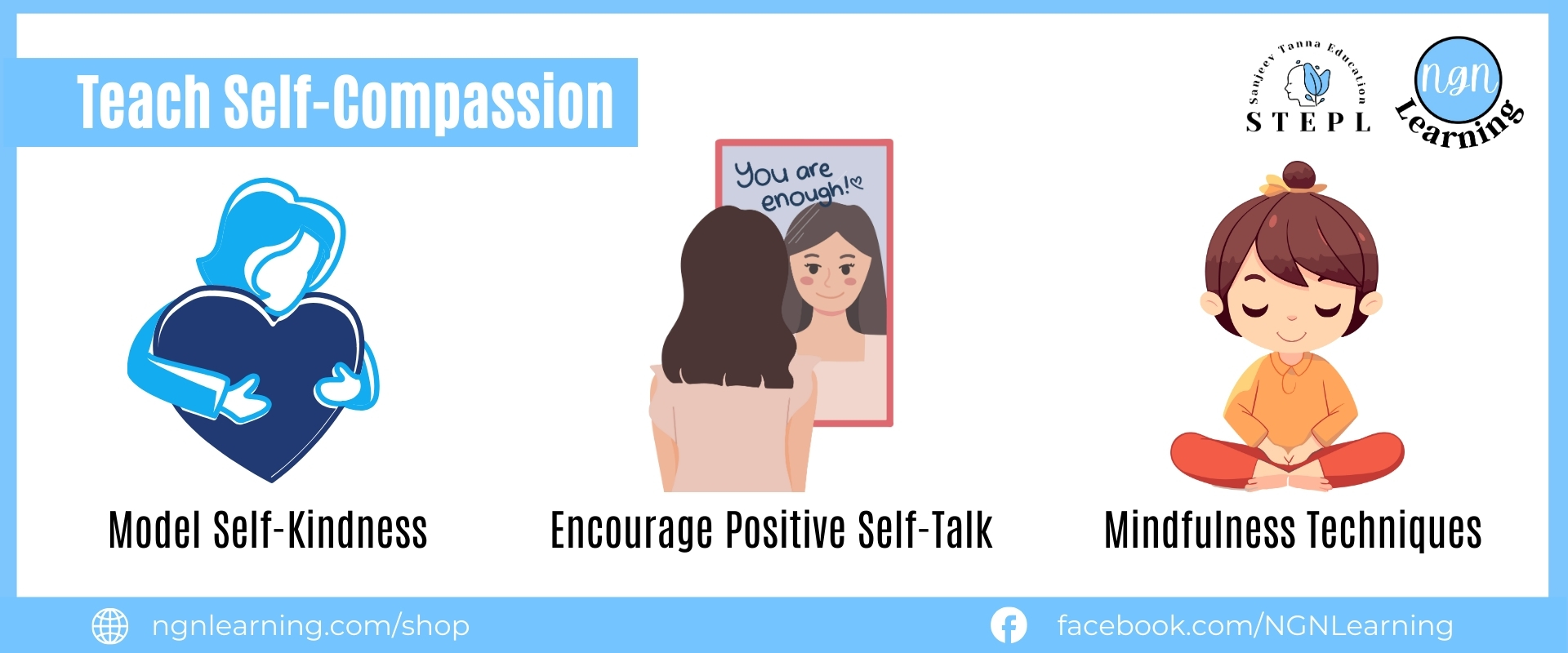
Many children are their own worst critics. They compare themselves to others, feel ashamed of their mistakes, and engage in negative self-talk. Teaching self-compassion can counteract this and help them develop a kind, accepting attitude towards themselves.
Self-compassion reduces anxiety, increases resilience, and helps children see themselves in a positive light.
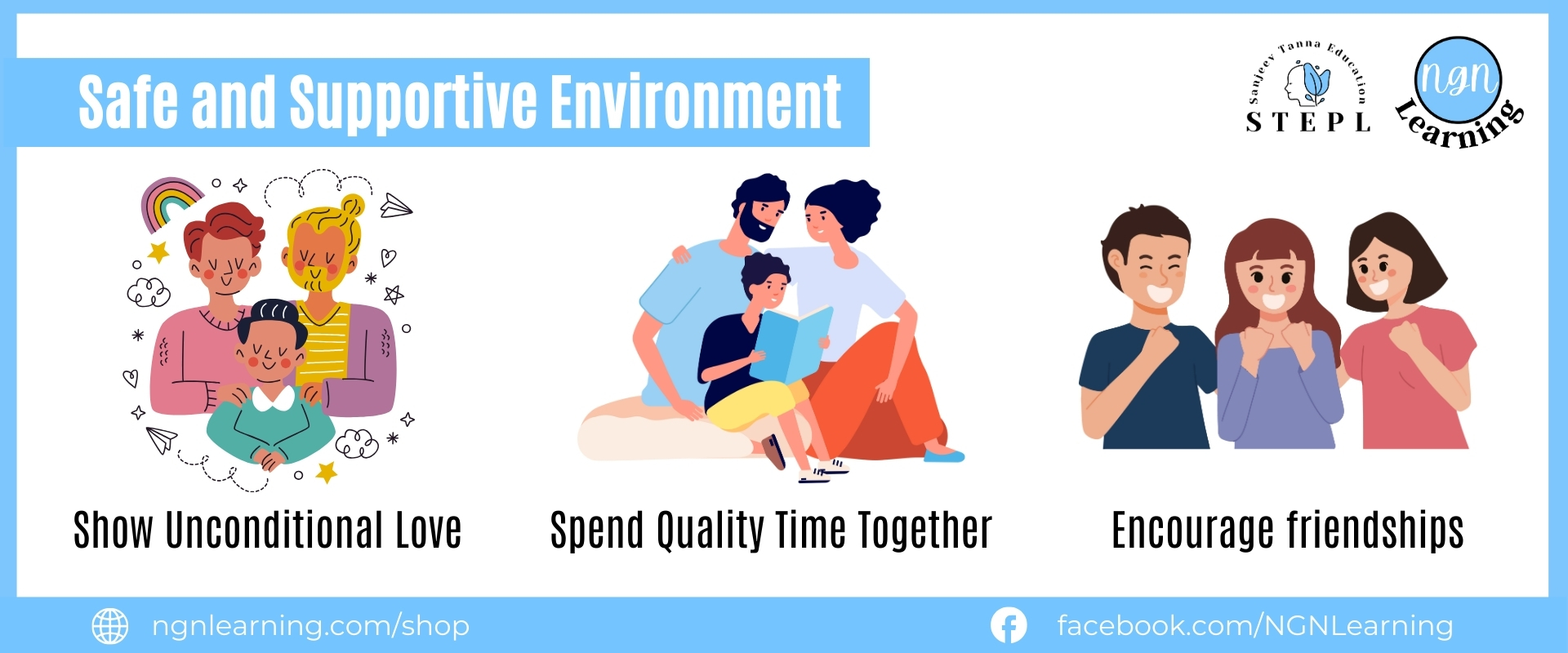
A nurturing environment is key to building self-worth. Children need to feel loved, accepted, and secure to develop confidence in themselves.
When children feel safe and valued at home, they are more likely to carry that sense of worth into the outside world.
By incorporating these Social, Emotional, Ethical, and Logical Learning Tools, you can create a strong foundation for your child’s self-worth. Strengthening your child’s self-worth is an ongoing process, not a one-time task. By encouraging effort over perfection, giving them a voice, teaching self-compassion, and creating a safe environment, you are laying the groundwork for a confident, resilient individual. If your child struggles with self-esteem despite your efforts, seeking guidance from a professional counselor can provide additional support. Taking the first step toward professional guidance can be a game-changer in your child’s emotional and social development.

July 1, 2025
Building Emotionally Intelligent Kids: A Parent’s Guide to Mental Wellness In today’s whirlwind world, kids...

September 27, 2024
From Awareness to Action: 5 Teacher Tips to Combat Bullying in Schools Bullying in schools...

November 7, 2024
5 Ways to Empower Your Teen to Combat Online Harassment Is/If Your Child is withdrawing...