
3 Effective Strategies to Help Your Child Overcome Fear
December 15, 2025
Understanding Fear: What Is It and What Causes It? Fear is a natural,...
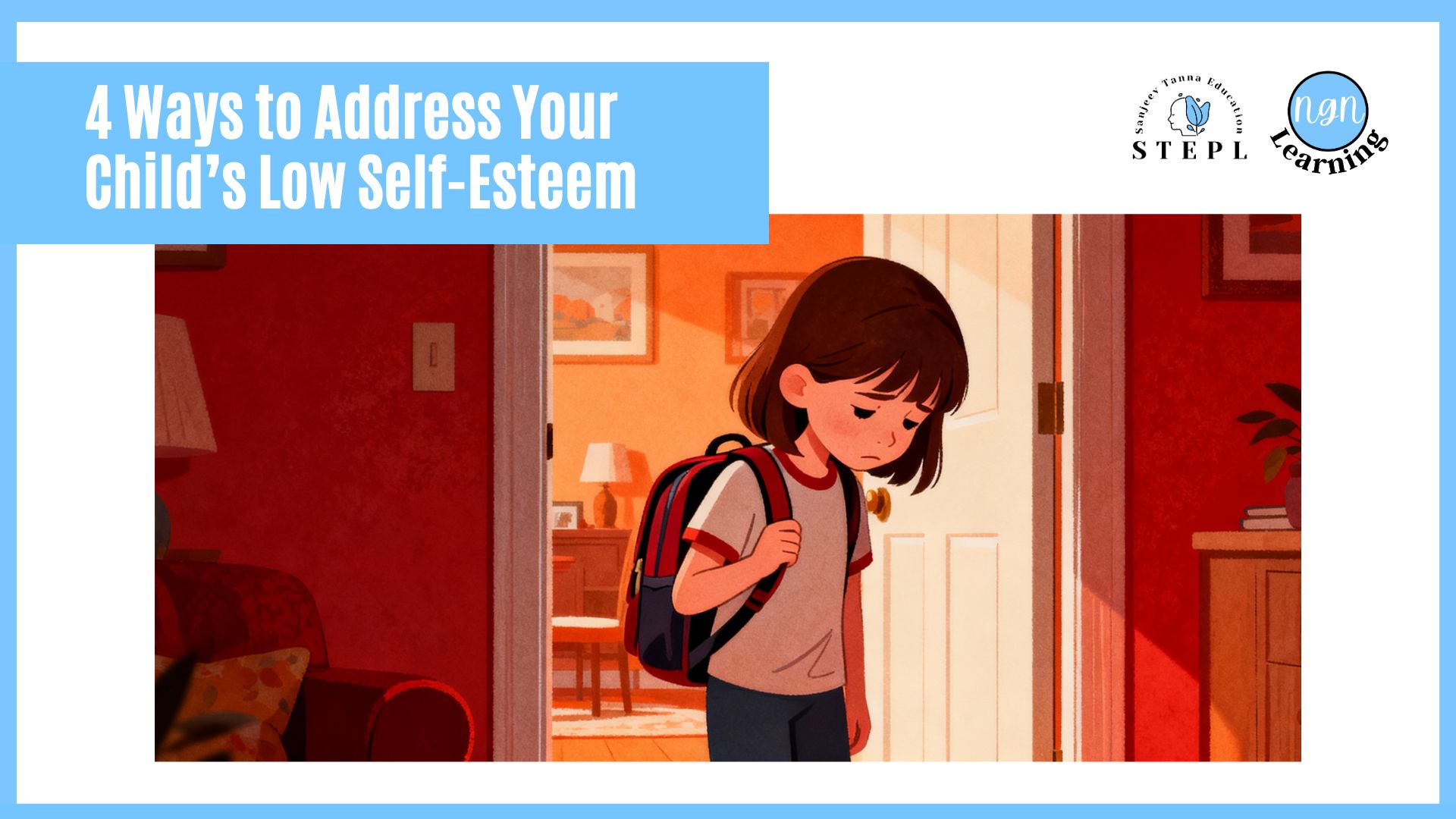
Every parent wants their child to feel confident and happy, but sometimes, kids struggle with low self-esteem. Imagine your child comes home from school, head hanging low, and says, “I can’t do anything right.” It breaks your heart, right? You’re not alone. Many parents face this challenge, and the good news is that there are practical ways to help your child build their self-esteem. Let’s dive into four effective strategies that you can start using today.

Children often feel pressured to succeed, which can lead to low self-esteem when they don’t meet expectations. Focus on celebrating their efforts rather than the results.
Example: If your child studies hard for a test but doesn’t get the grade they hoped for, praise their hard work instead of focusing on the grade. Say something like, “I’m really proud of how hard you studied and the effort you put into preparing for the test. That’s what really matters!”
Practical Tips:
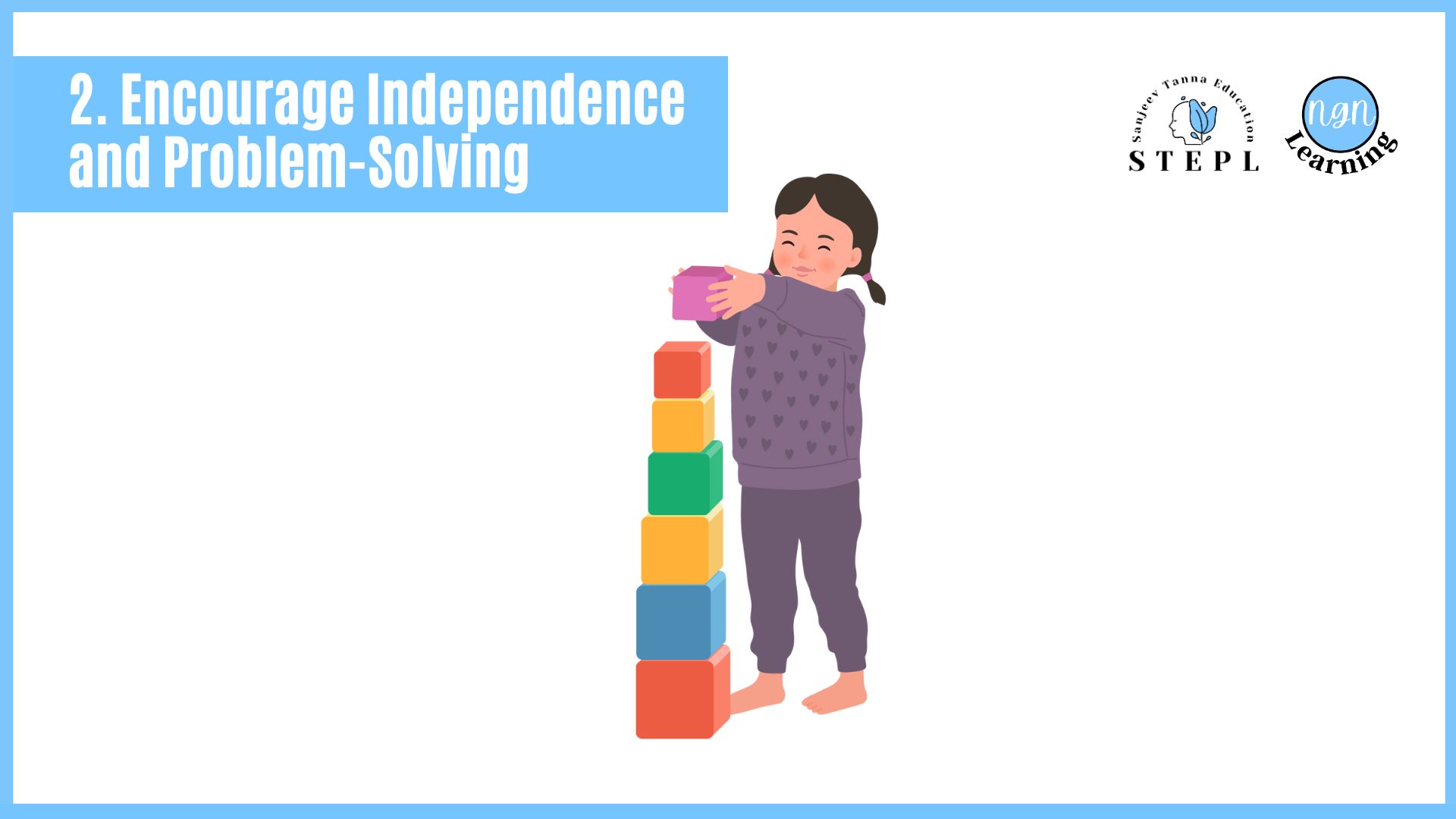
Children gain confidence when they learn to solve problems on their own. Encouraging independence helps them realise they are capable and competent.
Example: If your child is struggling to tie their shoes, instead of stepping in to do it for them, guide them through the process. Offer encouragement and step-by-step instructions, but let them try it themselves.
Practical Tips:
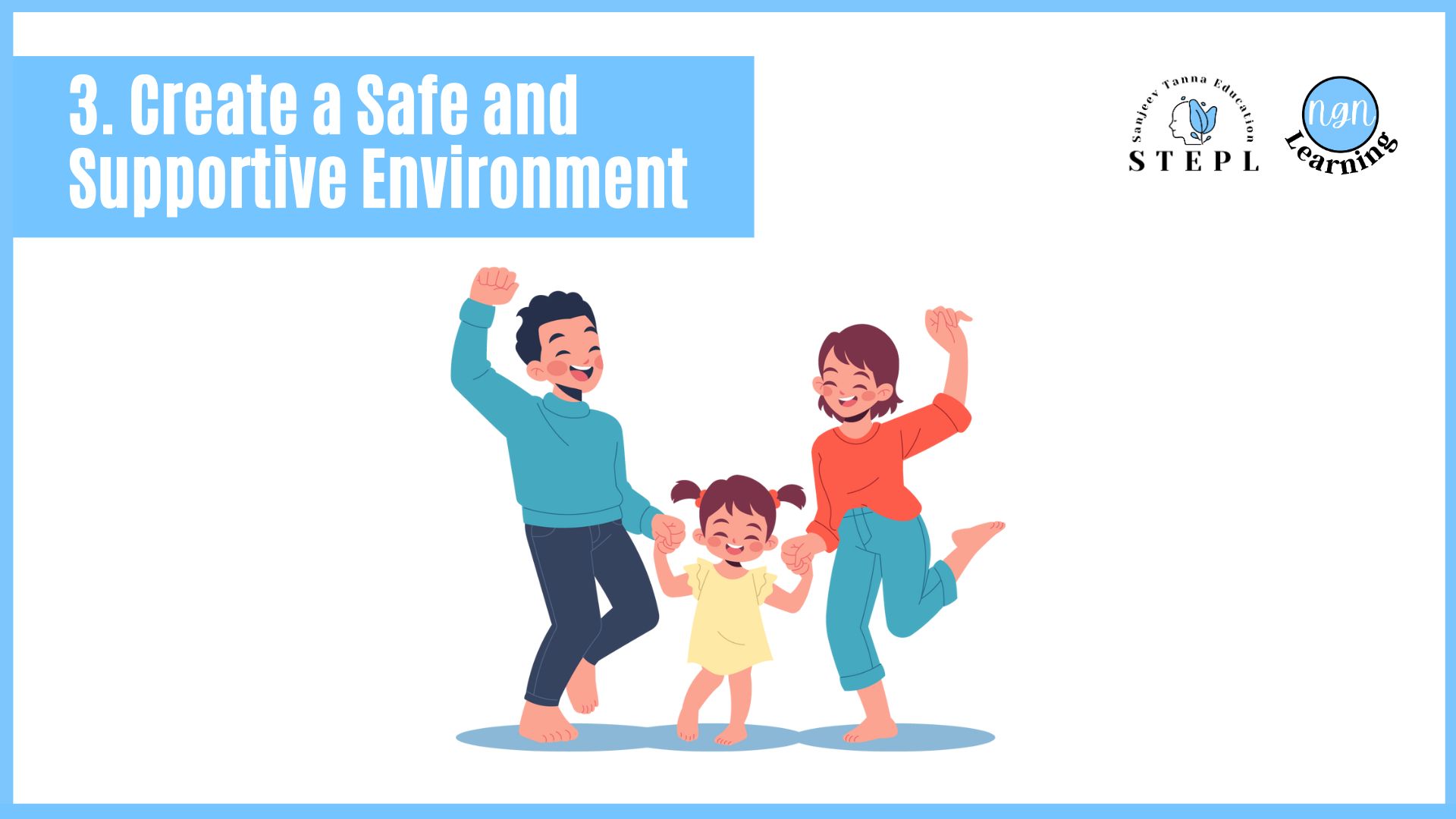
A nurturing environment where your child feels safe and loved can significantly boost their self-esteem. They need to know they have a secure base to return to, no matter what happens outside.
Example: Establish a routine where you spend quality time together, like reading a book before bed or having a special weekend activity. This consistency provides reassurance and a sense of belonging.
Practical Tips:
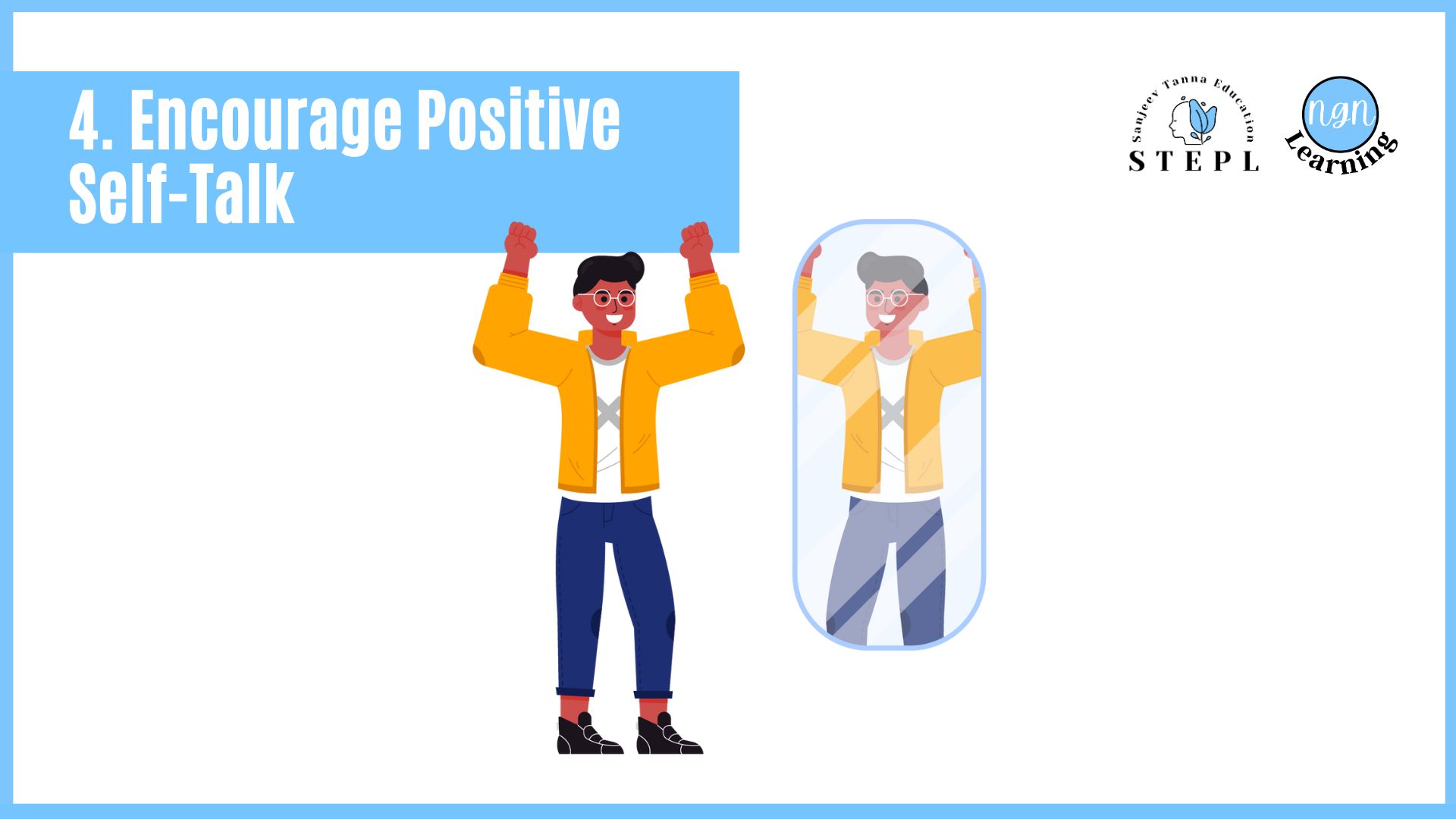
Children often mirror the way they are spoken to. Encouraging positive self-talk helps them develop a healthier inner dialogue, boosting their self-esteem.
Example: If your child says, “I’m so bad at maths,” help them reframe it by saying, “Maths can be challenging, but I know you can improve with practice. Remember how hard you worked on your spelling and how much better you got?”
Practical Tips:
Boosting your child’s self-esteem is an ongoing process that requires patience and consistency. By celebrating their efforts, encouraging independence, creating a supportive environment, and fostering positive self-talk, you can help your child develop a healthy sense of self-worth. Remember, the goal is to help them believe in themselves and their abilities. Every small step you take in this direction will make a significant difference in your child’s life.

December 15, 2025
Understanding Fear: What Is It and What Causes It? Fear is a natural,...

November 20, 2024
Empowering Kids to Overcome Challenges: Three Effective Problem-Solving Strategies Every child faces challenges, whether they...

June 1, 2024
10-year old Autistic Child Learns Her Social and Emotional Cues! Meet Haana*, a 10-year-old autistic...