5 Ways to Navigate Your Child’s Emotional Outbursts | NGN Learning
5 Ways to Navigate Your Child’s Emotional Outbursts
December 15, 2025
Raising a child can be full of unexpected challenges, especially when it comes to managing emotional outbursts. These intense reactions can occur anywhere – at home, in the store, at the park – and can leave you feeling frustrated and helpless.
What is an Emotional Outburst?
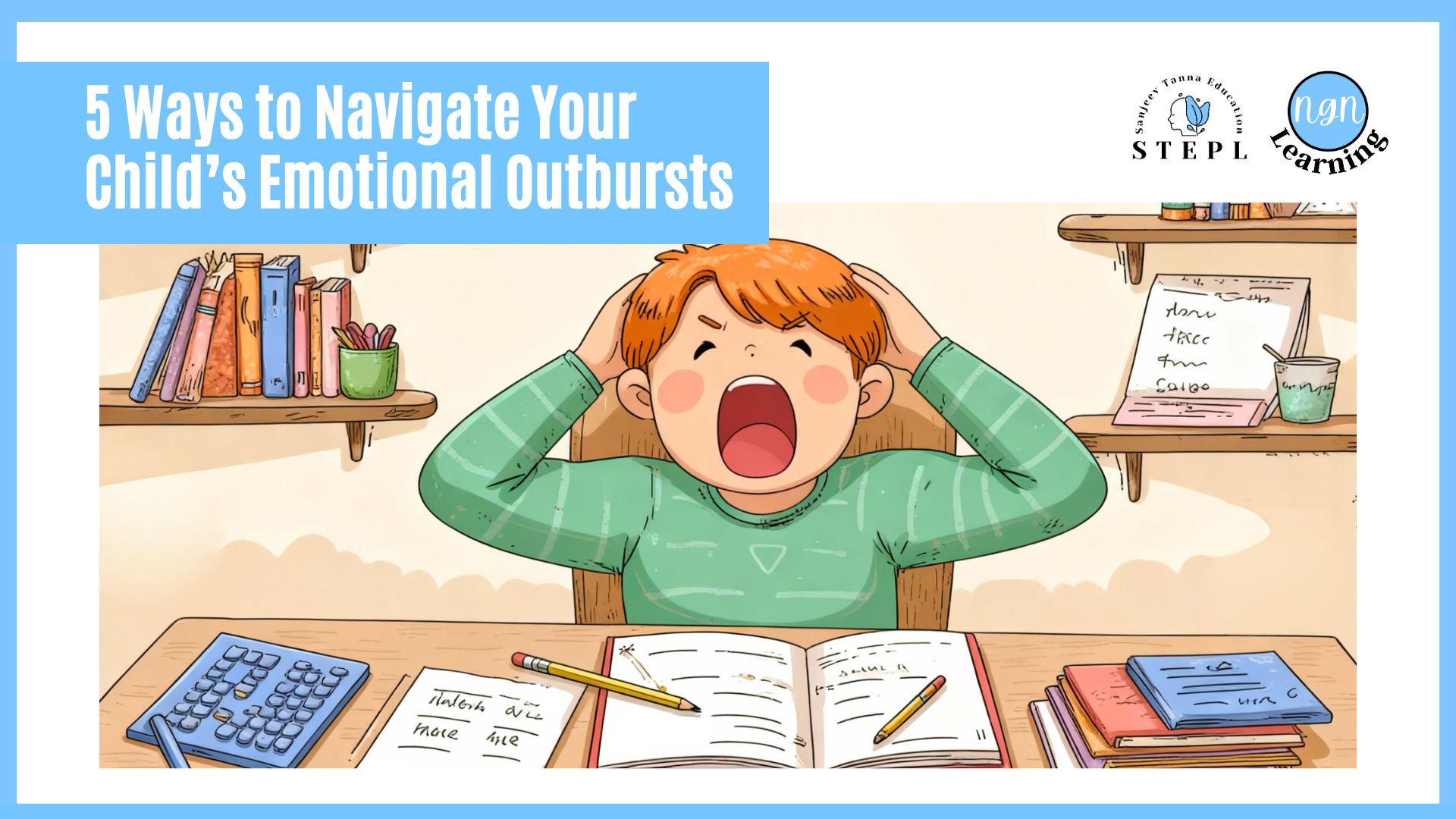
An emotional outburst is a sudden and intense expression of emotions, such as anger, frustration, sadness, or anxiety. These episodes can be triggered by seemingly minor issues but often have deeper underlying causes.
Desire for Immediate Gratification: Adolescents/Children need for instant fulfilment makes it difficult for them to cope with delays or denials, leading to frustration and outbursts.
Emotional Urgency: The intense desire for freedom and growth causes difficulty in managing blocked or delayed needs, resulting in irritability and impulsive outbursts.
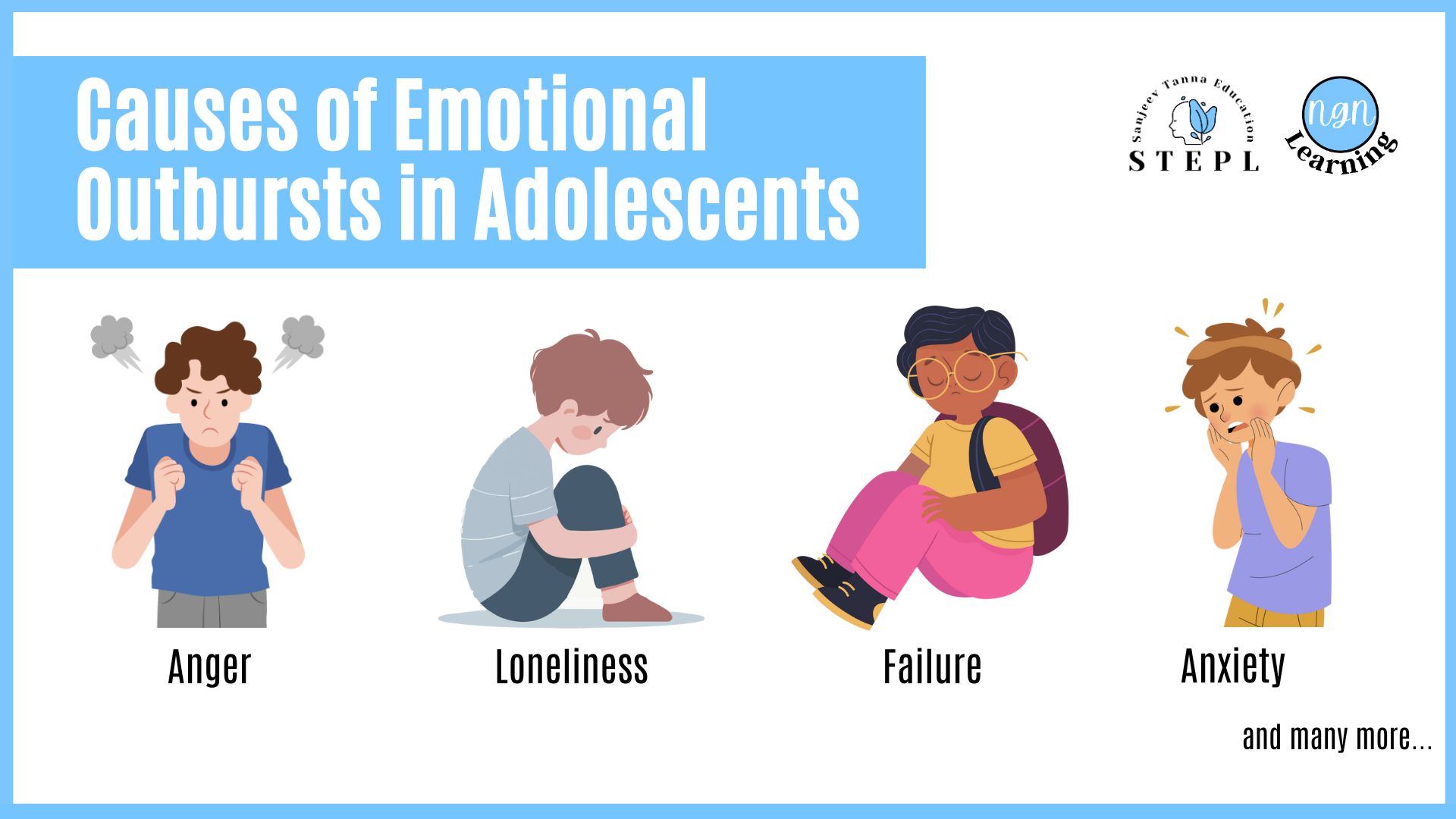
Sadness
Loss of Childhood: Transitioning from childhood to adolescence involves significant losses, such as giving up beloved activities and interests, which can lead to sadness and subsequent emotional outbursts.
Anger
Desire for Independence: Adolescents’ growing need for autonomy often clashes with parental rules, causing resentment and anger that can lead to outbursts
Loneliness
Peer Relationship Challenges: Rejection and instability in friendships can lead to feelings of loneliness and subsequent emotional outbursts.
Boredom
Restlessness: Lack of engaging activities can cause boredom and impulsive behaviour, resulting in emotional outbursts.
Failure
Unmet Expectations: Failing to meet personal or parental expectations can lead to disappointment and feelings of failure, causing emotional outbursts.
Comparative Failure: Comparing oneself to peers and feeling inadequate can trigger emotional distress and outbursts.
Anxiety
New Challenges: Facing new and often intimidating experiences during adolescence can cause anxiety, leading to emotional outbursts.
Stress
Increased Responsibilities: The growing demands of adolescence, both academically and socially, can lead to stress and emotional outbursts.
Shyness
Social Challenges: The increased need to socialise with peers can be intimidating, causing shy adolescents to experience emotional outbursts.
Fear of Social Interaction: Common fears of attracting attention, being embarrassed, rejected, or speechless can lead to emotional outbursts in shy adolescents.
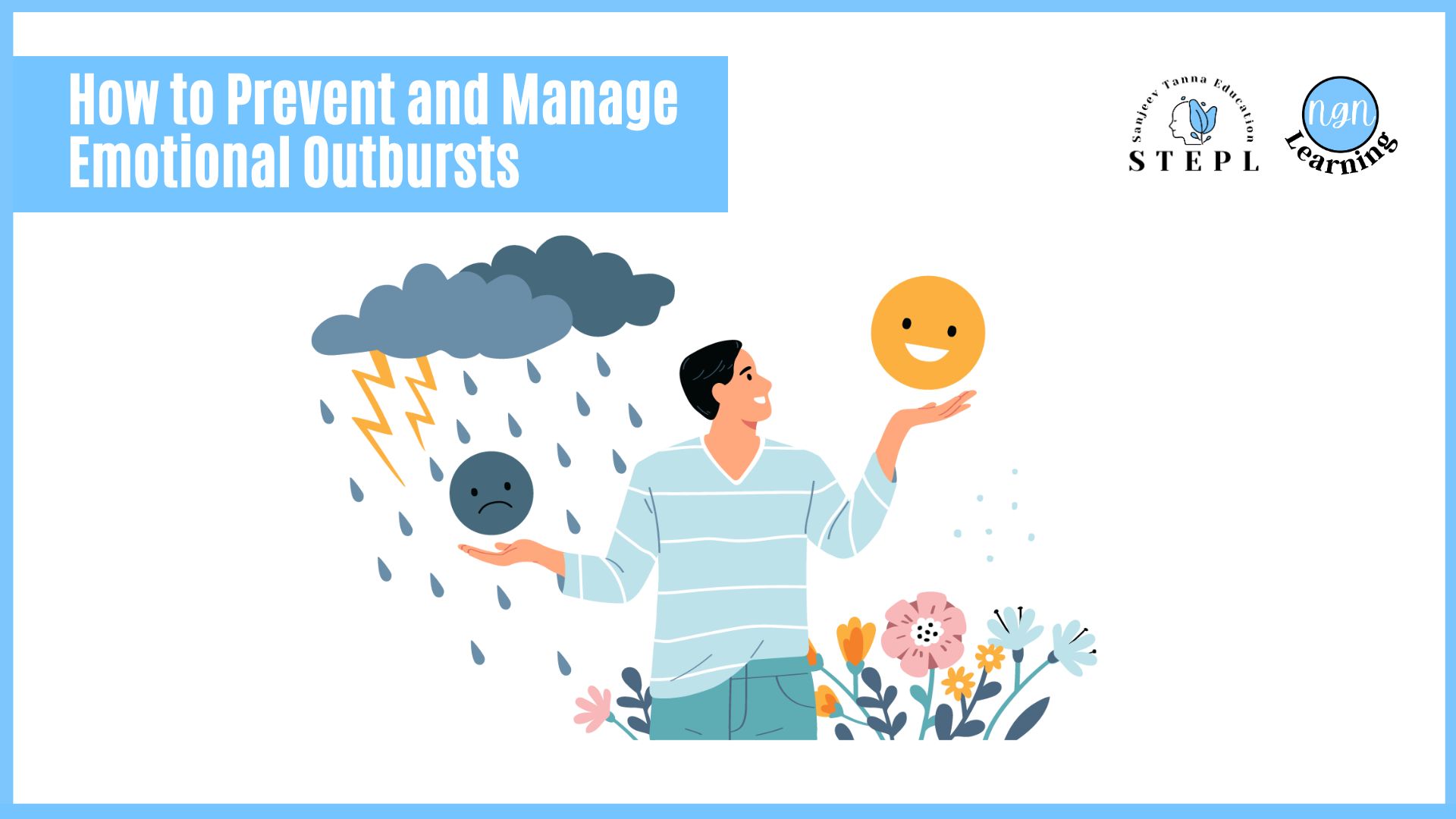
How to Prevent and Manage Emotional Outbursts
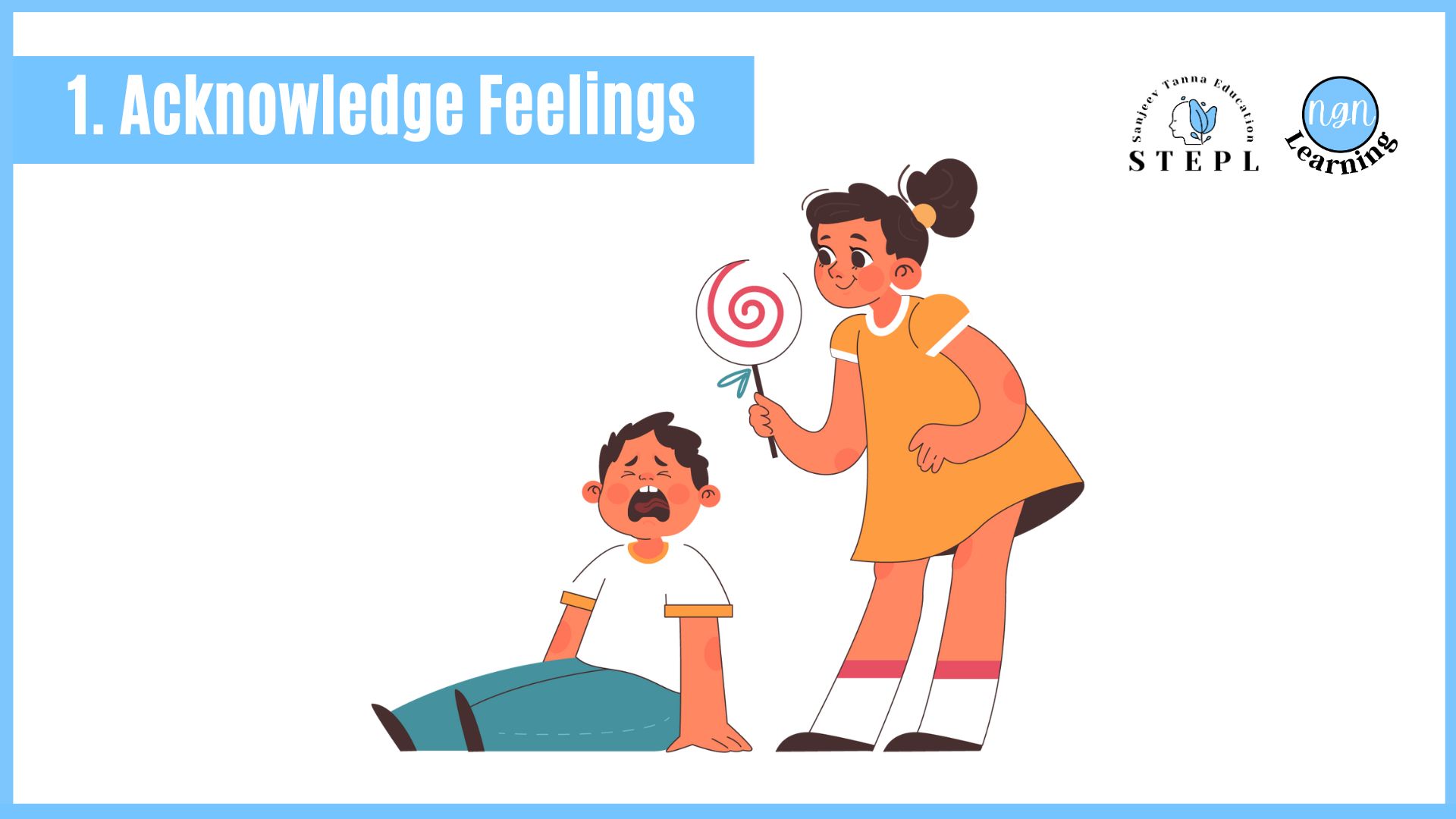
Acknowledge Feelings
Accept Big Feelings: Understand that intense emotions are normal and acceptable.
Empathise: Recognize that the child’s problem feels significant to them, even if it seems minor to you.
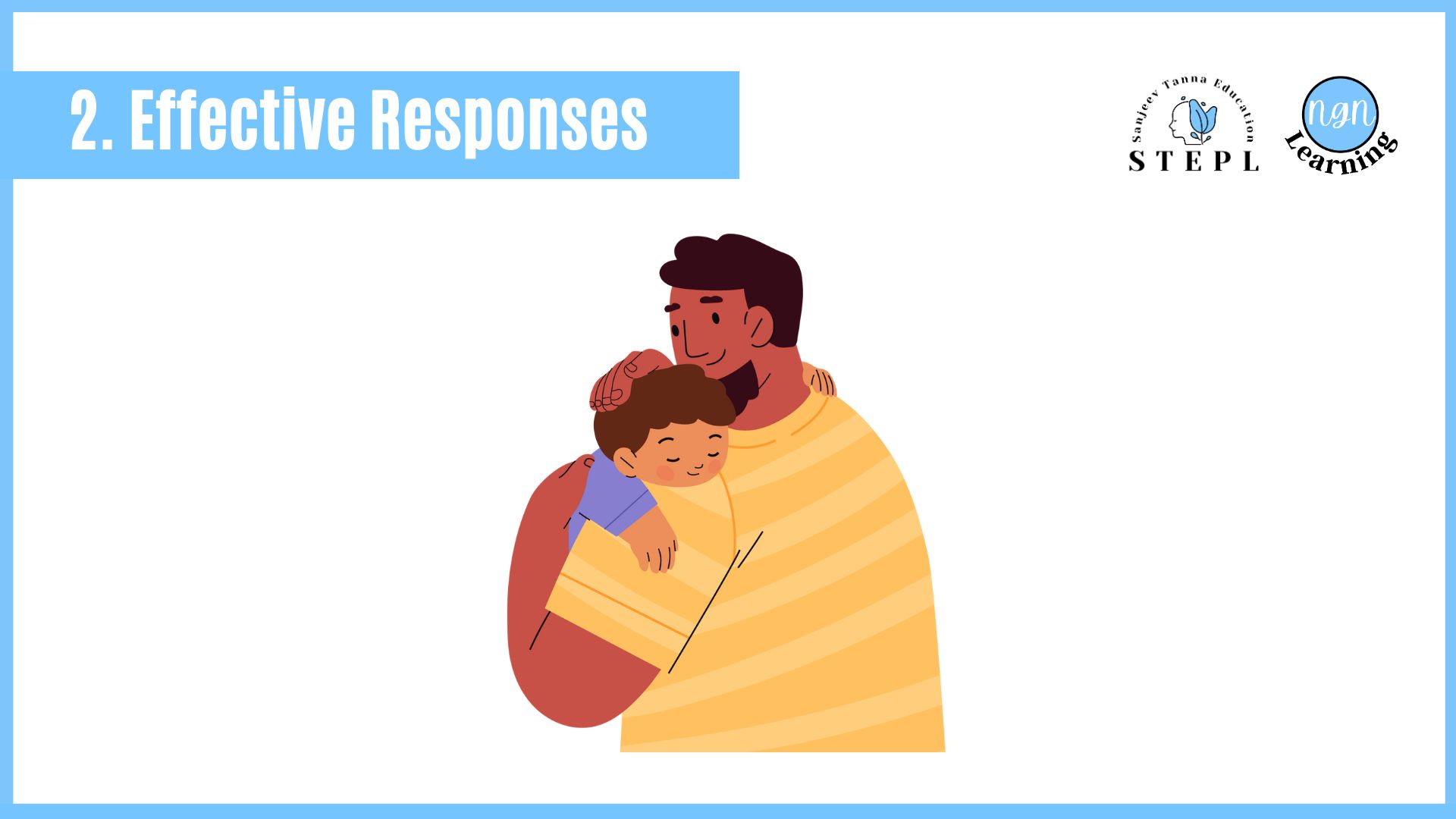
Effective Responses
Avoid Punishment: Do not punish or minimise the child’s feelings.
Implement Comforting Strategies: Use techniques like creating a calm-down spot and focusing on “time-in” with the child rather than isolating them with a “time-out”.
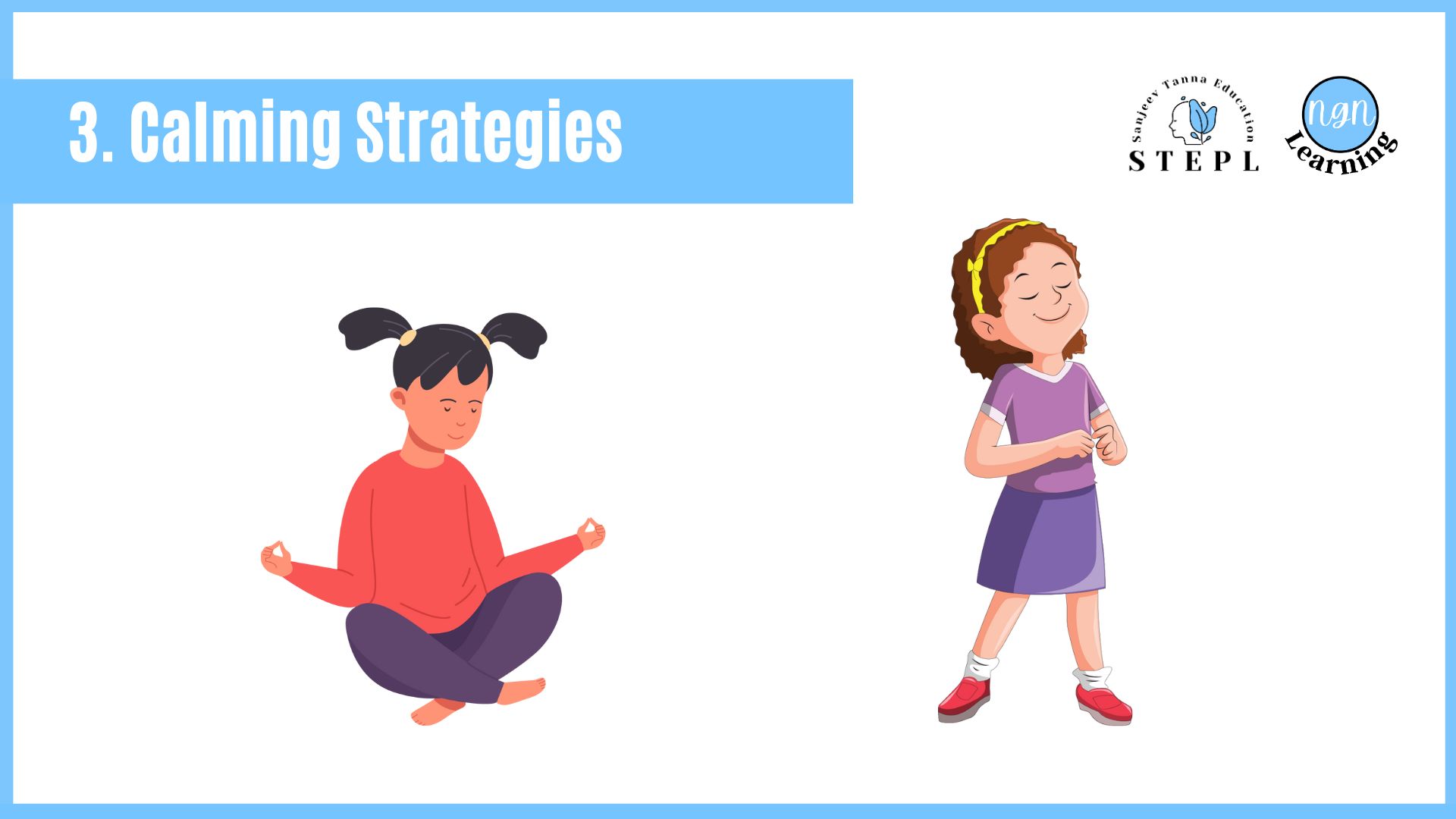
Calming Strategies
Model Deep Breathing: Demonstrate deep breathing to help the child calm down. Visual cues can also be helpful.
Use Sensory Techniques: Employ techniques like the 5-4-3-2-1 coping method to reconnect with sensory experiences.
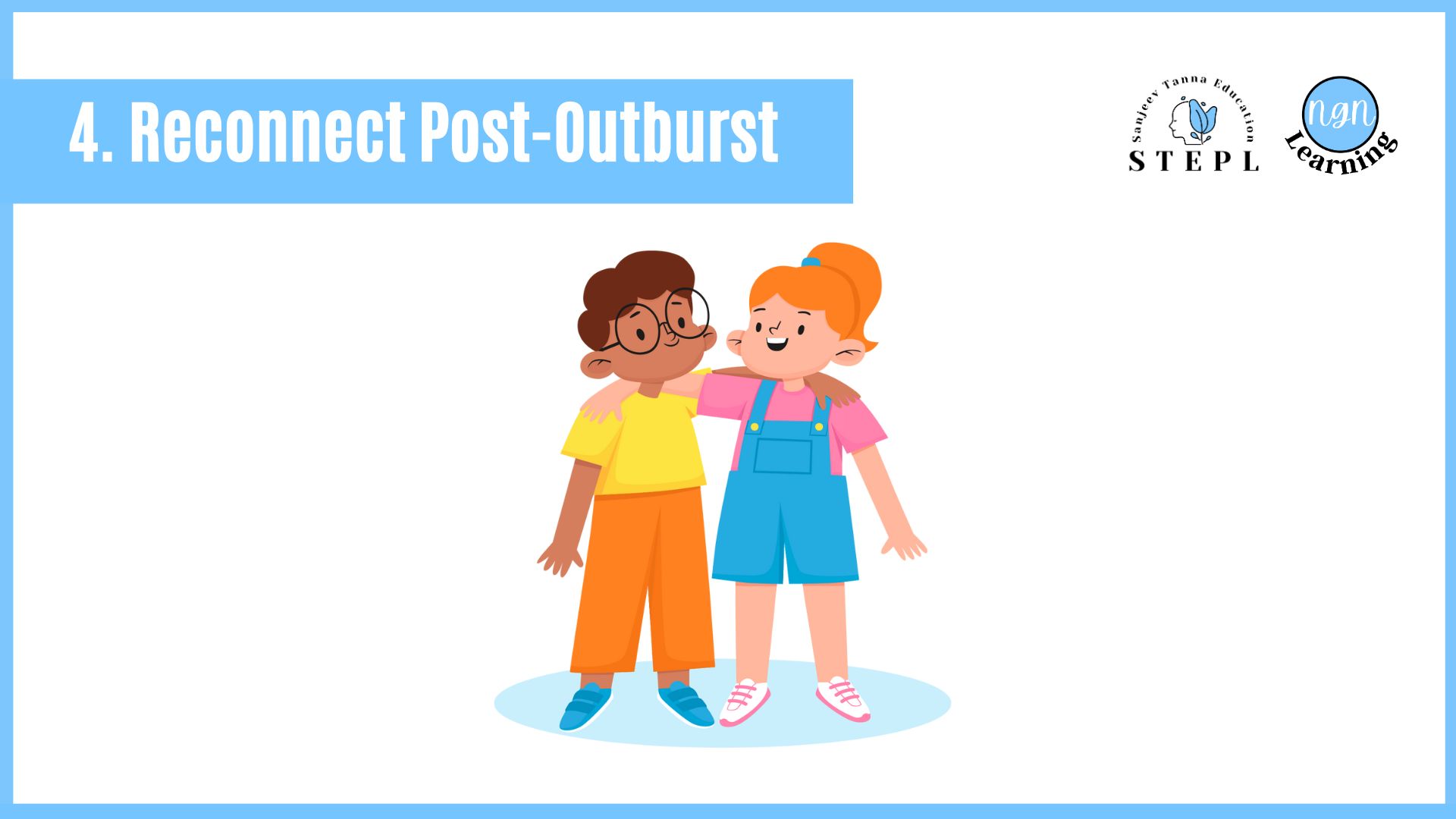
Reconnect Post-Outburst
Teach Coping Skills: Once the child is calm, remind them of coping skills without judgement.
Encourage Physical Connection: Help the child identify physical sensations associated with their emotions to better understand and manage them.
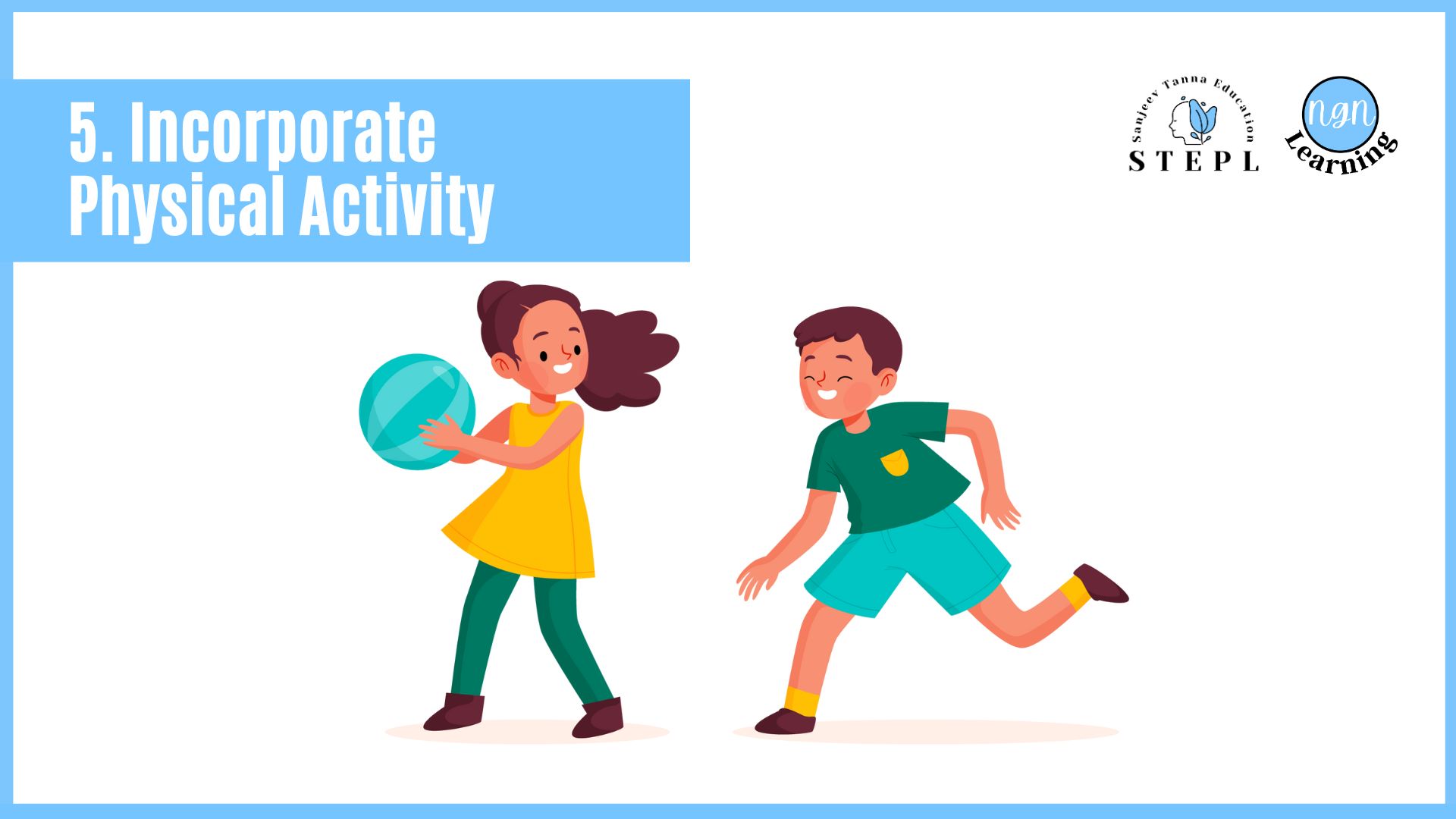
Incorporate Physical Activity
Engage in Calming Activities: Activities like physical exercise, petting a pet, taking a bath, napping, or having alone time can be beneficial. Respect the child’s preferences for alone time.
You’re Not Alone: Remember that dealing with emotional outbursts is challenging for every parent, and managing them effectively is a sign of good parenting.
While handling emotional outbursts can be demanding, it is a normal part of parenting. If you find these strategies challenging or if the emotional outbursts are frequent and severe, seeking professional support from a child psychologist or counsellor can provide additional guidance and support tailored to your child’s needs. Professional intervention can offer valuable tools and strategies to help both you and your child navigate and manage these intense emotions more effectively.