
5 Tips for Encouraging Healthy Sibling Relationships
January 27, 2026
Sibling relationships can be one of the most important bonds in a child’s life....
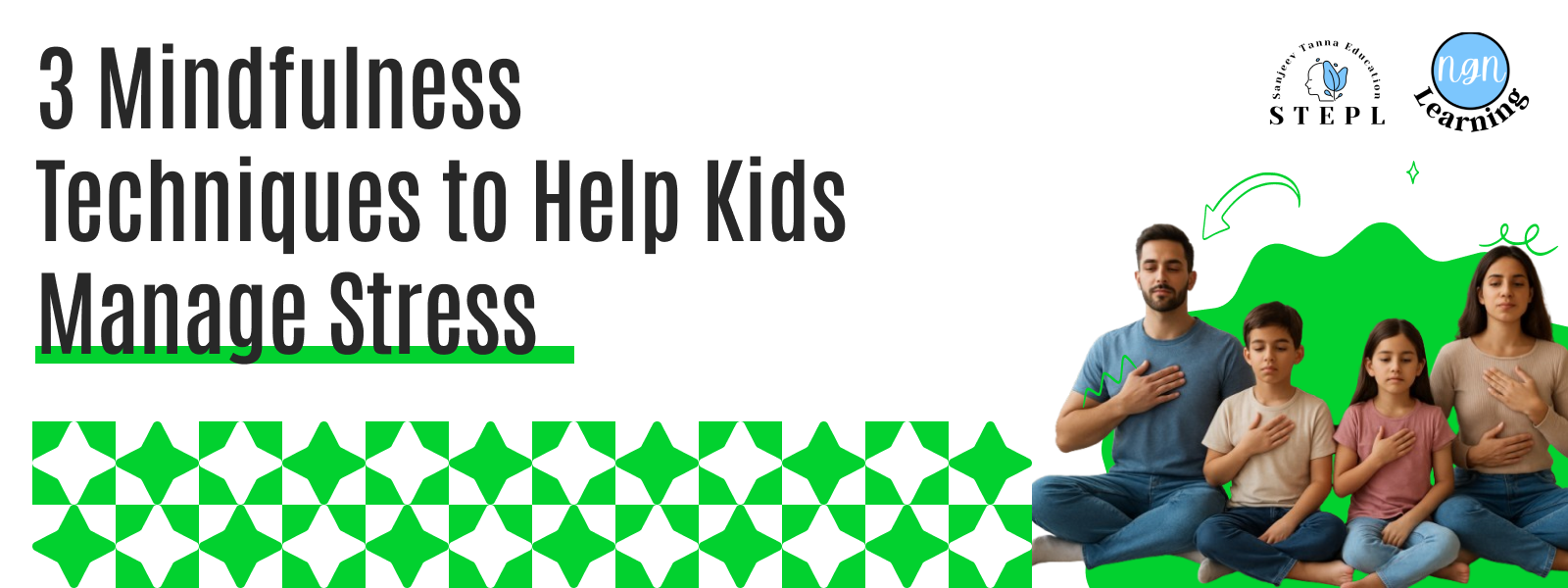
Have you noticed your child feeling overwhelmed or anxious lately? As parents, we all want our children to thrive, but sometimes stress can get in the way. What if there were simple, everyday techniques that could help ease their stress and bring a sense of calm?
According to the American Psychological Association(APA), Stress involves changes affecting nearly every system of the body, influencing how people feel and behave. Stress is the body’s natural response to challenging or demanding situations. It can manifest physically, emotionally, or mentally, causing feelings of tension, anxiety, or overwhelm.
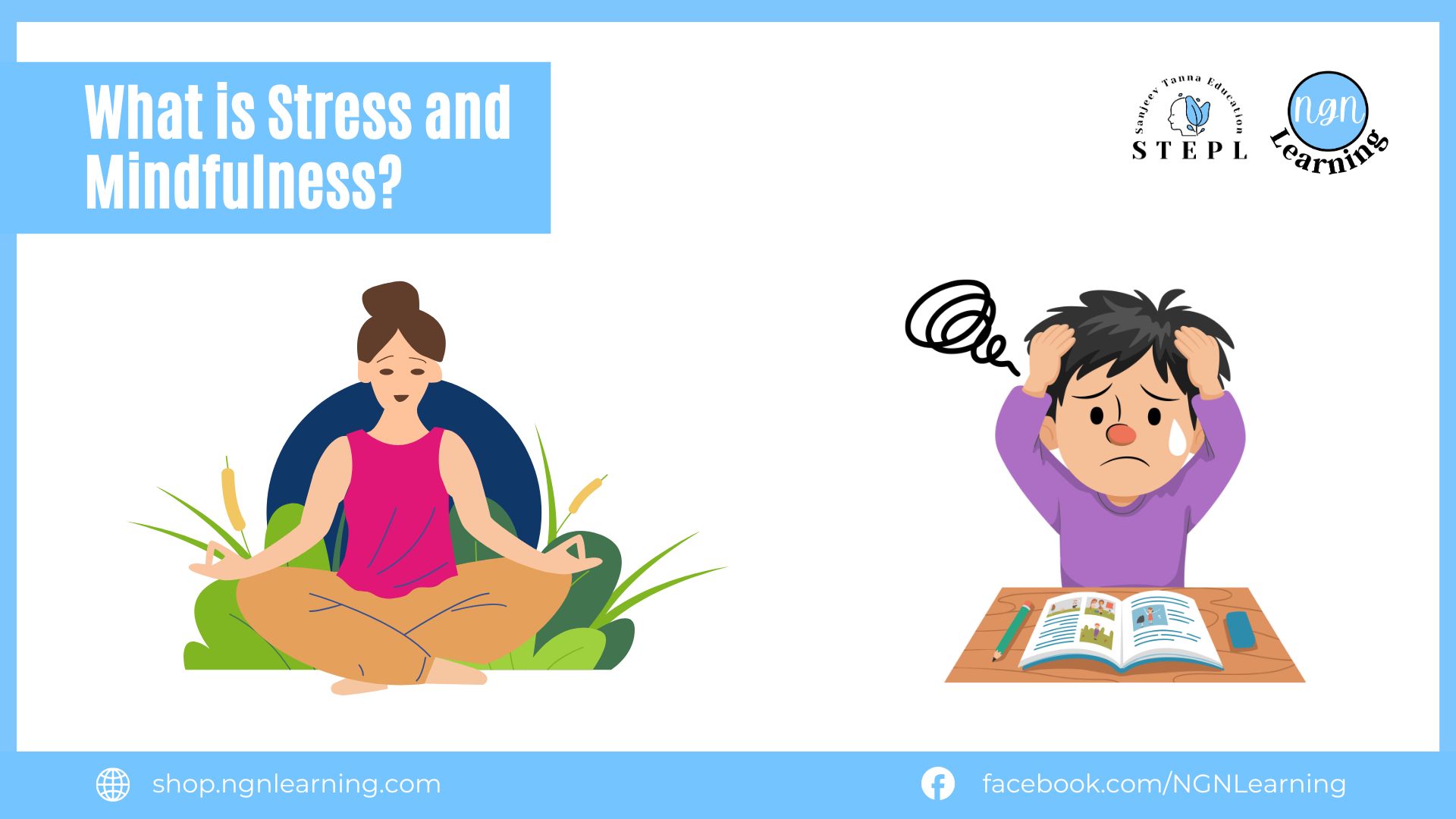
Mindfulness: Mindfulness is the practice of being fully present and engaged in the current moment, without judgement. It involves paying attention to thoughts, feelings, and sensations with an open and curious mindset.
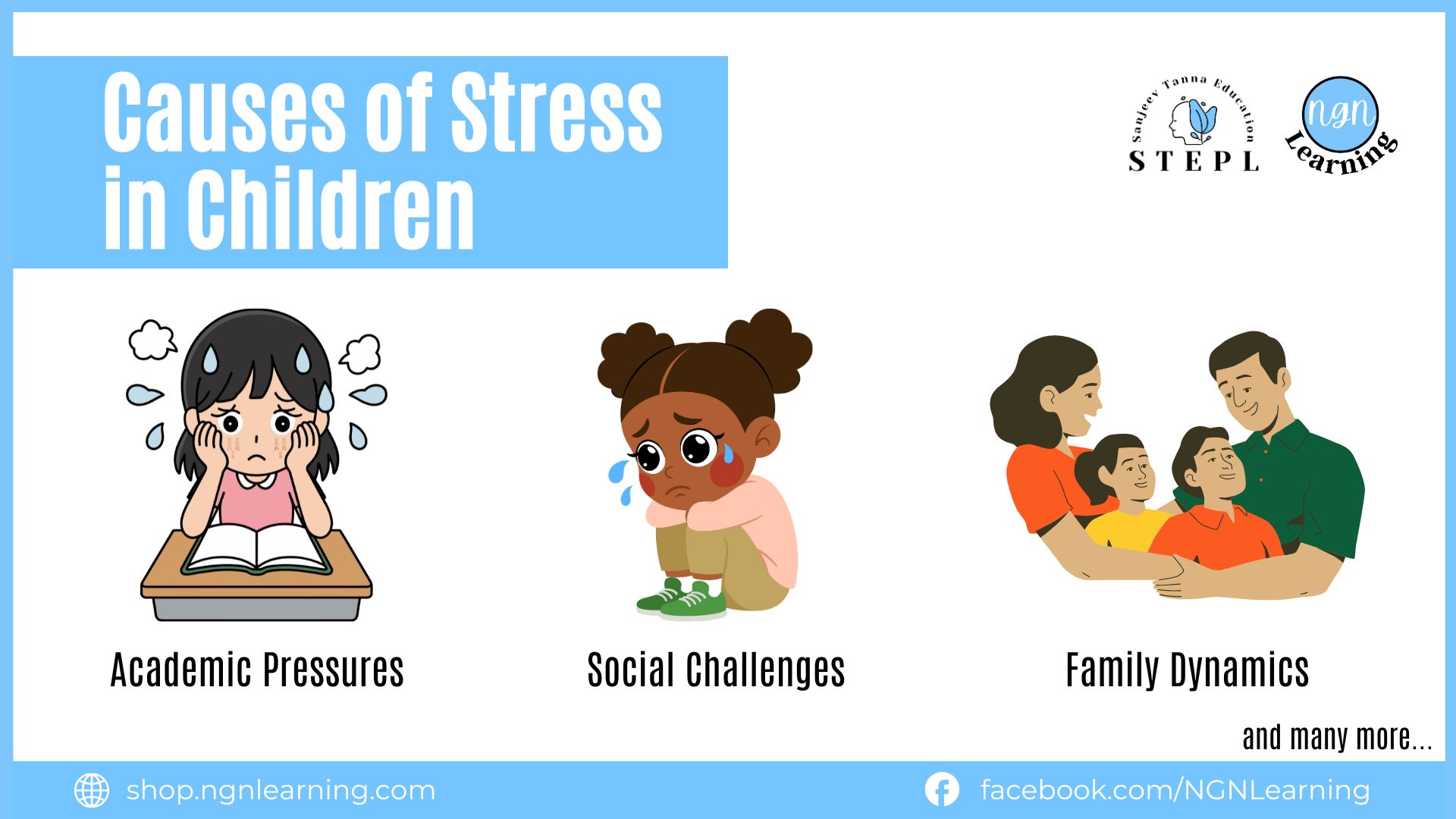
Children experience stress for various reasons, including:
Understanding the root causes of your child’s stress is the first step in helping them manage it effectively.
Recognizing the signs of stress in children can be tricky. Common indicators include:
Being aware of these signs can help you intervene early and provide the necessary support.
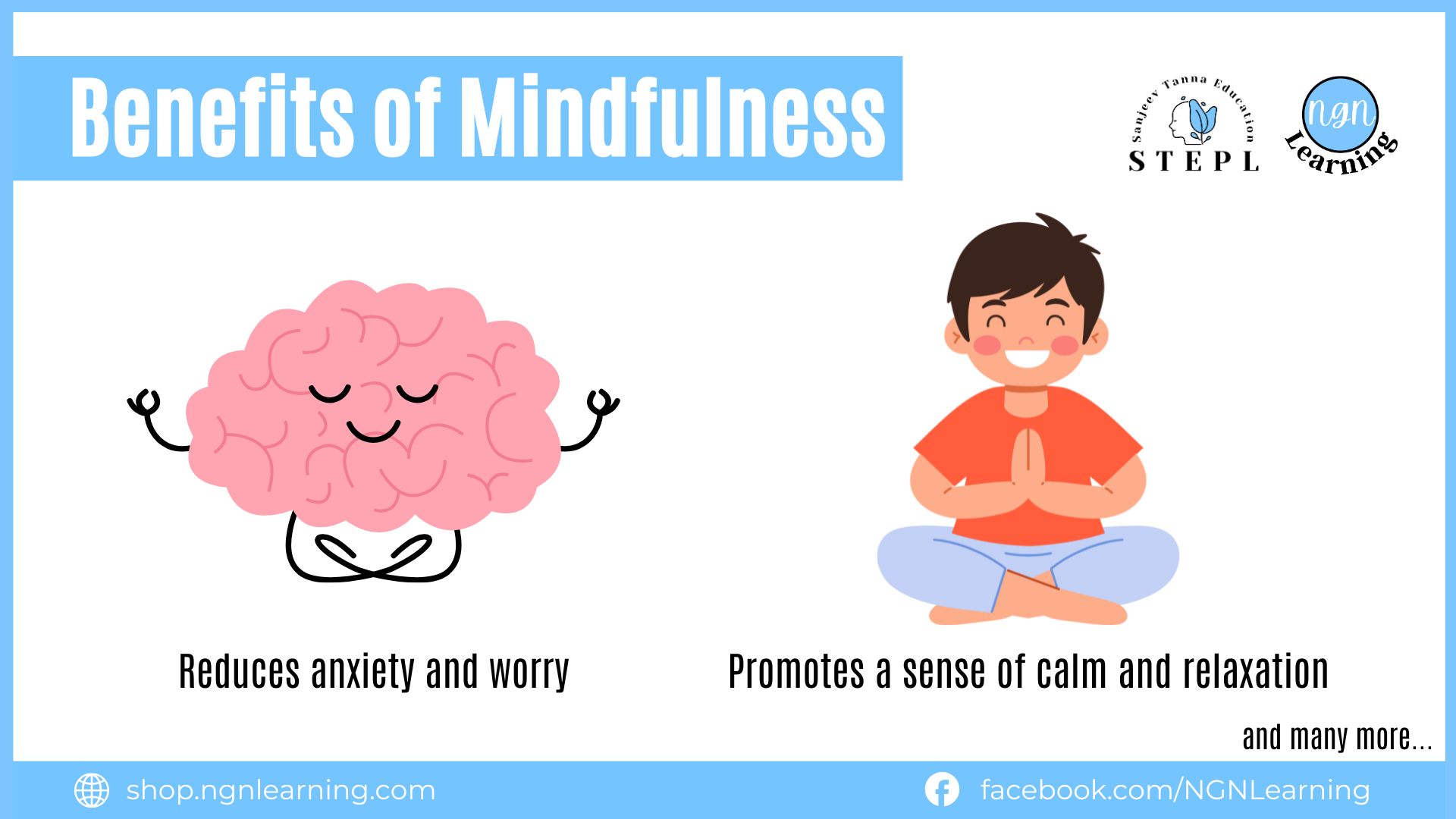
Mindfulness offers numerous benefits for children dealing with stress:
By incorporating mindfulness practices into daily routines, children can develop skills to manage their stress more effectively.
1. Play “I-Spy” Game:Engage your child in an “I-Spy” game to promote mindfulness. Ask them to find objects of different colours, shapes, or sizes in their environment. This simple activity helps them focus on the present moment and distracts them from stressors.
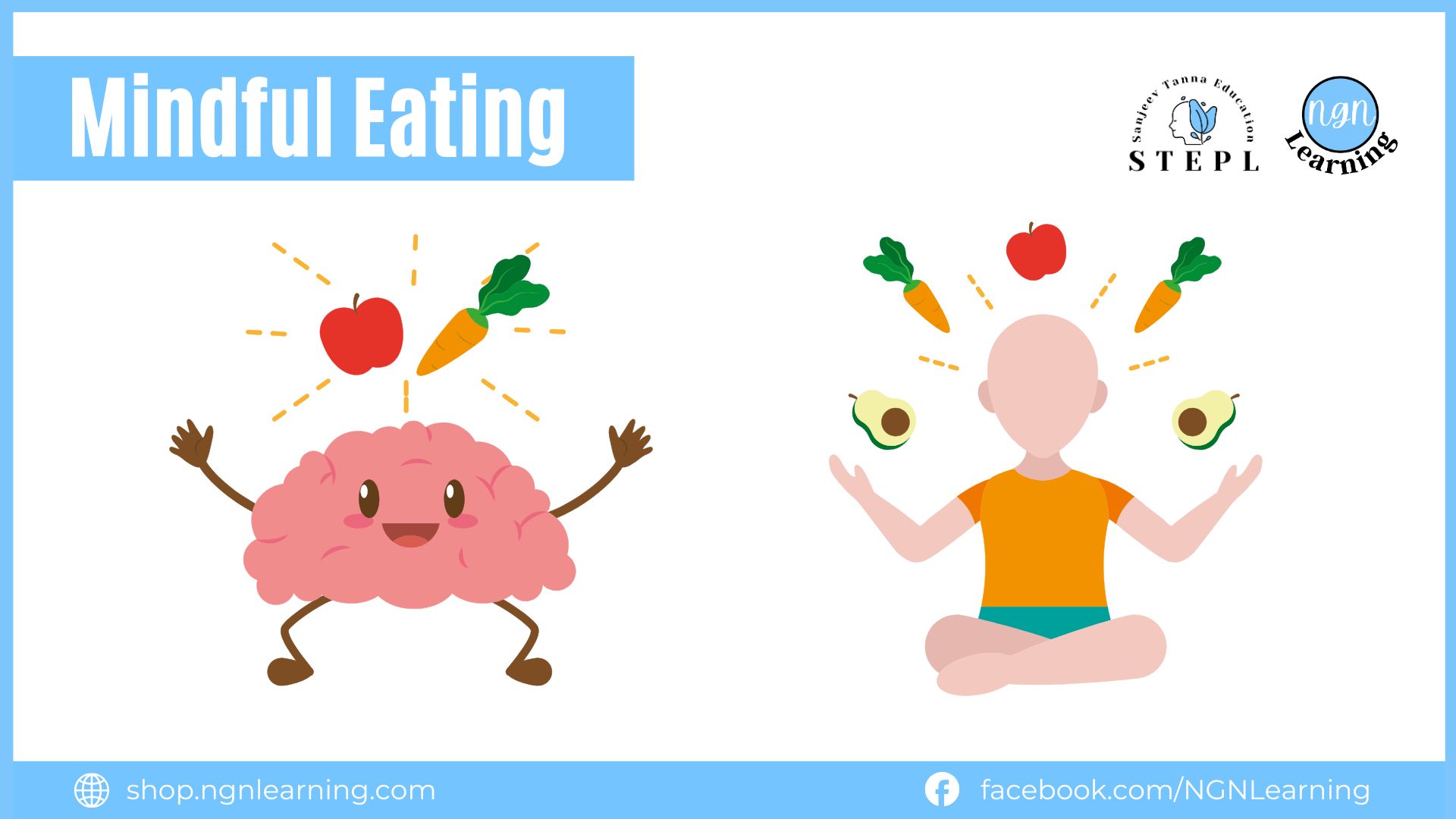
2. Mindful Eating as a Family:Turn mealtime into a mindful experience. Encourage your child to pay attention to the flavours, textures, and smells of their food. Eating slowly and mindfully can enhance their awareness and reduce stress by promoting a sense of calm and enjoyment.
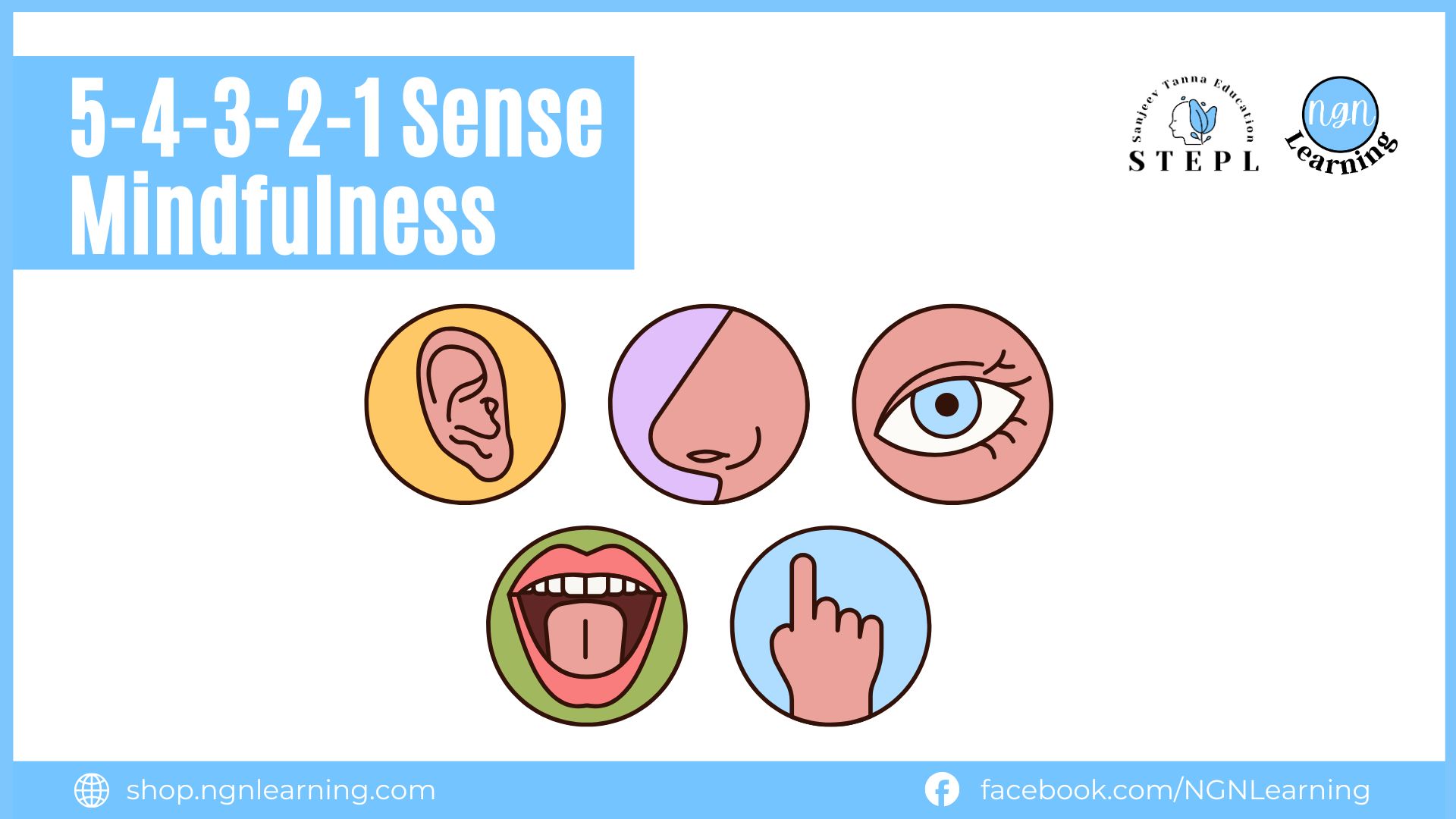
3. 5-4-3-2-1 Sense Mindfulness:Guide your child through the 5-4-3-2-1 technique to ground themselves in the present moment. Ask them to identify:
Mindfulness techniques, such as the “I-Spy” game, mindful eating, and the 5-4-3-2-1 sense mindfulness exercise, can be effective tools in managing your child’s stress. These practices promote awareness, relaxation, and emotional regulation. However, if your child’s stress persists or worsens, seeking professional support from a psychologist or counsellor is essential.
By integrating mindfulness into your family’s routine, you can help your child develop resilience and a healthier response to stress. Remember, you are not alone on this journey, and professional guidance is always available to support you and your child.
S Durgadevi
Senior Child Psychologist
Social, Emotional, Ethical, and Logical Learning (SEEL) Department -Next Generation Nation’s (NGN) Learning

January 27, 2026
Sibling relationships can be one of the most important bonds in a child’s life....
June 27, 2024
Raising Emotionally Intelligent Kids: Simple Tips for Everyday Parenting Are you equipping your child with...

July 2, 2024
Digital Detox: Tips for Reducing Screen Time Without the Drama using Next Generation’s Nation Learning...