Building Emotionally Intelligent Kids: A Parent’s Guide to Mental Wellness | NGN Learning

Building Emotionally Intelligent Kids: A Parent’s Guide to Mental Wellness

July 1, 2025

Building Emotionally Intelligent Kids: A Parent’s Guide to Mental Wellness

In today’s whirlwind world, kids in India are juggling academic and social pressures like circus performers! While brains and grades often steal the spotlight, let’s not forget the superhero power of Emotional Intelligence (EI) – it’s the secret sauce for a happy, healthy mind! Nurturing emotionally savvy kids means they’ll bounce back from setbacks, navigate friendships like pros, and tackle stress like a boss.

So, what’s this Emotional Intelligence all about?
Well, it’s all about spotting, understanding, and managing those difficult feelings while also tuning in to others’ emotions. It’s the ultimate recipe for empathy and building rock-solid relationships!

Why Emotional Intelligence is Key for Kids’ Mental Health?
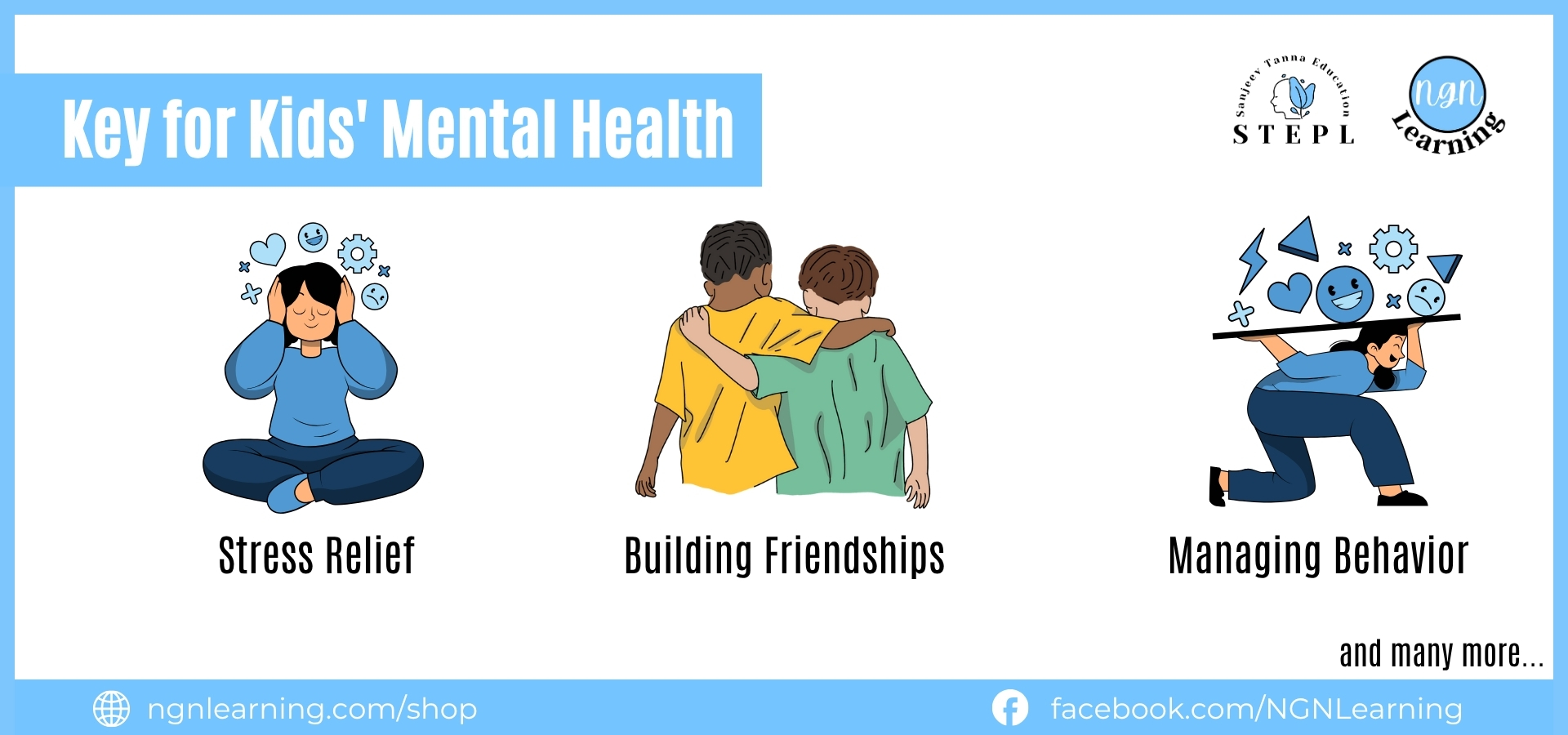
Emotional intelligence (EI) is a game-changer for children’s mental health! Here’s why it’s so important:

  • Stress Relief – Kids face a lot of pressures—schoolwork, friendships, and family issues. With emotional intelligence, they gain tools to manage stress and anxiety, helping them stay calm and centered.
  • Building Friendships – Children with strong EI are great at socializing! They communicate effectively, resolve conflicts, and form strong friendships, which helps reduce feelings of loneliness and boosts their emotional well-being.
  • Boosting Confidence – When kids learn to understand their emotions, they gain a sense of control over their lives. This understanding enhances their self-esteem and confidence, making it easier to tackle challenges.
  • Managing Behavior – Emotional ups and downs can lead to outbursts. However, with EI skills like impulse control and empathy, kids can maintain their composure and navigate social situations more smoothly.
  • Preparing for Success – Emotional intelligence is crucial for future achievements! It helps kids develop leadership qualities, adaptability, and resilience, equipping them for the challenges of adulthood.

Ways to Boost Emotional Intelligence in Kids :
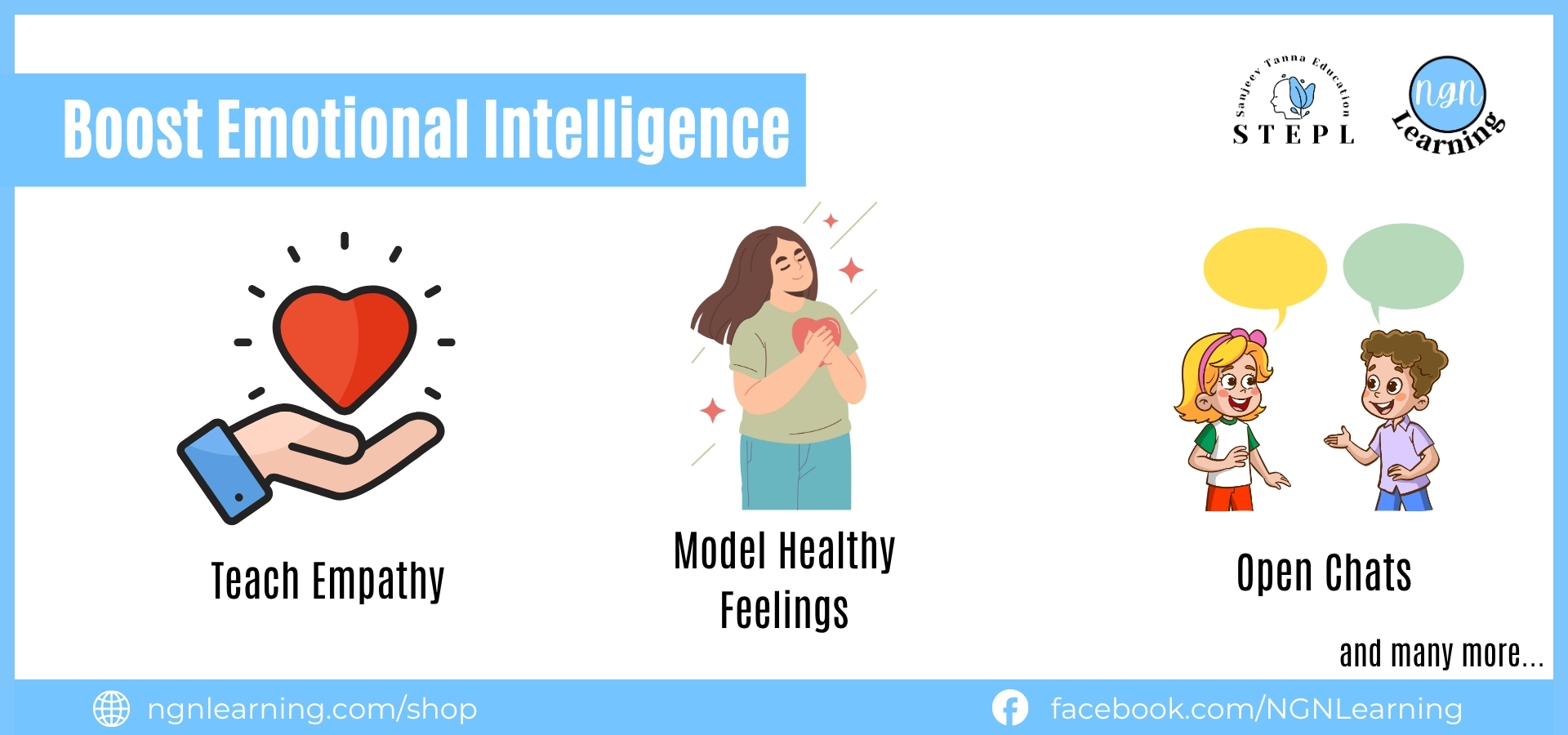
  1. Encourage Open Chats – Create a “Cozy Corner” where kids can spill their feelings; it can be a “Calming Chair”—no judgment zone, processing emotions, sitting with their feelings and coming out when feeling calmed. 
  2. Teach Empathy – Help kids wear their Empathy Hats! Use storytelling and role-playing to get them to walk in someone else’s shoes, understanding others perspective and feelings (or at least their imaginary sandals).
  3. Help Kids Name Those Feels – Turn “I’m mad!” into a colorful emotion palette! Teach them to express and identify their emotions whether they’re feeling frustrated, disappointed, or just plain irked.
  4. Model Healthy Feelings –  Kids are like little sponges soaking up everything! Show them how to keep cool as a cucumber when feeling annoyed or angry and sprinkle in some positive vibes.
  5. Teach Problem-Solving Superpowers – When challenges pop up, guide them to brainstorm solutions instead of going all Hulk-mode. Step-by-step is the way to go!
  6. Encourage Mindfulness Magic – “Breathe in, breathe out” Introduce fun breathing exercises, yoga, and mindfulness games to help kids chill out and keep stress at bay.

Growing emotional smarts in kids is like nurturing a delicate plant – it takes time and a lot of patience. While this blog is just the tip of the iceberg, diving into these strategies is a solid leap forward! If your little one is wrestling with feelings or mental health hiccups, don’t hesitate to grab a professional’s help for that extra boost.
Share this post

Related Posts