3 Social Skills That Help Children Build Strong and Positive Peer Relationships
June 4, 2025
3 Social Skills That Help Children Build Strong and Positive Peer Relationships How Can You...
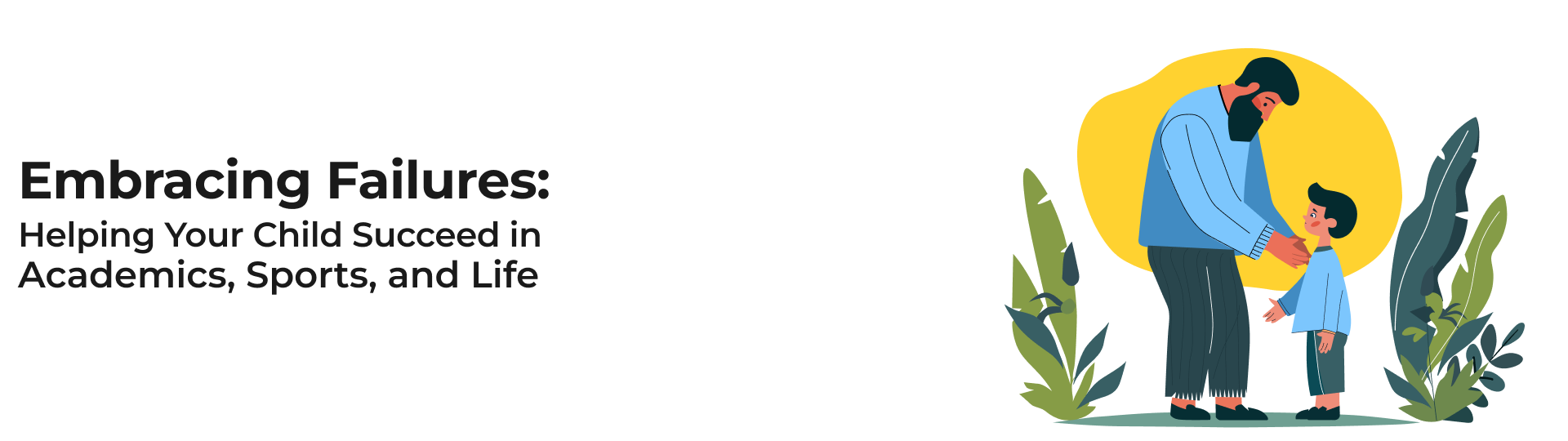
Dealing with failures and setbacks is a crucial skill for children to develop. Mr Tanna, an NRI entrepreneur from the USA and our company’s CEO shared a powerful story about his son, who attends a private school where scoring below 75% requires parental signatures on test papers. His son, frustrated and embarrassed by his math scores, once lied about receiving an 80 when he had scored 69. When asked why he lied, his son admitted, “Dad, I don’t want you to see me as a failure, especially since you and Mom have achieved so much. I feel embarrassed. I don’t like failures.”
Moved by his son’s vulnerability, Mr. Tanna decided to take a different approach. He took his son to his favourite place, and said, “Son, let’s celebrate this temporary setback in math. It is not a failure; it’s just a temporary setback that’s easy to recover from.” Surprised by his father’s reaction, his son promised to work harder.
However, Mr Tanna’s wife was not pleased with this strategy of rewarding their son despite his below-average grades. Throughout the year, Mr. Tanna continued to treat his son to small rewards for his efforts, despite his math scores hovering around 72%. His wife eventually asked, “What was the benefit of this approach? You are celebrating his below-average math performance. You are spoiling our child.”
Mr. Tanna explained, “I believe my efforts might yield long-term benefits. I don’t want our son to make drastic decisions, like falling into depression or contemplating suicide if he doesn’t achieve his expectations like good grades, preferred college admissions, or career goals. If he learns to gracefully accept and celebrate setbacks now, he will be resilient to many major challenges in the future. Math is not the only challenge; life itself is full of challenges that lie ahead.”
Mr. Tanna’s story is unique, insightful, and out of the box, reminding us of the importance of teaching resilience and the value of embracing setbacks as opportunities for growth.
Is this something you’ve observed in your child? Is your child failing to keep up with their peers or dwelling on their failures? If so, let’s explore this issue more deeply to understand its roots and find effective solutions.
At some point, many children develop a fear of failure. The pressure to excel or be perfect in every aspect of life can lead to anxiety, making them hesitant to try new activities. To help our children build confidence and develop a growth mindset, it’s essential to teach them to view failure as an opportunity for growth.
Let’s delve into the causes and impacts of the fear of failure in children, and how understanding these can help us address the issue more effectively.
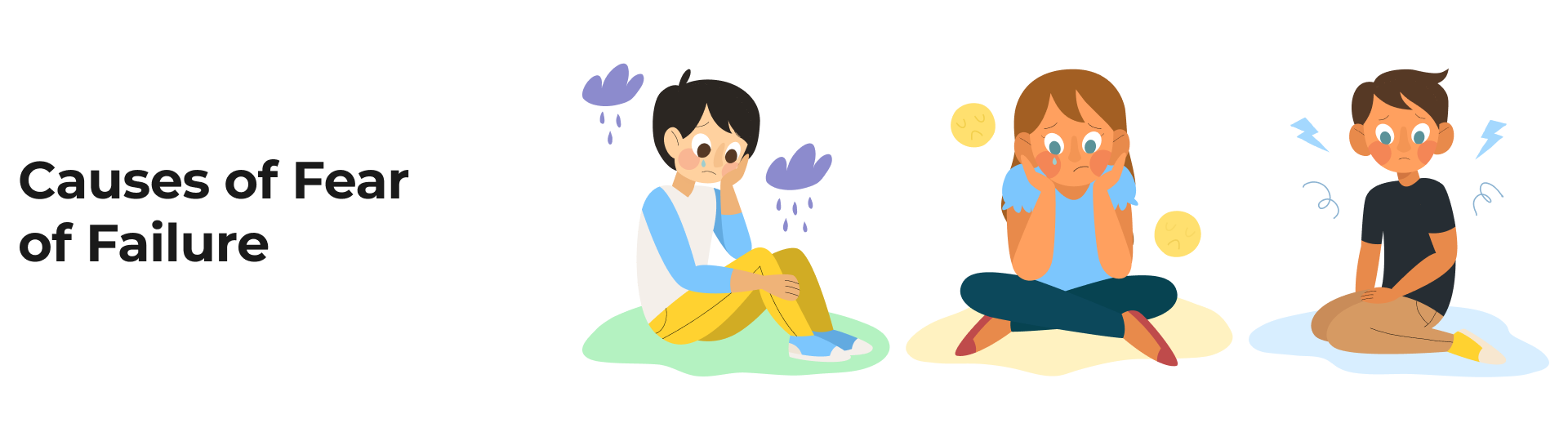
1. High Expectations: Children who face high expectations from parents, teachers, or themselves may develop a fear of failure. They might feel immense pressure to always succeed and avoid disappointing others.
2. Perfectionism: Perfectionist tendencies can lead to an intense fear of making mistakes. Children who strive for perfection often see anything less as a failure, which can be paralysing.
3. Previous Negative Experiences: Past failures or negative feedback can make children wary of trying new things. If they’ve experienced harsh criticism or embarrassment, they may become more reluctant to take risks.
4. Comparison with Peers: Constantly comparing themselves to peers can create a fear of not measuring up. This comparison can come from social media, school environments, or even family dynamics.
5. Lack of Resilience Skills: Children who haven’t developed coping mechanisms and resilience skills may struggle more with the idea of failure. They might not know how to bounce back from setbacks, leading to increased anxiety.
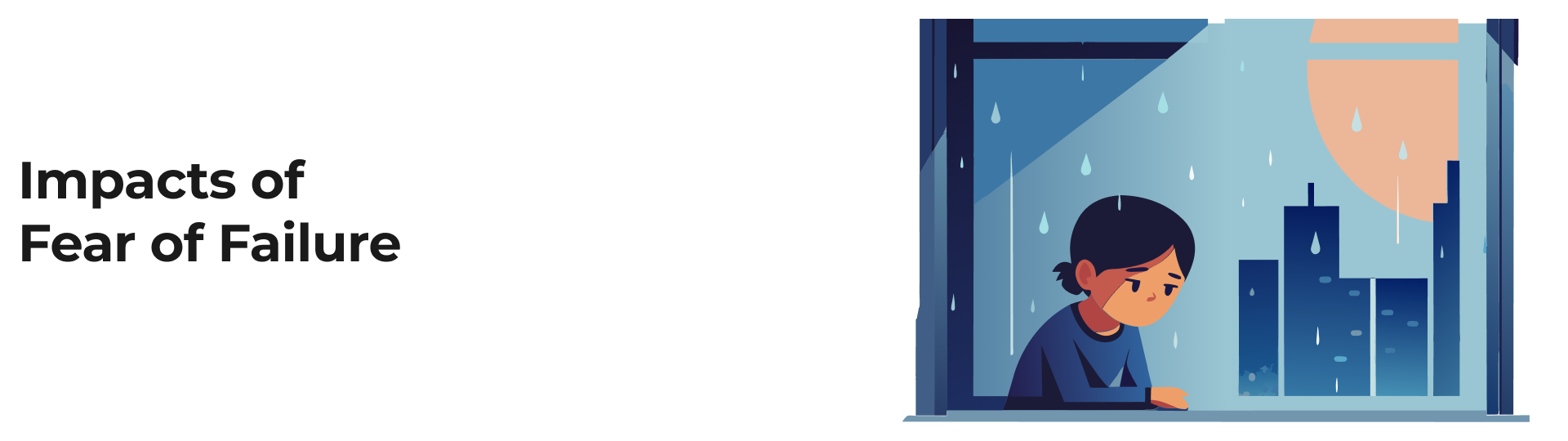
1. Avoidance of Challenges: Children with a fear of failure might avoid new activities, challenges, or opportunities. This avoidance can limit their experiences and hinder personal growth.
2. Low Self-Esteem: Persistent fear of failure can erode a child’s self-esteem. They might begin to doubt their abilities and feel inadequate, which can affect their overall sense of self-worth.
3. Increased Anxiety and Stress: The fear of failing can lead to significant anxiety and stress. This can manifest in physical symptoms like headaches or stomachaches and affect their mental health.
4. Decreased Motivation: The fear of failure can decrease a child’s motivation to try. If they believe they are likely to fail, they may not see the point in putting in the effort.
5. Impact on Academic and Social Life: This fear can impact both academic performance and social interactions. Children may underperform in school or shy away from social situations where they fear judgment or failure.
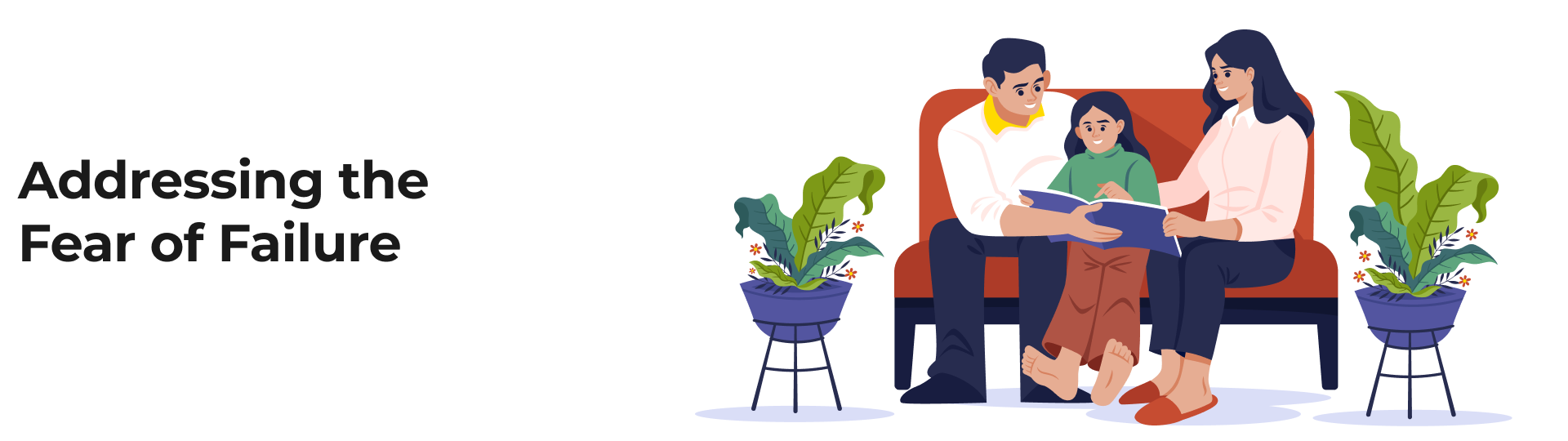
1. Normalise Failure
2. Shift the Perspective on Failure
4. Set Realistic Expectations
6. Encourage Independence
8. Praise Efforts, Not Qualities
Instead of: “You’re so smart.” Say: “You did a great job studying for that test.”
Instead of: “You’re a great dancer.” Say: “You practised those moves well and tried your best on stage.”

1. “You’re such a good reader.” OR “You worked hard to sound out those difficult words.”
Better Statement: “You worked hard to sound out those difficult words.”
2. “You’re so brave.” OR “You faced that challenge head-on and didn’t give up, even when it was tough.”
Better Statement: “You faced that challenge head-on and didn’t give up, even when it was tough.”
3. “You’re so responsible.” OR “You did a great job taking care of your chores today without being reminded.”
Better Statement: “You did a great job taking care of your chores today without being reminded.”
By implementing these strategies, parents can help their children develop a healthier attitude towards failure, ultimately empowering them to take on challenges with confidence and resilience. I hope through these tips, your child will feel empowered and confident enough to embrace the process of making mistakes and learning from them.
If these strategies don’t seem to be helping, it might be time to consider if the fear of failure is connected to deeper issues that could benefit from professional support.
Remember, as a parent, you have the power to guide your child through their emotions, but seeking help from a counsellor or therapist can provide additional support when needed.

June 4, 2025
3 Social Skills That Help Children Build Strong and Positive Peer Relationships How Can You...
July 6, 2024
Top 7 Anger Management Techniques for Children Children’s anger is like a summer storm—intense but...

July 1, 2025
Building Emotionally Intelligent Kids: A Parent’s Guide to Mental Wellness In today’s whirlwind world, kids...