
Unlock Your Potential: Top 3 Strategies to Enhance Student Motivation
October 25, 2024
Unlock Your Potential: Top 3 Strategies to Enhance Student Motivation Motivation is a crucial element...
From birth, children start forming attachments to attention. As they grow, they may exhibit attention-seeking behaviours similar to those they showed as infants. These behaviours, such as seeking approval or wanting to be the centre of attention, can be frustrating for both parents and children.
Children often seek attention to communicate their needs and emotions. Understanding the underlying causes and impacts of this behaviour is crucial for parents to effectively redirect it positively. Here, we’ll explore common causes, and potential impacts, and provide strategies along with case examples to help you navigate attention-seeking behaviours in your child.
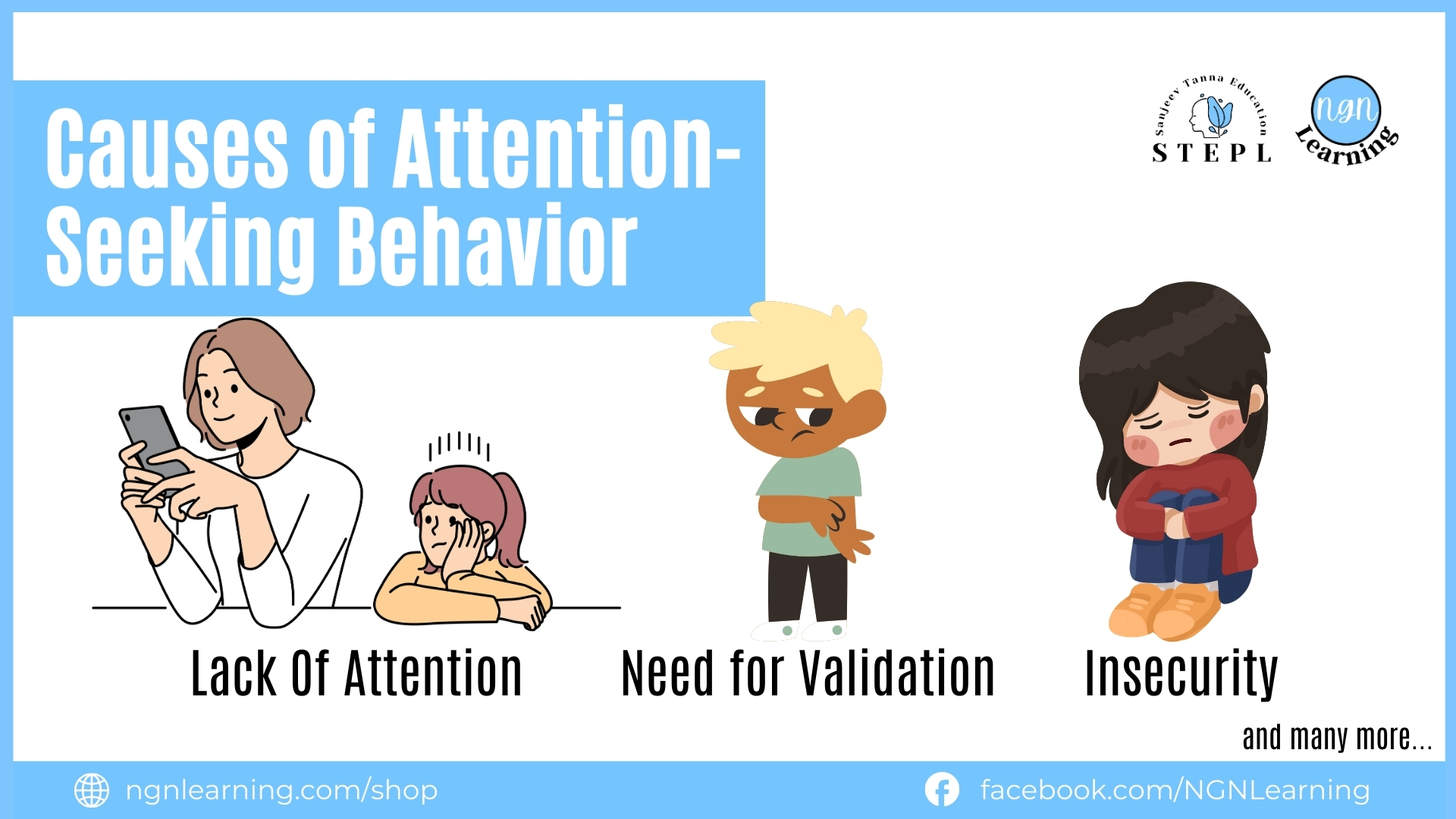
Psychologists John Bowlby and Mary Ainsworth discovered that babies form attachment styles with their parents or caregivers from birth. When a child’s emotional needs are consistently met early on, they often develop secure attachments and show fewer attention-seeking behaviours as they grow older. On the other hand, children whose emotional needs are unmet during infancy are more likely to engage in more dramatic behaviours.
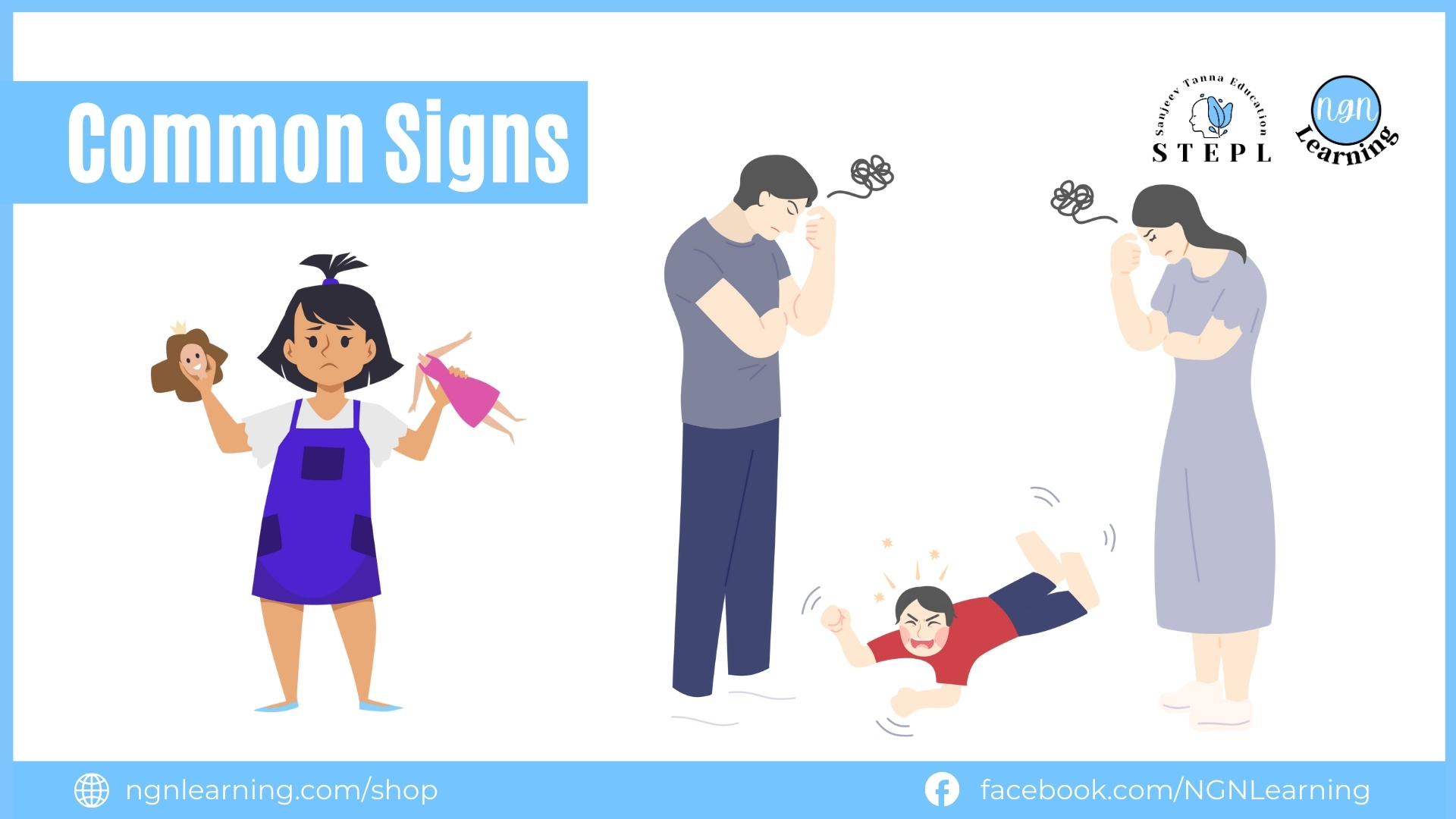
Common Signs of Attention-Seeking Behavior
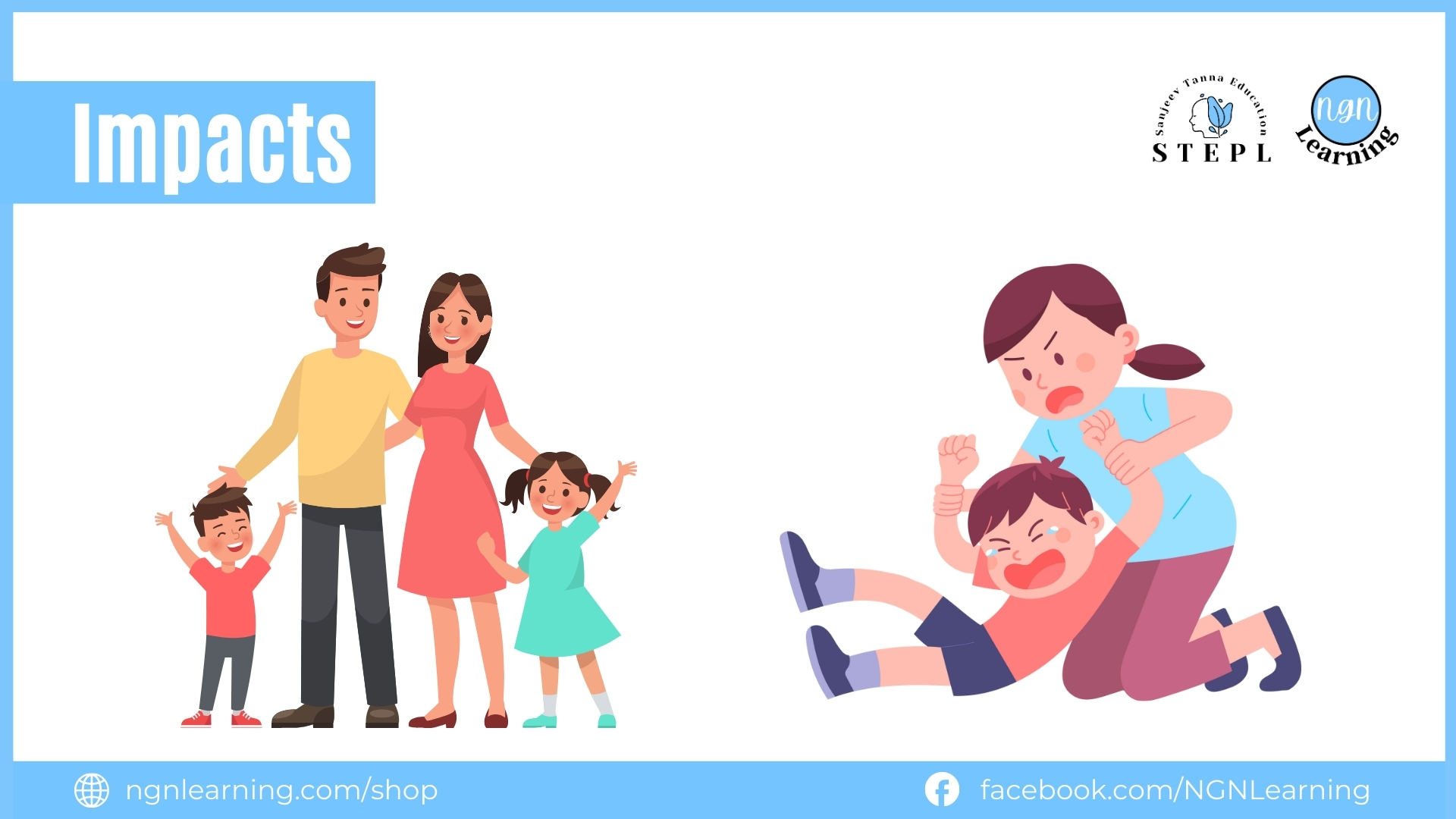
Impacts of Attention-Seeking Behavior
If these behaviours sound familiar, you’re not alone. Many parents encounter these challenges as children navigate their emotional and social development. It can be frustrating and exhausting, but understanding that these actions are often a child’s way of communicating their needs or feelings is crucial. Reflect on your experiences: Have you noticed these behaviours in your child? Recognising the signs is the first step in addressing the underlying issues and helping your child develop healthier ways to seek attention.
Let’s look at a few Next Generation Nation’s (NGN) Learning strategies to help redirect your child’s attention-seeking behaviours.
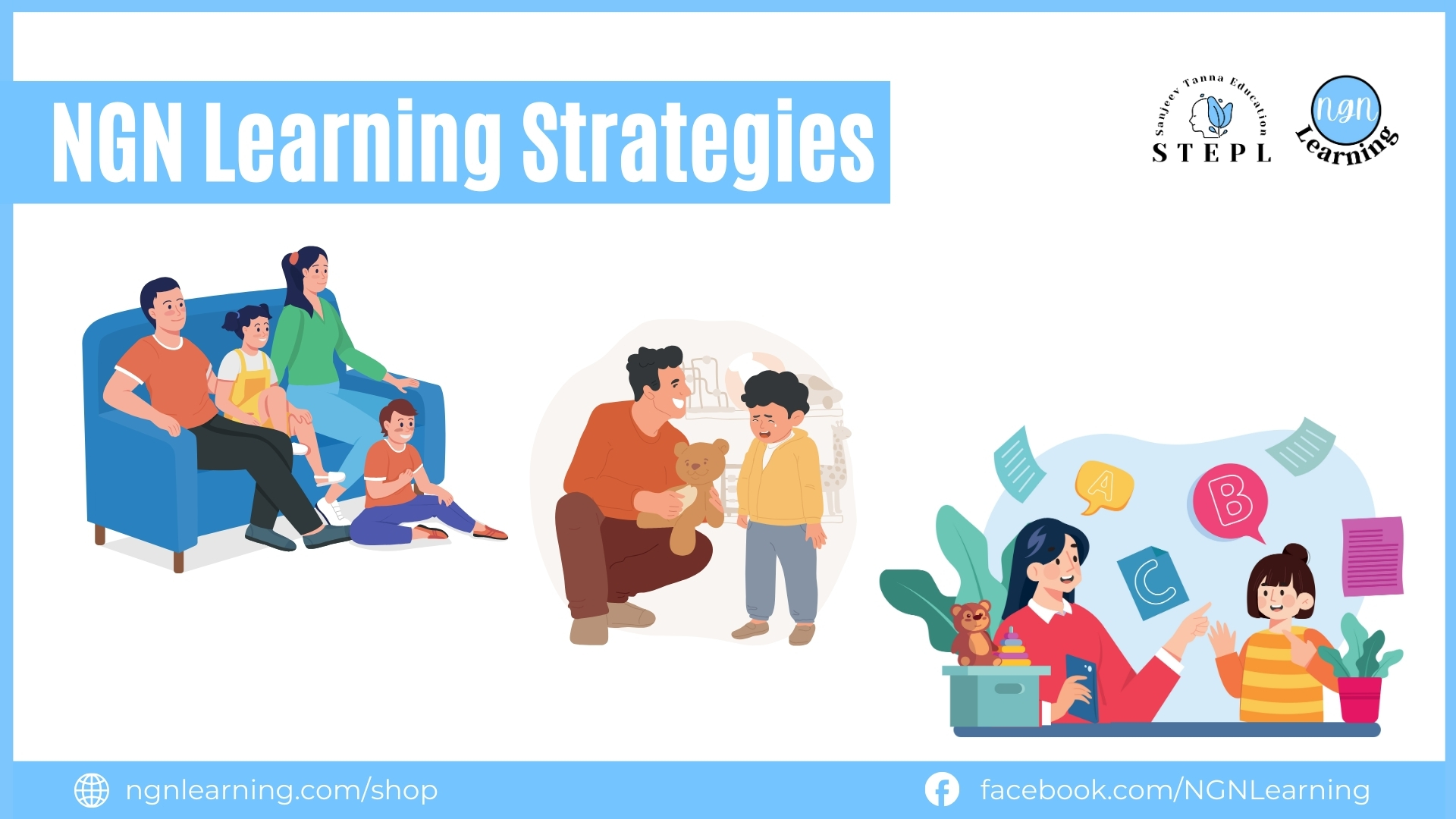
1. Positive Reinforcement of Desired Behaviors
2. Set Clear Boundaries and Expectations
3. Spend Quality Time Together
4. Teach and Encourage Communication Skills
5. Model Appropriate Behavior
Understanding and addressing attention-seeking behaviour in children requires patience and consistency. By recognising the causes and signs, and applying effective strategies, parents can guide their children toward healthier ways of seeking attention. Positive reinforcement, clear boundaries, quality time, communication skills, and modelling appropriate behaviour are key to helping children develop self-confidence and emotional resilience. Through these efforts, children can learn to seek attention in constructive ways, fostering better relationships and overall well-being.
While occasional attention-seeking behaviour is normal for children, persistent, worsening, or harmful behaviours may indicate a need for professional help.

October 25, 2024
Unlock Your Potential: Top 3 Strategies to Enhance Student Motivation Motivation is a crucial element...
November 21, 2025
Responsibility is not a burden; it is a privilege and an essential part of growing...

November 1, 2025
Empathy and compassion are crucial life skills that help children understand and share the feelings...