Cultivating Kindness: 5 Activities to Foster Empathy and Compassion in Kids
November 1, 2025
Empathy and compassion are crucial life skills that help children understand and share the feelings...
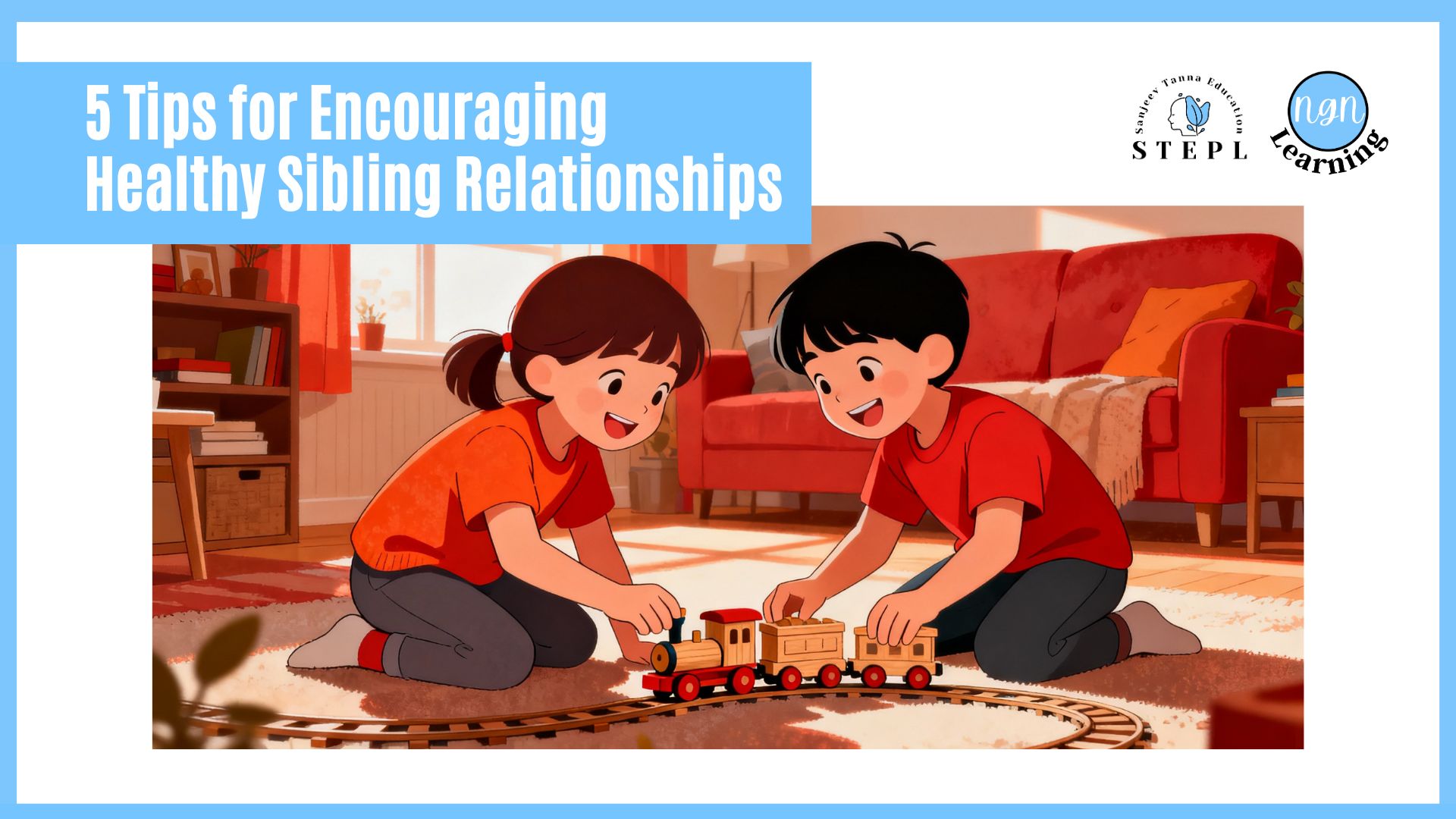
Sibling relationships can be one of the most important bonds in a child’s life. However, managing this bond isn’t always easy. From disagreements to rivalry, challenges may arise that can affect their relationship in the long run. As parents, what can you do to encourage a strong, healthy connection between your children?
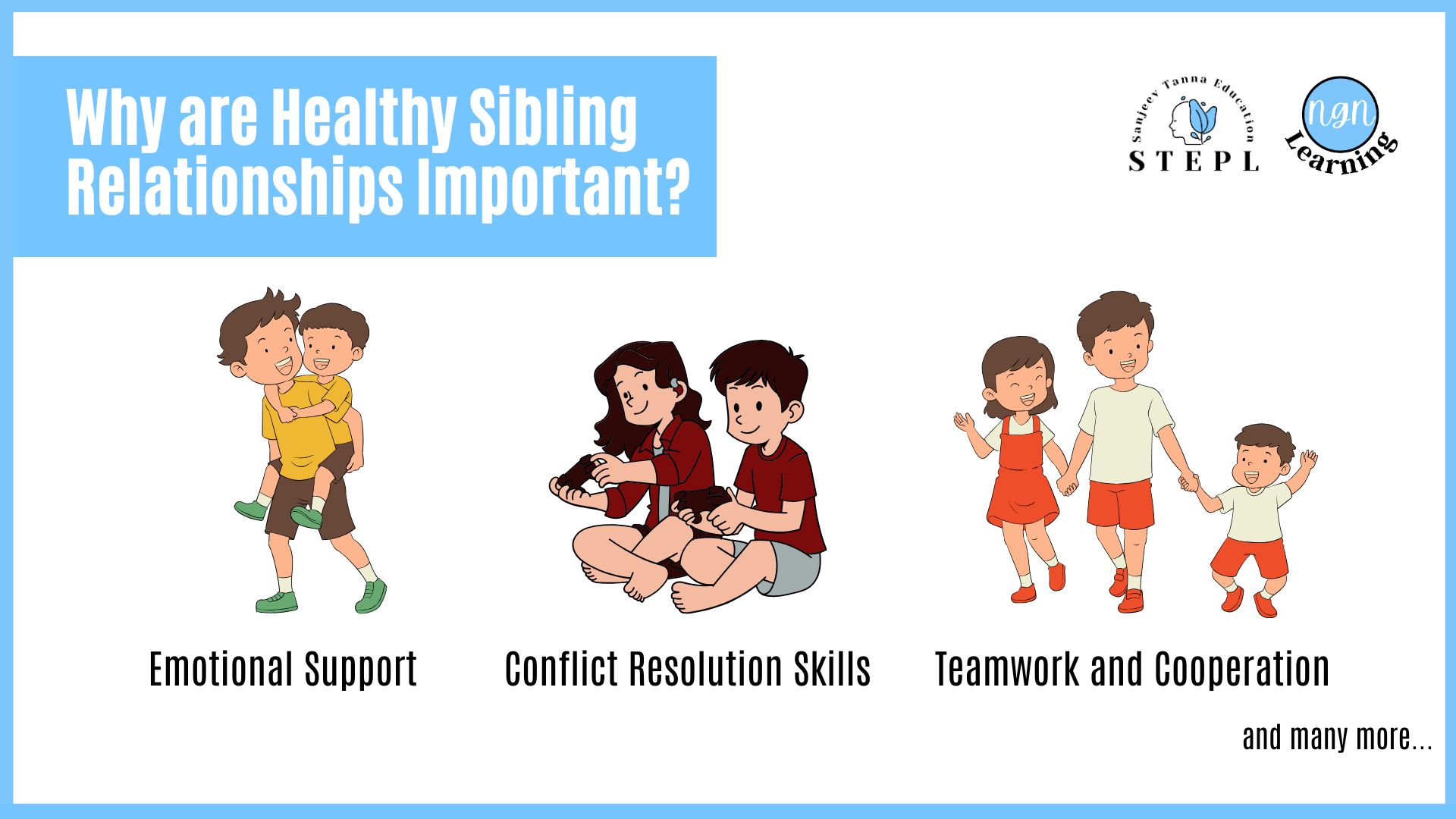
A healthy sibling relationship is built on mutual respect, love, and support. It involves cooperation, communication, and the ability to navigate disagreements constructively. Siblings in a healthy relationship can rely on each other and are more likely to share a strong bond throughout their lives.
As parents, you set the tone for how siblings interact. By modelling positive behaviours such as patience, conflict resolution, and empathy, you can guide your children toward developing a healthy relationship. Your involvement and encouragement are key to helping them build a foundation of trust and love.
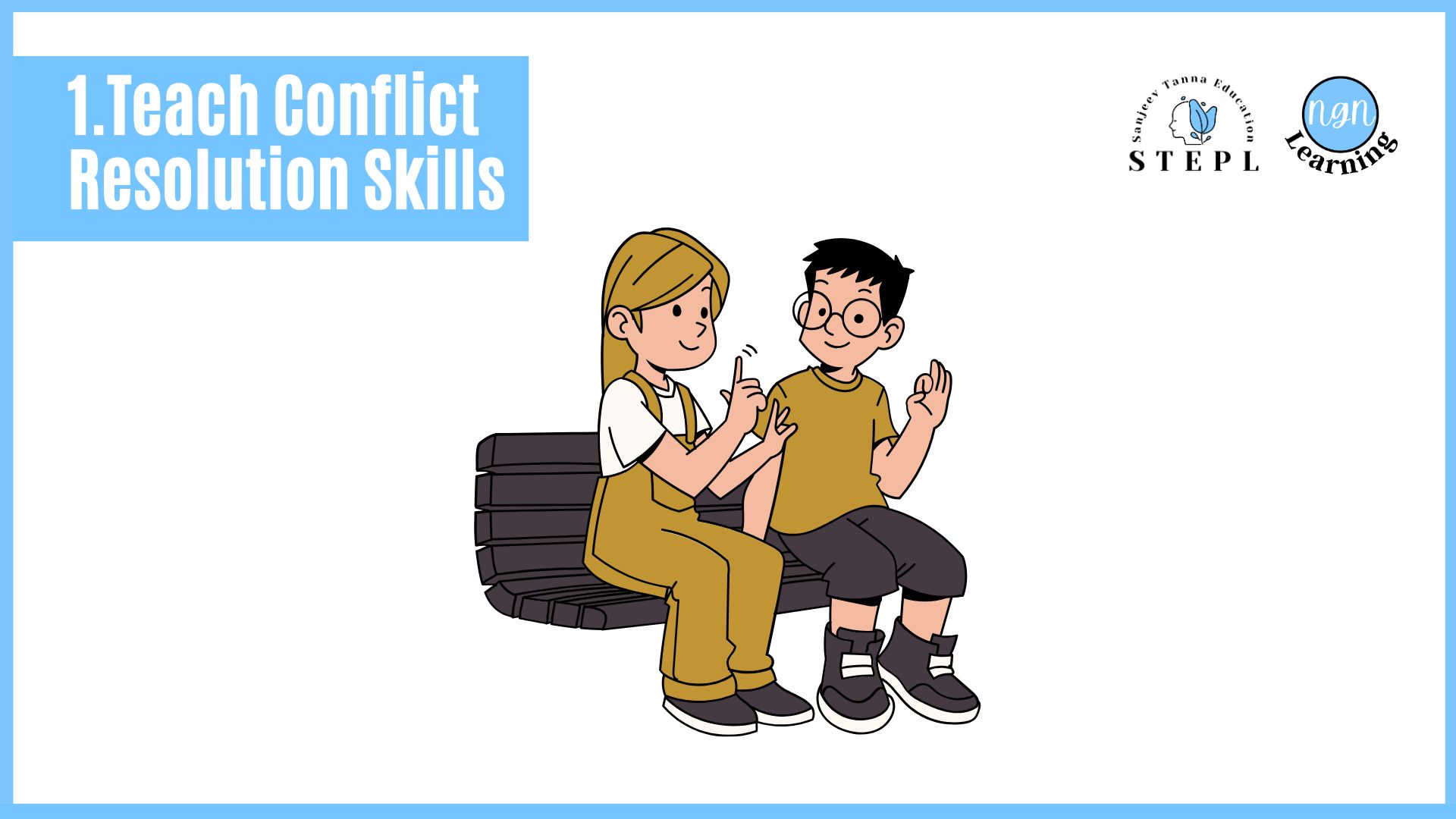
Teach Conflict Resolution Skills: Encourage your children to express their feelings respectfully when they disagree. Teach them active listening techniques and guide them in finding solutions together rather than fighting. This not only resolves the current conflict but also helps them handle future disagreements.
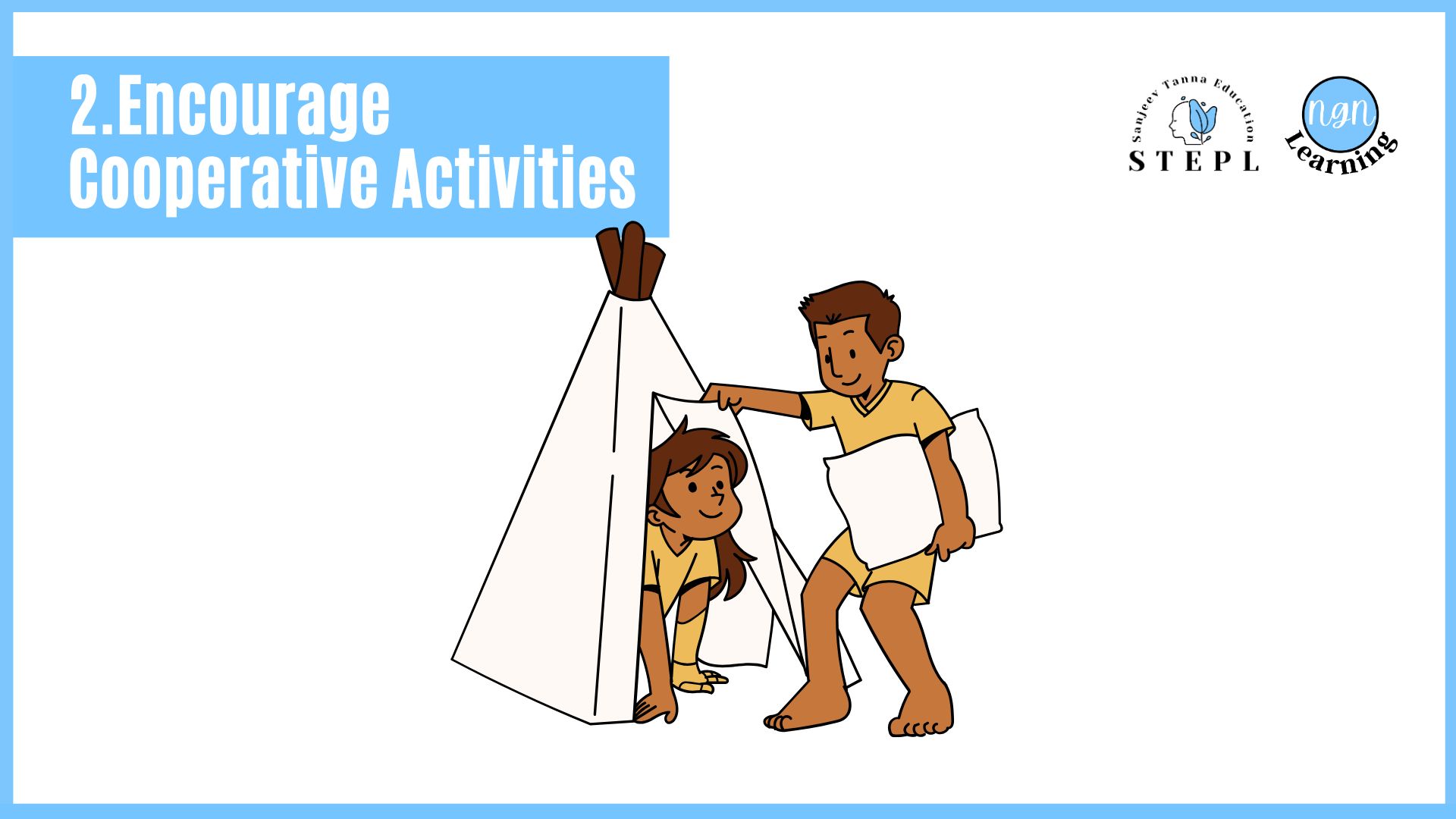
Encourage Cooperative Activities: Organise activities that require teamwork, such as games, puzzles, or household chores. By working together toward a common goal, siblings can learn to appreciate each other’s strengths and develop a sense of camaraderie.
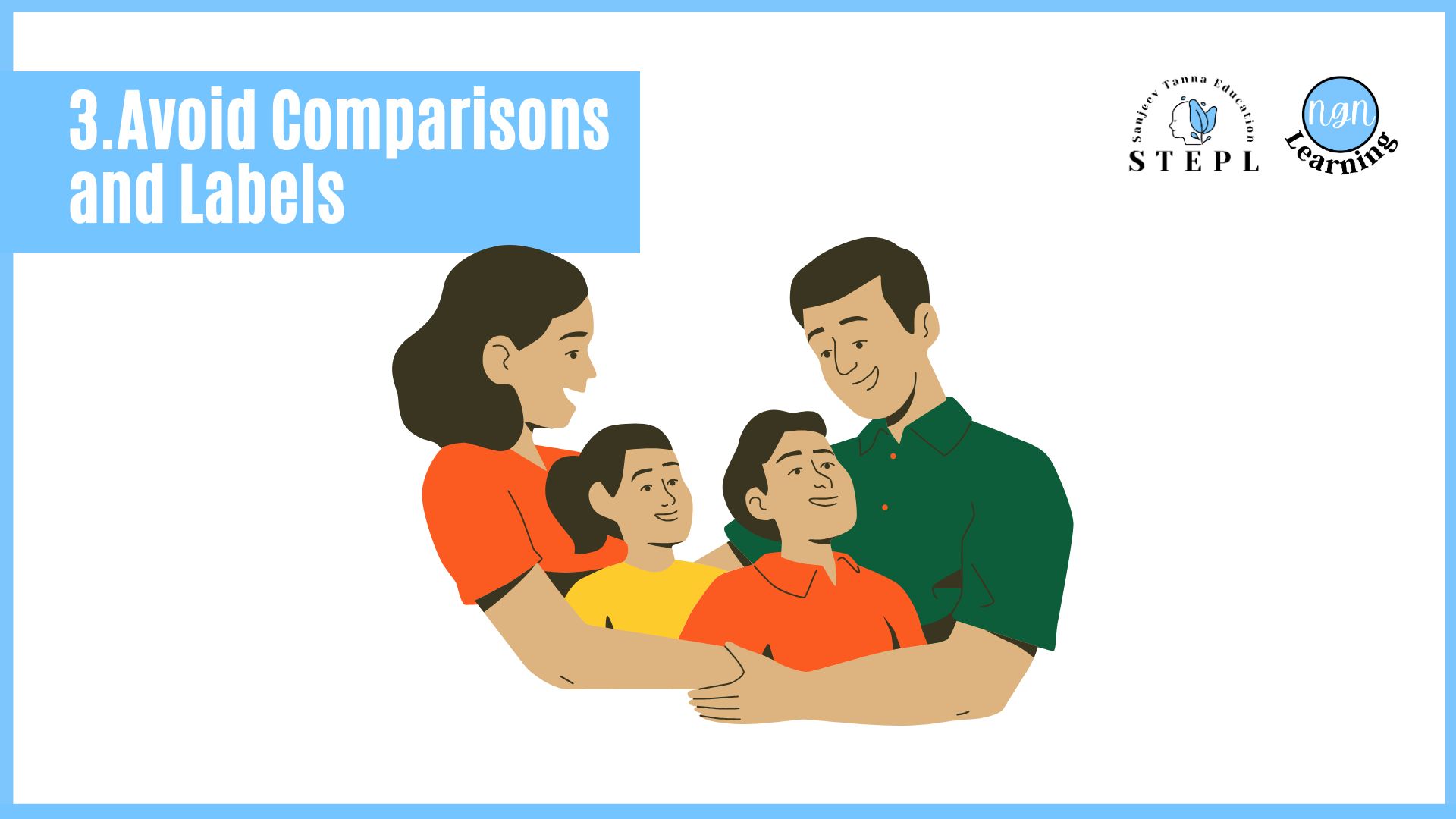
Avoid Comparisons and Labels: It’s crucial to avoid comparing your children or labelling one as “the smart one” or “the athletic one.” Comparisons can foster jealousy and competition rather than cooperation. Instead, celebrate each child’s unique qualities and achievements.
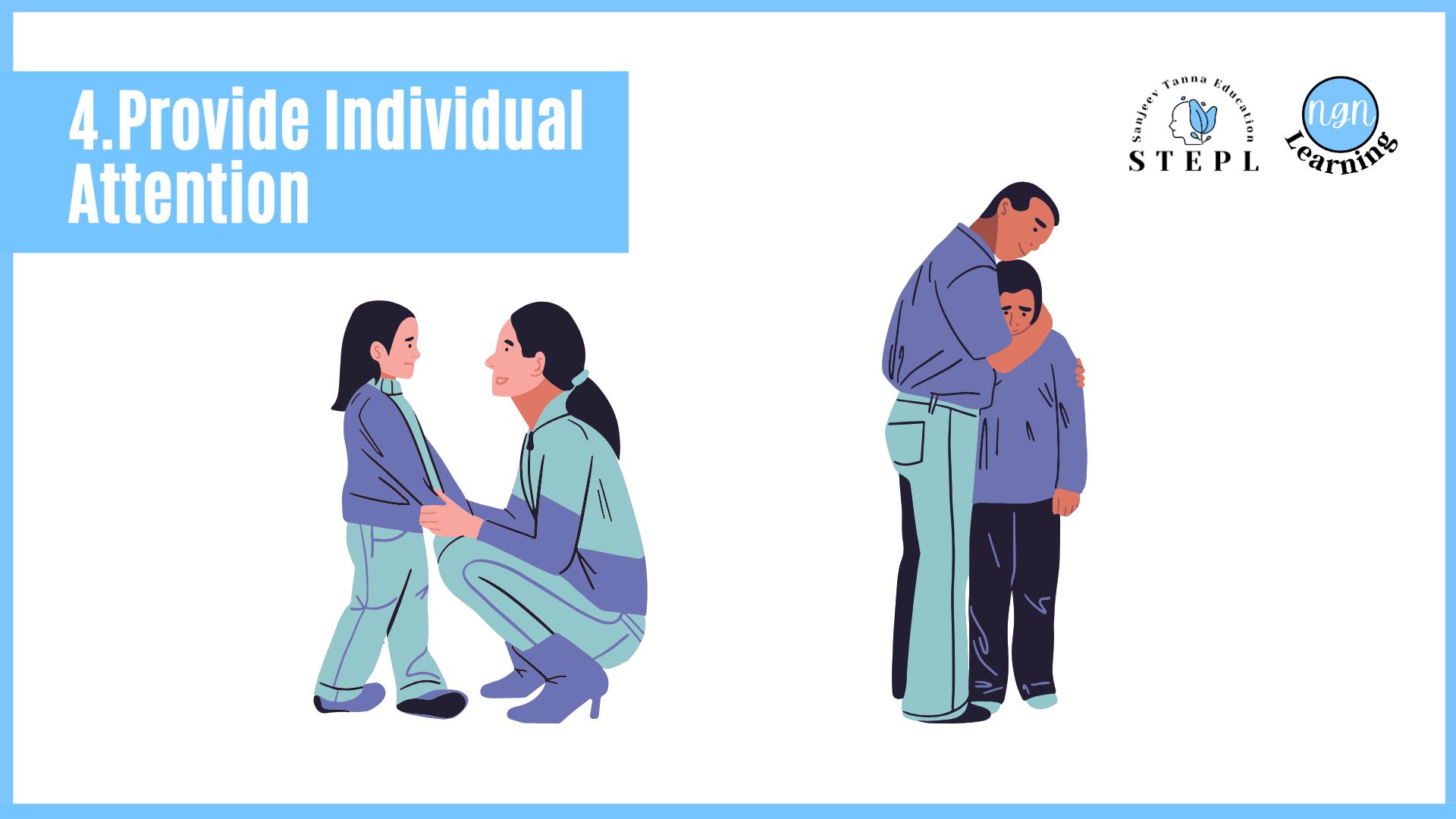
Provide Individual Attention: Make sure each child receives one-on-one time with you. This helps reduce feelings of rivalry and ensures that each child feels valued for who they are, not just as part of a sibling unit.
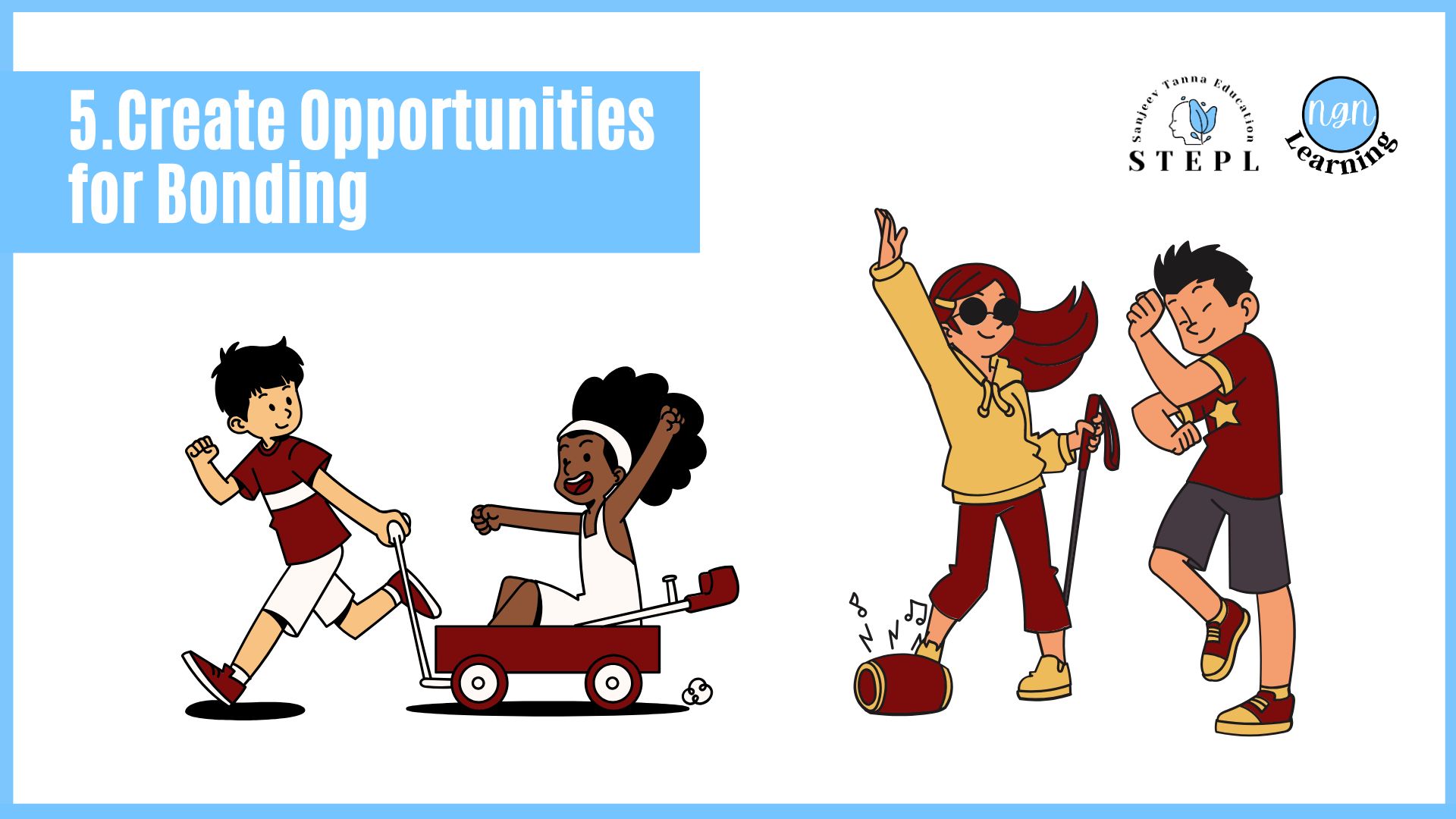
Create Opportunities for Bonding: Set aside time for family bonding activities where siblings can have fun together without the pressures of daily routines. Simple moments, like movie nights or outdoor games, can strengthen their connection and create lasting memories.
As with any positive behaviour, it’s important to acknowledge and reinforce healthy sibling interactions. Praise your children when they resolve conflicts peacefully or cooperate well. Reward systems can also be used to encourage ongoing positive behaviour between siblings. By emphasising the value of their relationship, you help foster a sense of pride in maintaining that bond.

November 1, 2025
Empathy and compassion are crucial life skills that help children understand and share the feelings...
July 2, 2024
Digital Detox: Tips for Reducing Screen Time Without the Drama using Next Generation’s Nation Learning...
November 30, 2024
5 Strategies to Help Your Child Deal with Peer Pressure Empowering Your Child to Navigate...