
Boost Your Teen’s Nutrition: 5 Strategies to Address Eating Issues
July 27, 2024
Boost Your Teen’s Nutrition: 5 Strategies to Address Eating Issues Navigating the teenage years can...


Why does it seem like there’s never enough time in the day? Your child has homework, chores, and hobbies they love, yet somehow, everything feels like a last-minute scramble. The frustration builds, and the stress takes over. What’s going wrong, and how can you help your child take control of their time?
What is Time Management?
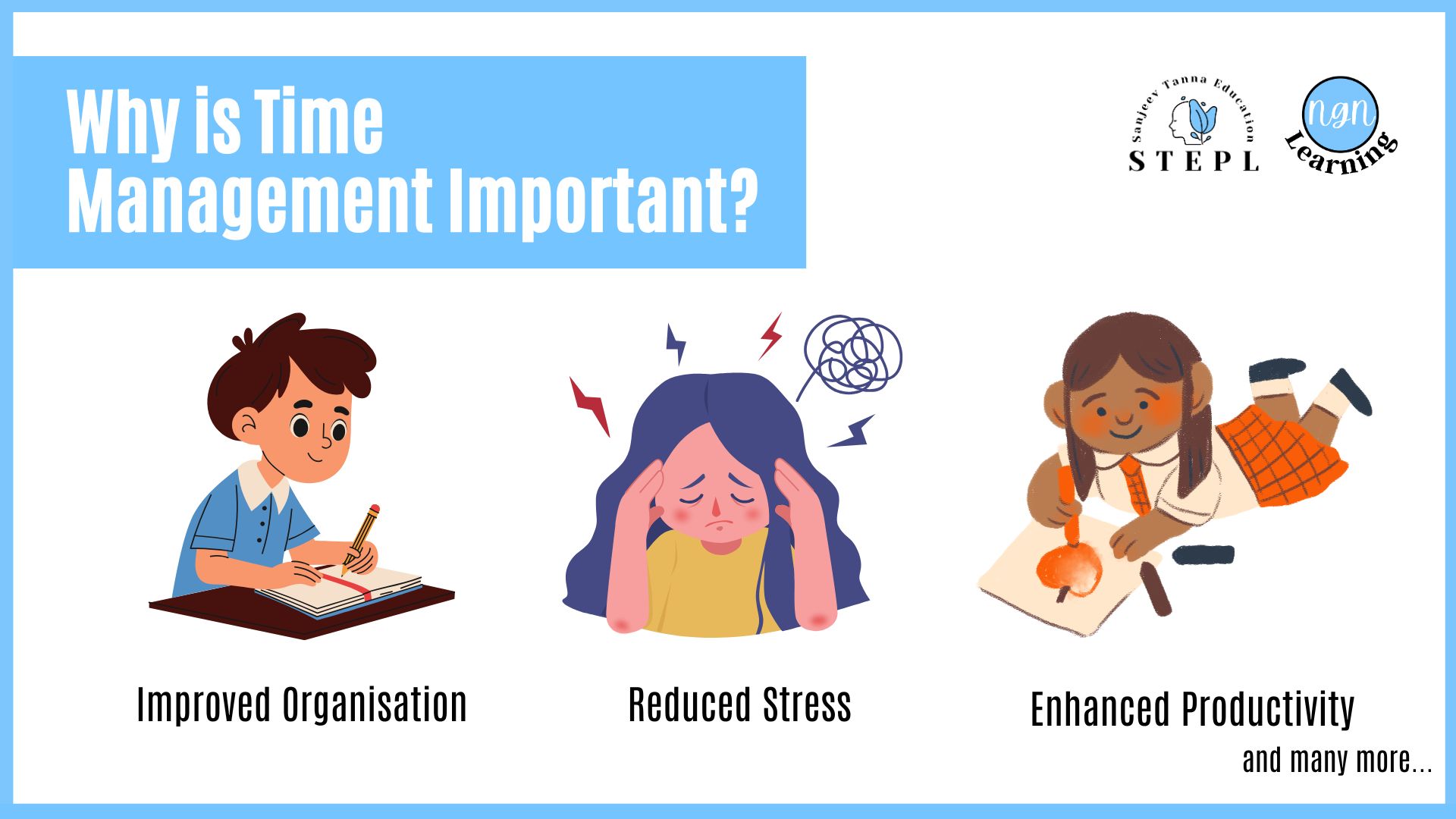
Time management involves planning and controlling how much time to spend on specific activities. For children, it’s about learning to balance schoolwork, playtime, and other activities effectively.
Why is Time Management Important?
Improved Organisation:
Reduced Stress:
Enhanced Productivity:
Better Academic Performance:
Increased Self-Discipline:
More Time for Recreation:
Goal Achievement:
Positive Emotional Well-Being:
Preparation for Future Challenges:
The Role of Parents and Guardians:
Parents and guardians play a crucial role in helping children develop time management skills. By modelling effective time management habits, such as planning ahead and sticking to a schedule, you provide a valuable example for your child. Additionally, being actively involved in creating and reviewing their to-do lists can help reinforce these skills and provide the support they need to succeed.
The Link Between Time Management and Emotional Well-Being:
Signs of Poor Time Management:
Poor time management can manifest in various ways. If your child is struggling with time management, you might notice some of the following signs:
3 Tips to Help Your Child Develop Time Management Skills


If your child tends to procrastinate, help them by breaking down larger tasks into smaller, more manageable steps. Encourage them to start with the easiest step to build momentum.
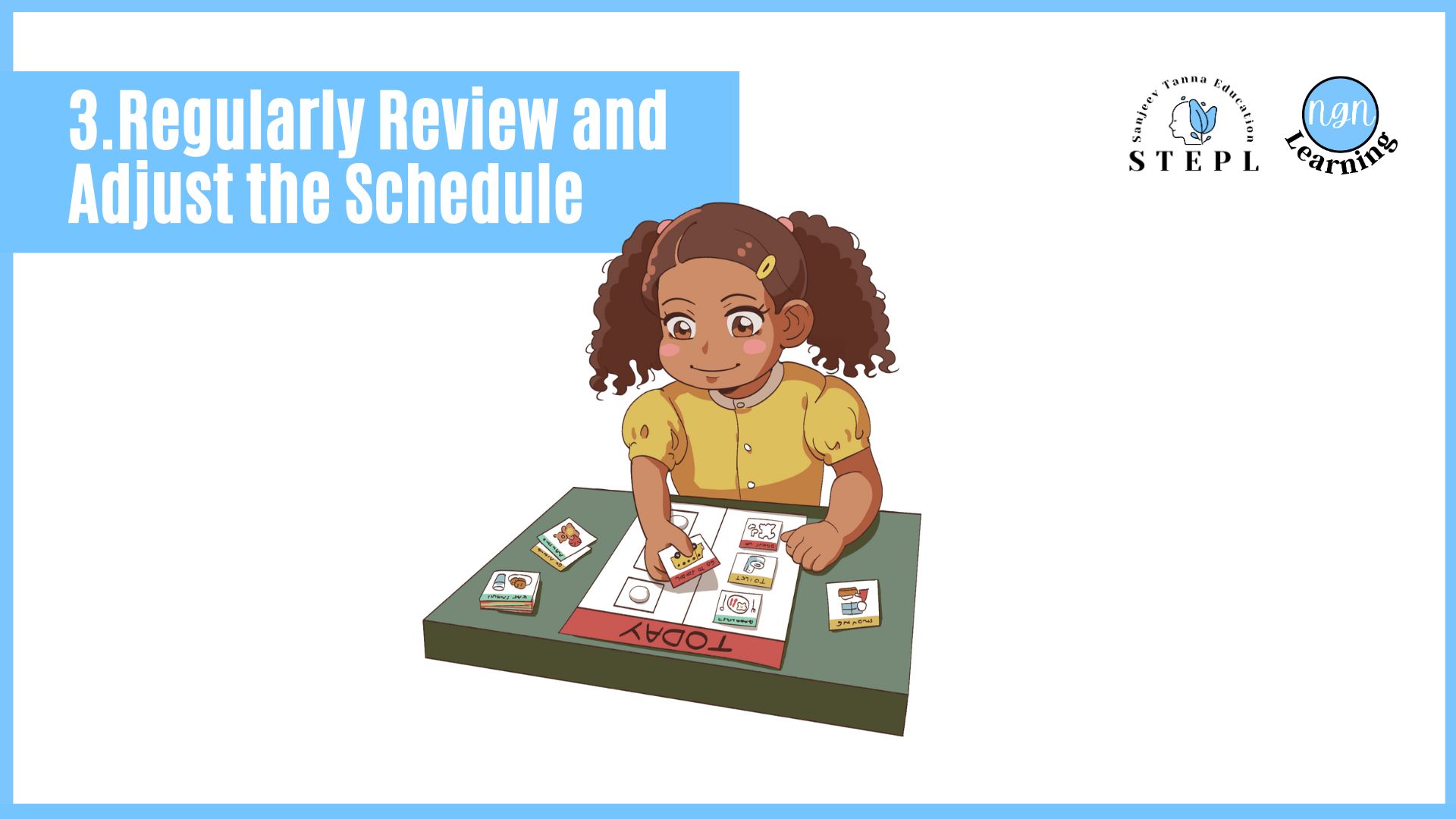
At the end of each day or week, sit down with your child to review their to-do list and schedule. Discuss what worked well, what didn’t, and make adjustments as needed to improve their time management.
Rewards and Positive Reinforcement:
Encourage your child to stick to their time management goals by using rewards and positive reinforcement. Celebrate their successes, no matter how small, and acknowledge their efforts with praise or a reward system. This positive feedback not only motivates your child to stay on track but also helps build their confidence in managing their time effectively.

July 27, 2024
Boost Your Teen’s Nutrition: 5 Strategies to Address Eating Issues Navigating the teenage years can...

September 9, 2024
Top 3 Strategies To Support Students Who Have Experienced Trauma “Trauma is a fact of...

June 4, 2025
Why Kids Struggle to Understand Others’ Emotions—and How to Help Have you ever noticed your...