3 Tips for Addressing Social Anxiety in the Classroom
September 24, 2024
3 Tips for Addressing Social Anxiety in the Classroom “The greatest mistake you can make...
Responsibility is not a burden; it is a privilege and an essential part of growing up.”
– Dr. Jane Nelsen, Child Psychologist
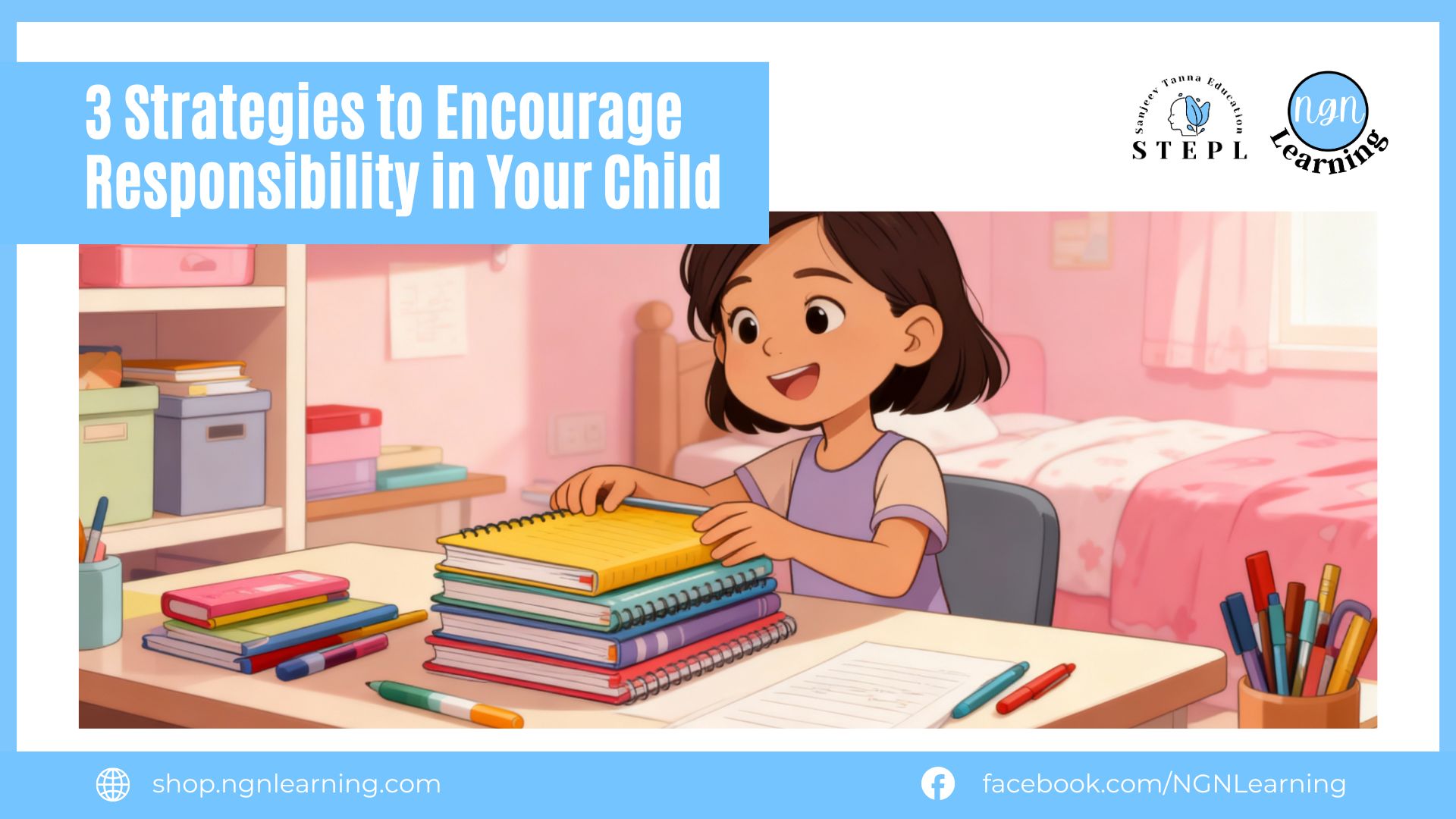
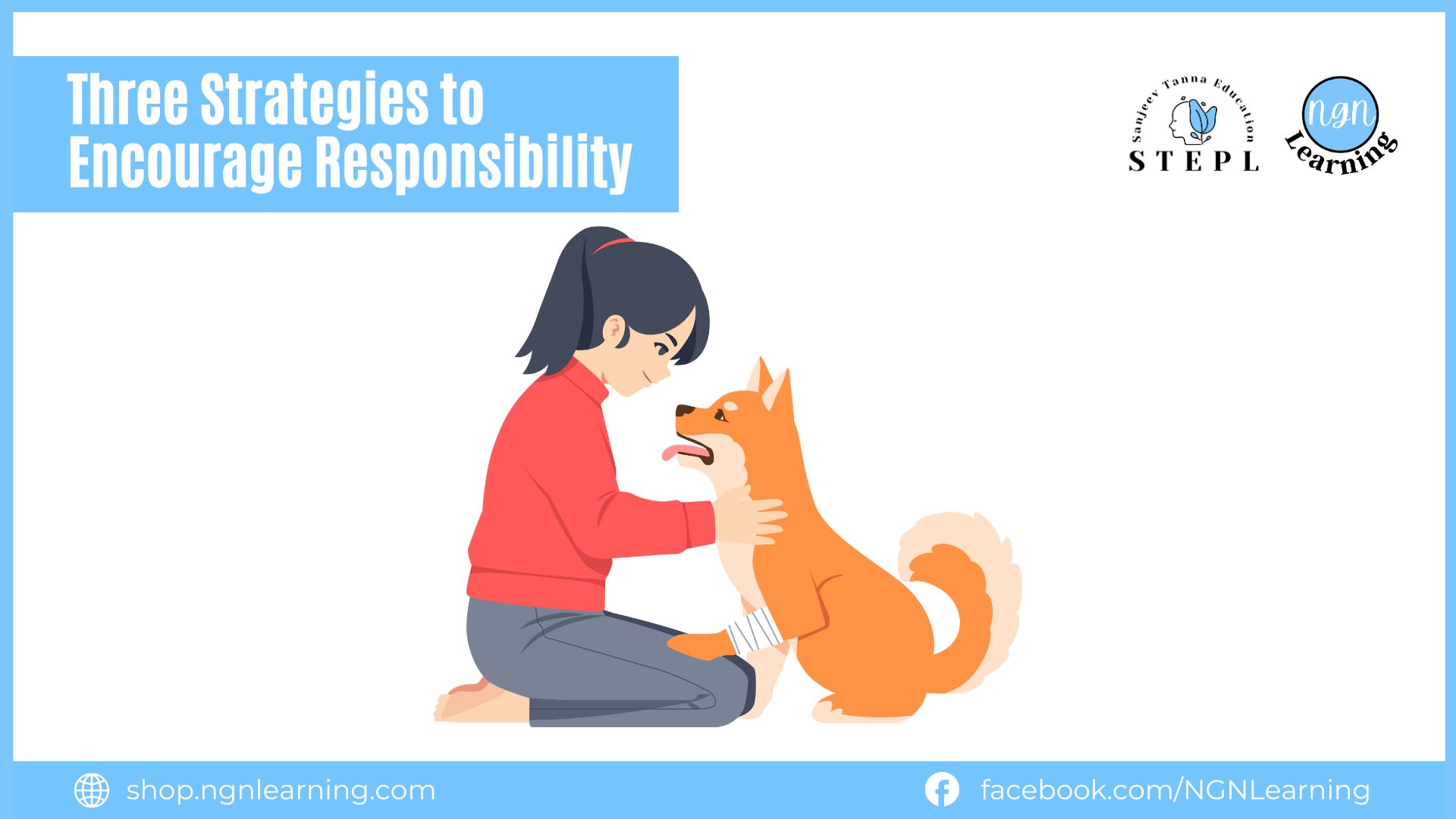
Helping children learn responsibility is one of the most important things we can do as parents. It helps them become more independent, accountable, and prepared for adulthood. Plus, it can make family life a bit smoother. Here are three practical and effective strategies to encourage responsibility in your child.
Responsibility means taking ownership of one’s actions and understanding their impact on others and the world. For children, this translates to completing tasks, making decisions, and grasping the consequences of their actions. This gradual learning process thrives on guidance, patience, and lots of encouragement from us as parents and caregivers.
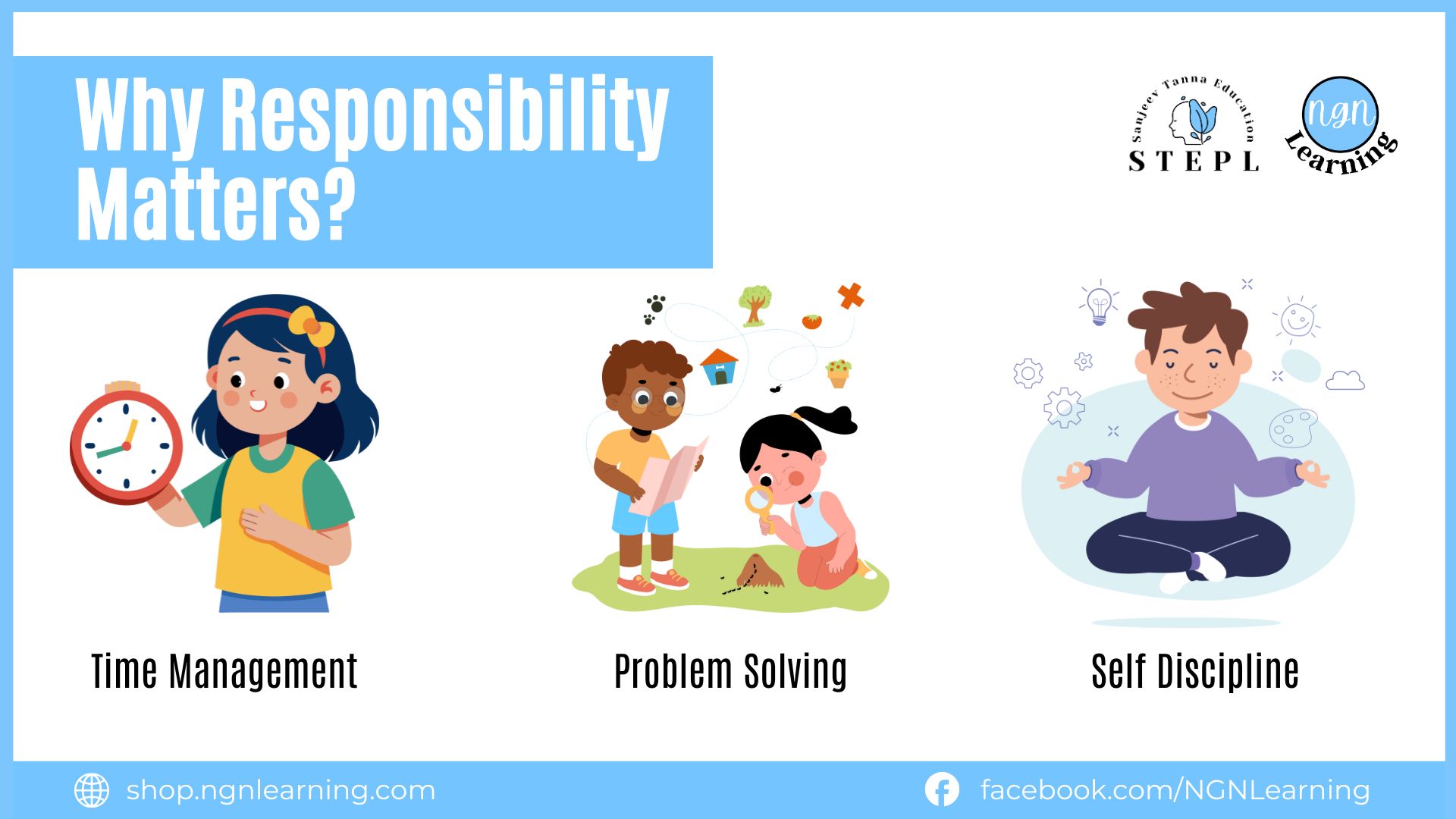
Teaching responsibility equips children with vital life skills like time management, problem-solving, and self-discipline. It also boosts their self-esteem as they become confident in handling various tasks and challenges. Ultimately, a responsible child is more likely to grow into a responsible adult, ready to manage their personal and professional lives effectively.
Giving kids tasks that match their age and abilities is a fantastic way to foster responsibility. Start with simple chores and gradually increase the complexity as they grow older and more capable.
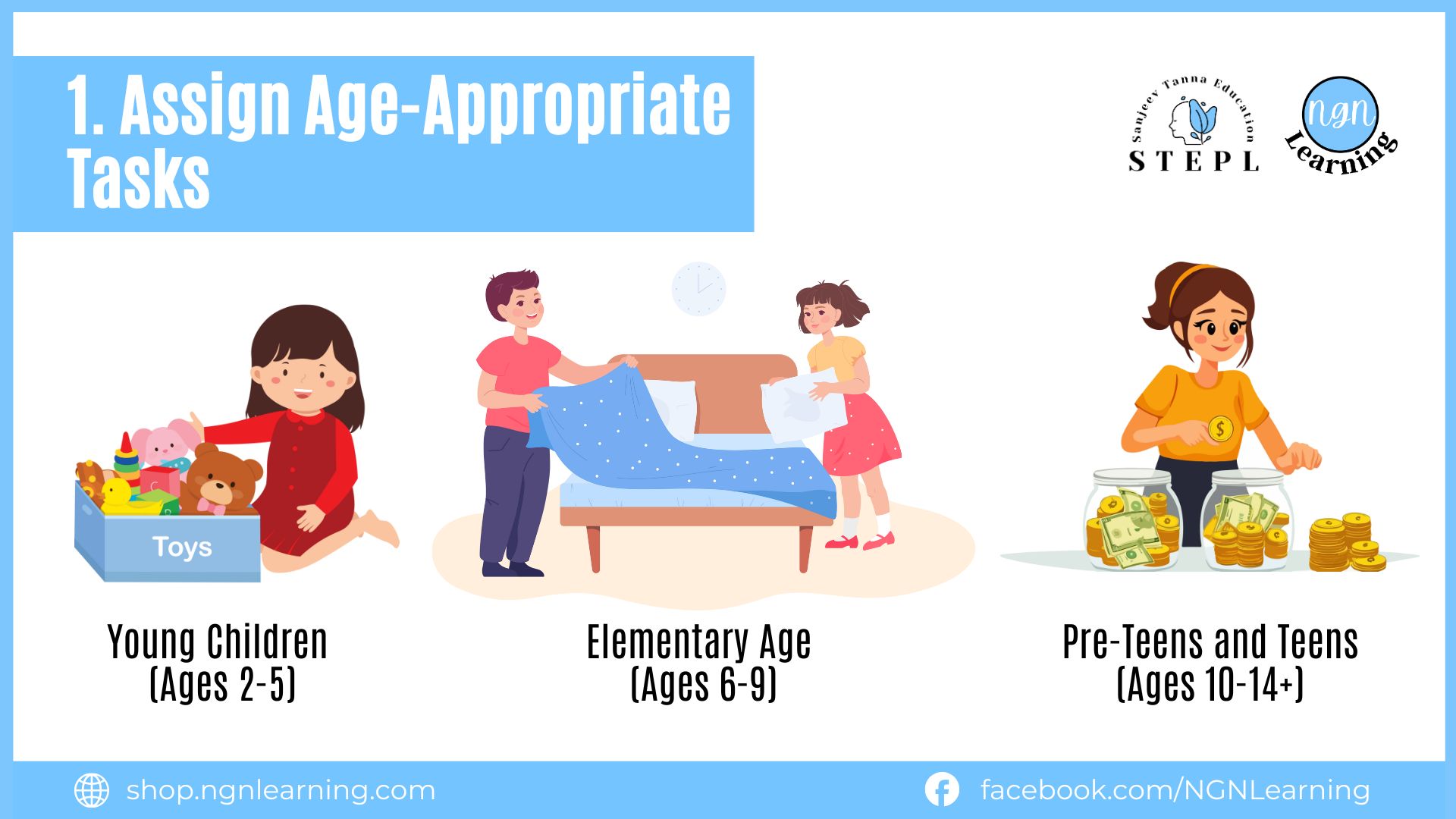
Explain and demonstrate tasks clearly, and always provide positive reinforcement and praise to motivate them and acknowledge their efforts.
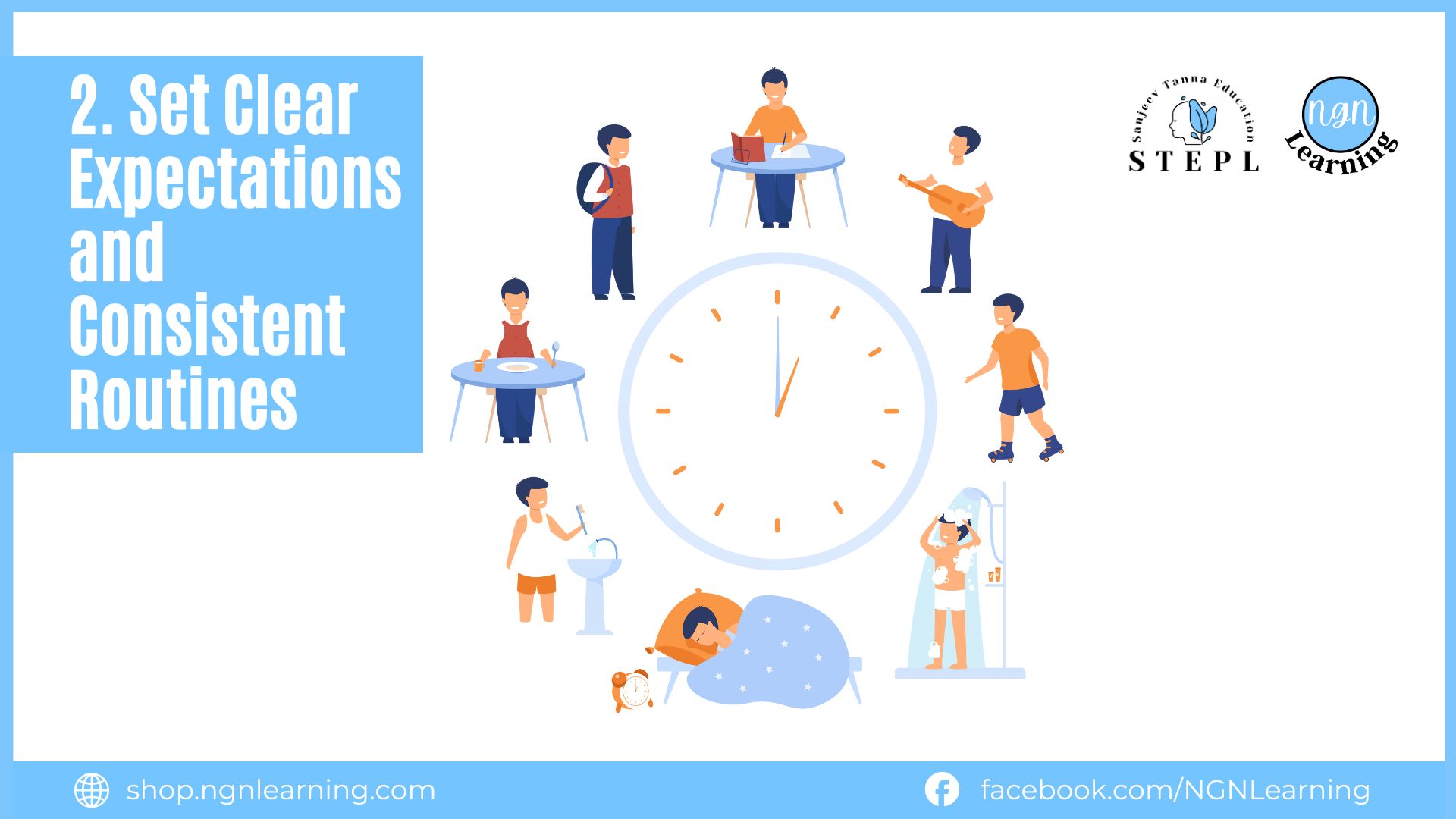
Children thrive on structure and knowing what is expected of them. Establishing clear expectations and consistent routines helps them understand their responsibilities.
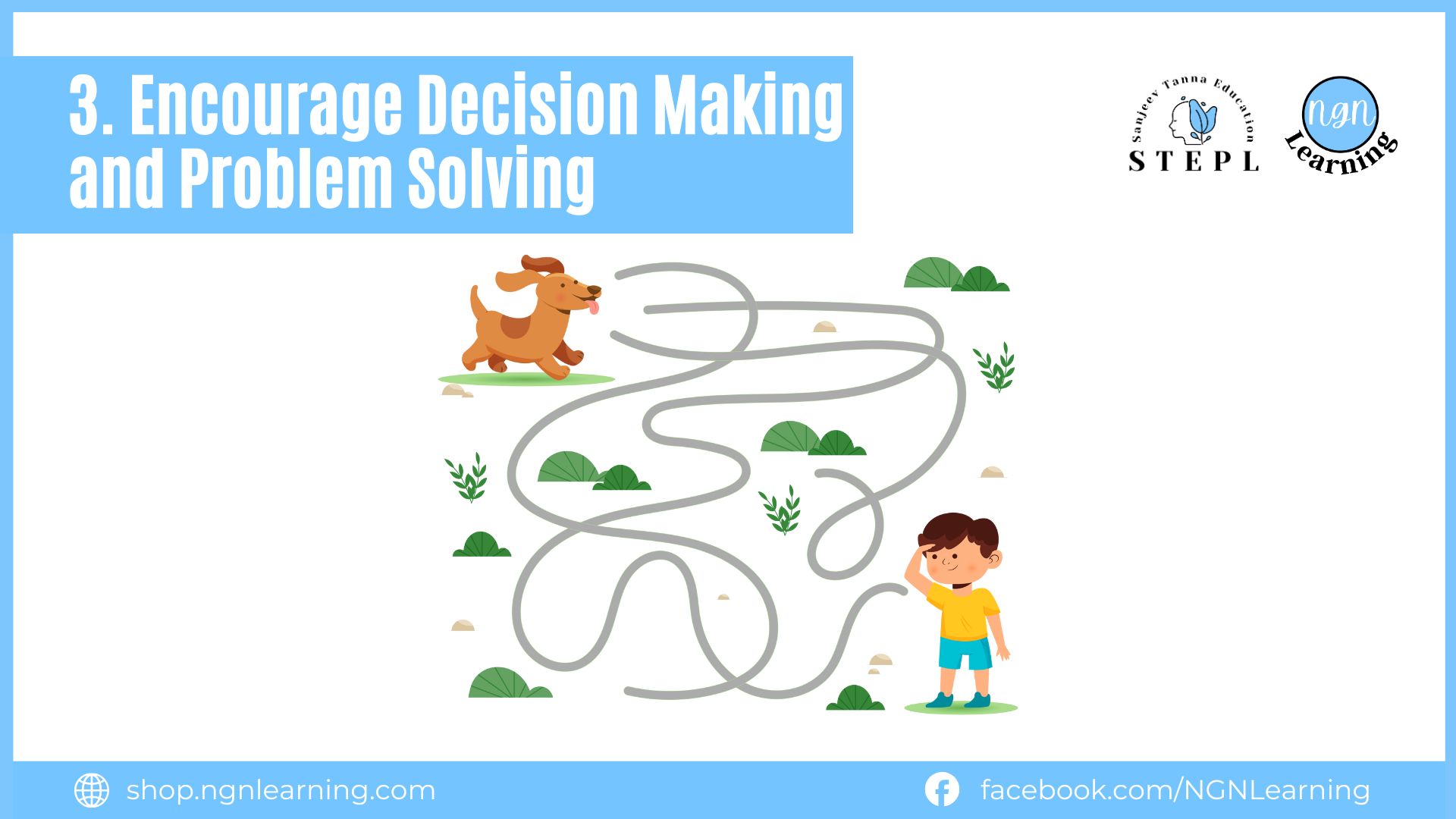
Allowing children to make decisions and solve problems on their own fosters independence and critical thinking skills. It also helps them understand the connection between their choices and the outcomes.
Encouraging responsibility in your child is a rewarding journey that requires patience, consistency, and lots of positive reinforcement. By assigning age-appropriate tasks, setting clear expectations, and encouraging decision-making, you can help your child grow into a responsible, independent, and confident individual. Remember, our goal is to guide and support our children as they learn to take ownership of their actions and understand the value of responsibility.
If you find that these strategies aren’t helping, there might be deeper issues that could benefit from professional support.

September 24, 2024
3 Tips for Addressing Social Anxiety in the Classroom “The greatest mistake you can make...

July 2, 2024
Digital Detox: Tips for Reducing Screen Time Without the Drama using Next Generation’s Nation Learning...

July 12, 2024
7 Essential Tips for Guiding Your Teen Through Attraction and Relationships “Guiding your teen through...