3 Effective Strategies to Help Your Child Overcome Fear | NGN Learning
3 Effective Strategies to Help Your Child Overcome Fear
December 15, 2025
Understanding Fear: What Is It and What Causes It?
Fear is a natural, powerful emotion that arises in response to perceived threats or danger. It is a survival mechanism designed to keep us safe by triggering the “fight, flight, or freeze” response when faced with potential harm. In children, fear can be caused by various factors, including:
Developmental Factors: As children grow, they encounter new experiences that can be overwhelming or confusing. Fear of the dark, monsters, or being separated from parents are common during early childhood.
Environmental Triggers: A child’s surroundings, such as a chaotic household, exposure to violent media, or hearing about natural disasters, can contribute to fear. Even overhearing adults discussing worrisome topics can be unsettling for a child.
Traumatic Experiences: Experiencing or witnessing traumatic events, such as a car accident, bullying, or the loss of a loved one, can lead to intense and persistent fears.
Inherited Tendencies: Some children are naturally more anxious or sensitive due to their temperament or genetic factors, making them more prone to fear.
The Importance of Managing Fear
While fear is a natural and protective emotion, it becomes problematic when it interferes with daily life. If left unaddressed, chronic fear can lead to a range of mental health issues, including anxiety disorders, depression, and phobias.
Managing fear in children is crucial for several reasons:
Promotes Emotional Resilience: Helping children manage their fears equips them with coping skills that contribute to emotional resilience, allowing them to handle stress and challenges more effectively as they grow.
Supports Healthy Development: Fear can hinder a child’s ability to explore, learn, and engage with the world around them. By addressing and managing fear, parents can foster a safe and supportive environment that encourages healthy development.
Prevents Long-Term Consequences: Persistent fear can lead to avoidance behaviours, social withdrawal, and difficulties in academic performance. Addressing fear early on helps prevent these negative outcomes.
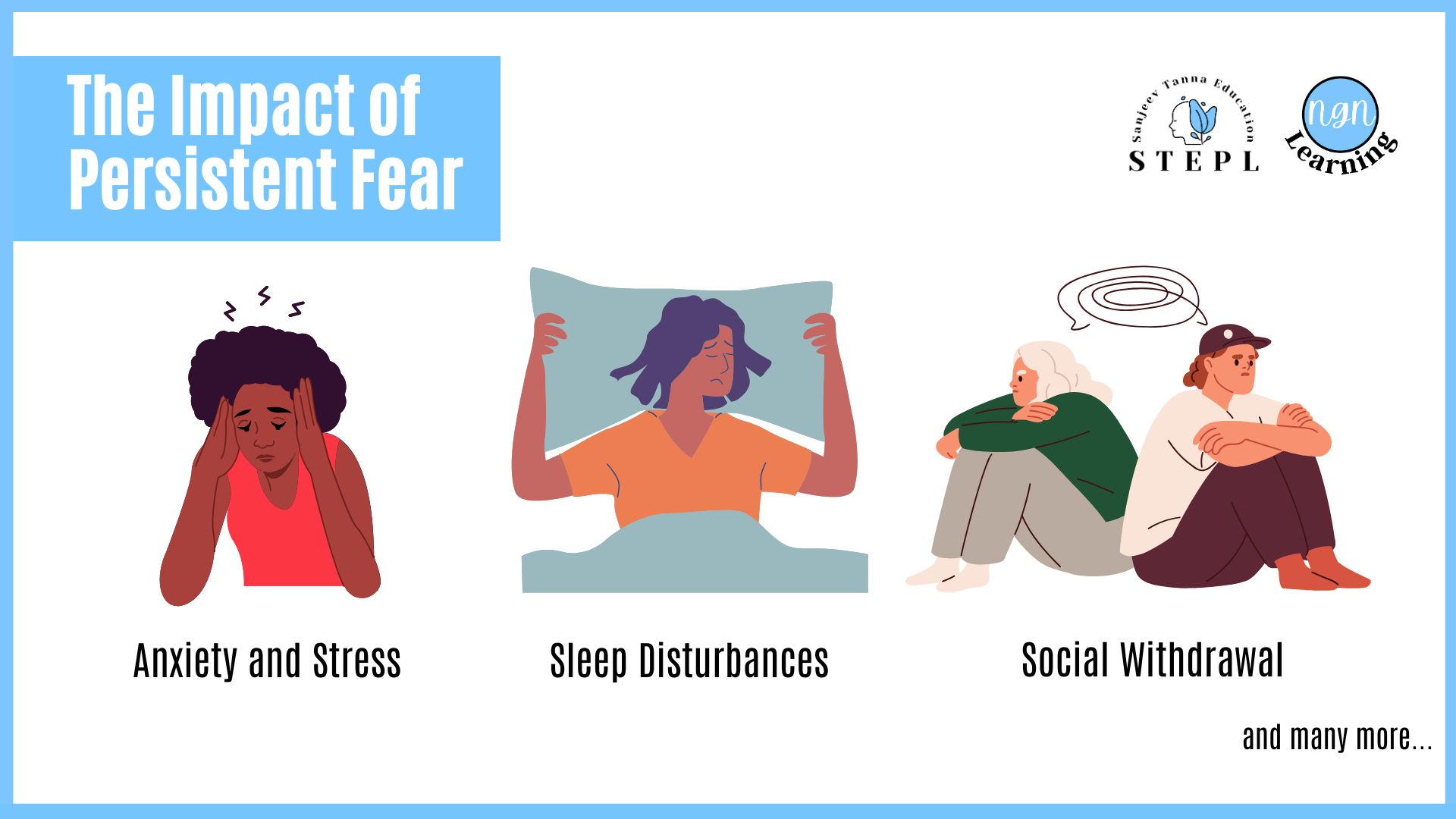
The Impact of Persistent Fear
Children who experience chronic fear may exhibit a range of behavioral and emotional symptoms. These can include:
Anxiety and Stress: Constant fear can lead to ongoing anxiety, where a child is frequently worried, tense, or restless.
Sleep Disturbances: Fear can disrupt sleep patterns, leading to nightmares, difficulty falling asleep, or frequent waking during the night.
Social Withdrawal: Fearful children may avoid social interactions, leading to isolation and difficulty making friends.
Physical Symptoms: Chronic fear can manifest physically, causing stomachaches, headaches, or other stress-related ailments.
Academic Challenges: Fear and anxiety can impair concentration and memory, making it difficult for a child to perform well in school.
3 Strategies for Parents to Manage and Address Their Child’s Fear
Open Communication and Active Listening
One of the most effective ways to help your child manage fear is through open communication. Encourage your child to talk about their fears without judgment or dismissal. Listen actively and validate their feelings, letting them know that it’s okay to be scared.
Ask Open-Ended Questions: Instead of asking, “Are you scared?” try asking, “What are you feeling right now?” This approach invites your child to express their emotions more freely.
Validate Their Feelings: Acknowledge your child’s fear by saying, “I understand that you’re feeling scared. It’s okay to feel this way.”
Reassure and Provide Comfort: Offer reassurance that you are there to protect and support them. Sometimes, knowing that a parent is there can significantly reduce a child’s fear.
2. Gradual Exposure and Desensitization
Helping your child gradually face their fears in a controlled and supportive manner can reduce the intensity of their fear over time. This technique, known as gradual exposure, involves slowly introducing your child to the feared object or situation in small, manageable steps.
Start Small: Begin with the least frightening aspect of the fear. For example, if your child is afraid of the dark, start by dimming the lights slightly rather than turning them off completely.
Celebrate Progress: Recognise and celebrate small victories. Each step forward is an achievement, no matter how minor it may seem.
Stay Consistent: Regular and consistent exposure helps build confidence. If your child successfully faces their fear, continue to provide opportunities to practice this new skill.
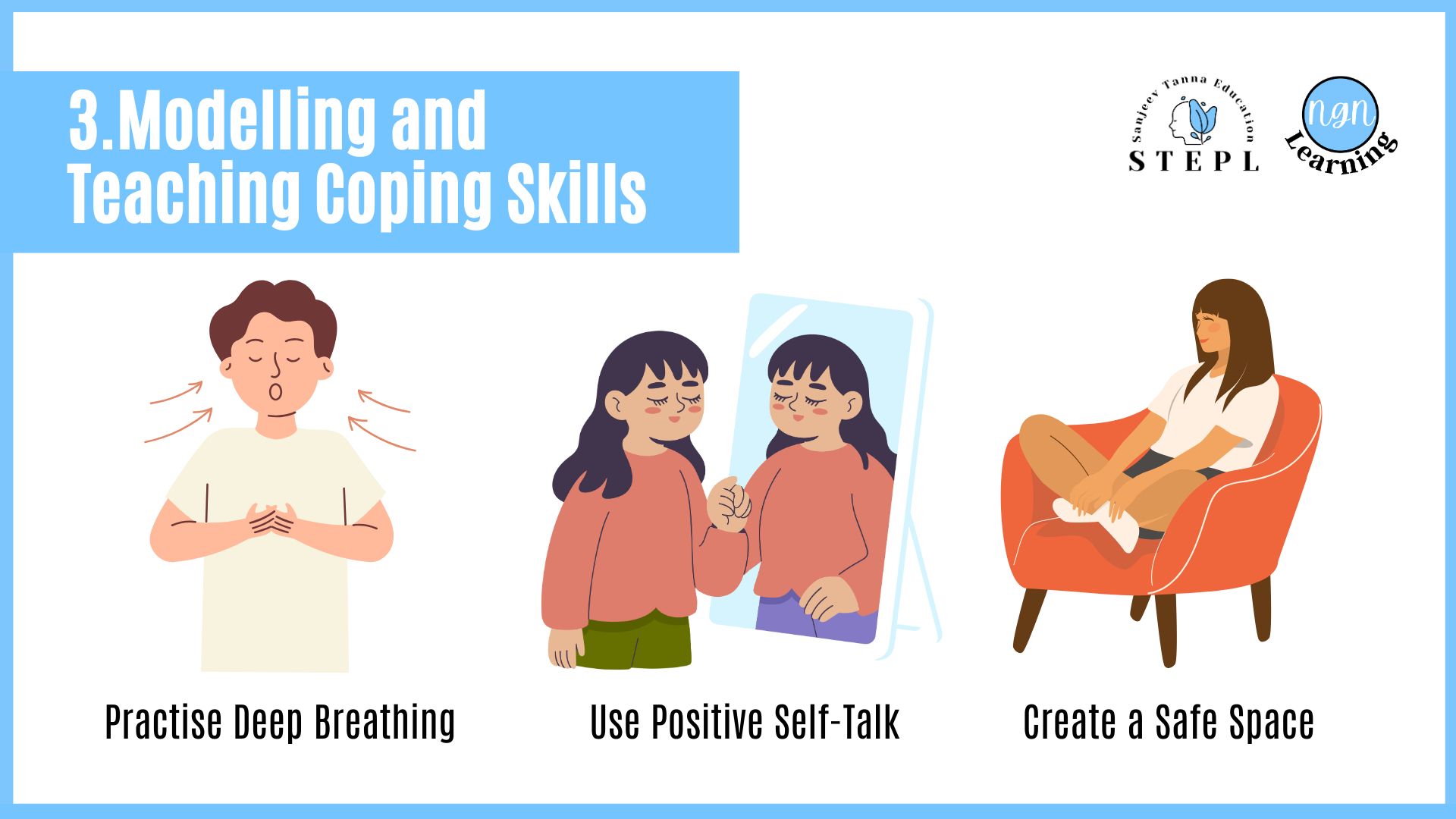
3. Modelling and Teaching Coping Skills
Children often learn how to respond to fear by observing their parents. You can teach your child how to manage their fears by modelling calm and effective coping strategies.
Practise Deep Breathing: Teach your child deep breathing techniques to help them calm down when they feel scared. Deep breathing helps to regulate the body’s stress response and promotes relaxation.
Use Positive Self-Talk: Encourage your child to use positive affirmations or self-talk when they feel afraid. Phrases like “I can handle this” or “I am safe” can empower your child to confront their fears.
Create a Safe Space: Designate a safe space in your home where your child can go when they feel scared. This could be a cosy corner with comforting items like a favourite blanket, stuffed animal, or calming music.
Conclusion
Managing a child’s fear is essential to fostering their emotional and psychological well-being. By understanding the causes of fear, recognising its impact, and implementing effective strategies, parents can help their children navigate their fears and develop the resilience needed to thrive. Remember, the goal is not to eliminate fear but to equip your child with the tools to manage it healthily and constructively.