7 Essential Tips for Guiding Your Teen Through Attraction and Relationships
July 12, 2024
7 Essential Tips for Guiding Your Teen Through Attraction and Relationships “Guiding your teen through...
Do you remember waiting for important news, like test results or medical tests? You feel anxious and scared, wondering what will happen. Your heart beats fast, you sweat, and you feel trapped. You don’t want to talk to anyone. You’re worried about the worst-case scenario. These moments are stressful and hard to forget.
Yes, that’s how anxiety feels like: breathlessness and rapid heartbeat as physical symptoms, avoiding others as a behavioural sign, and expecting the worst as a cognitive response—this forms the Thought-Action-Behavior connection.
Not all anxiety-provoking situations are negative; there are both positive and negative anxieties:
Recognizing anxiety in your child:
Causes of Anxiety in Children
Causes of anxiety in children include genetics, school and family stress, traumatic events, chronic illness, changes in routine, overprotective parents, excessive screen time, and brain chemistry imbalances.
Strategies for coping with anxiety:
1. Validate their feelings: Recognize and accept their emotions, showing empathy and understanding. Encourage your child to talk about their feelings; listen actively and reassure them without dismissing their fears. For instance, discussing upcoming exams can help your child feel confident.
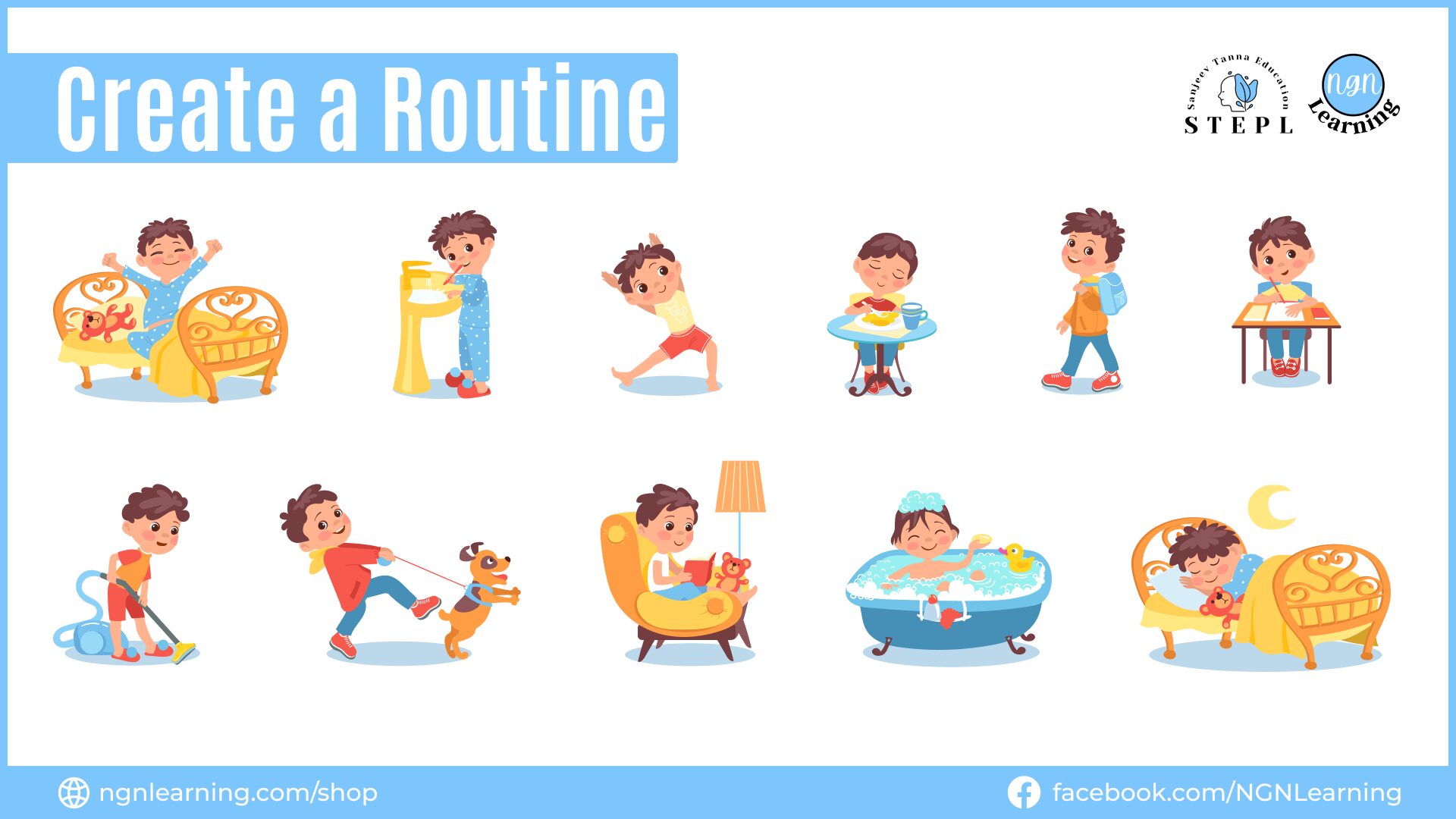
2. Create a routine: Establish a predictable routine for stability at
home. For example, setting up a routine- dinner time can be a safe
place to open up and talk.
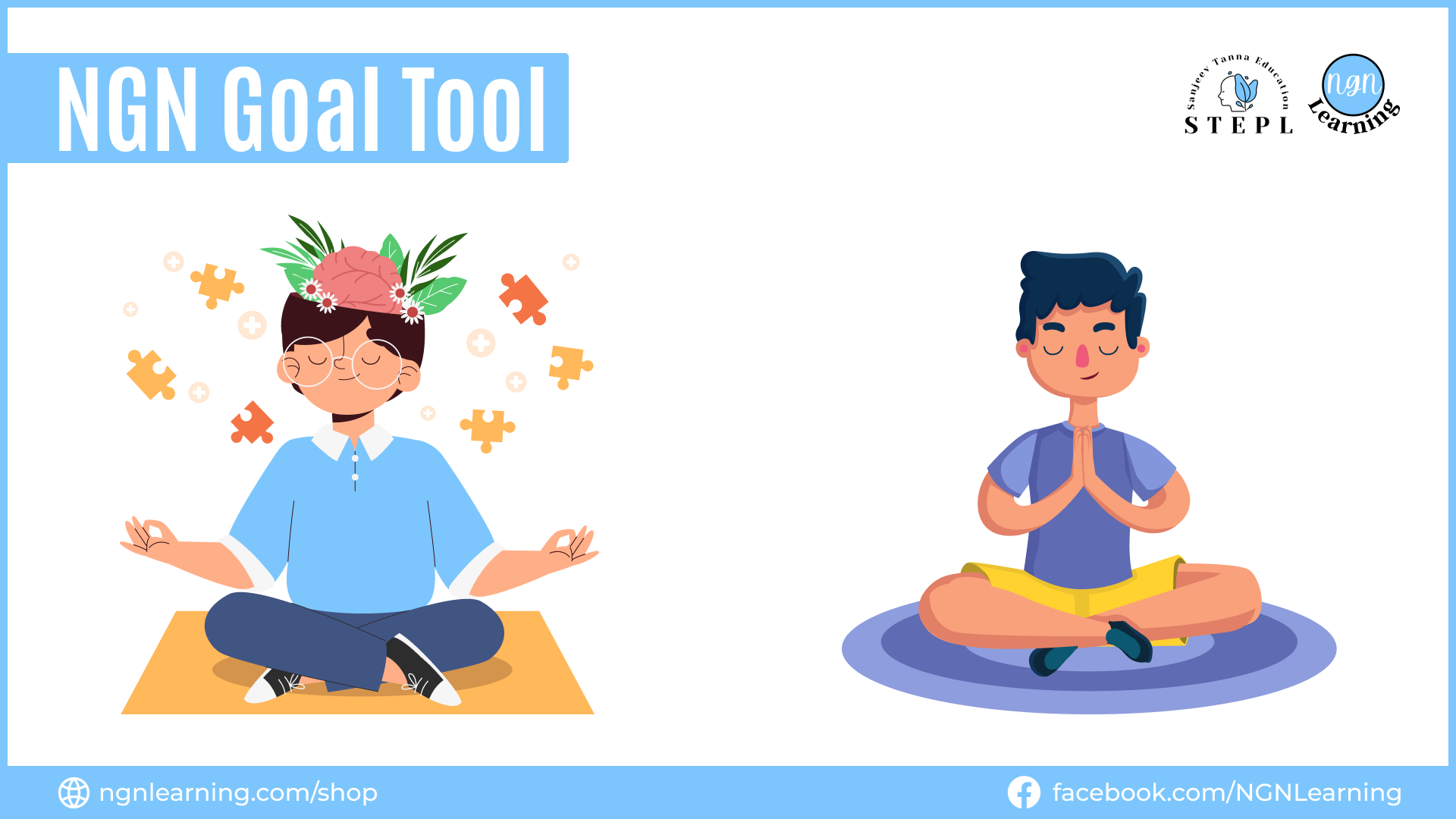
3. Teach relaxation techniques: Teach slow, deep breaths to calm their mind and body. For example, do practise deep breathing before bedtime as a family to enhance the family bond and reduce anxiousness, aiding peaceful sleep. For additional resources and Next Generation Nation’s Learning (NGN Learning)tools, you can refer to the Mindfulness Kit.
4. Practise positive self-talk: Help them replace negative thoughts with positive affirmations. For example, encouraging statements like “I can do this” before a challenging task. Find more strategies in the Next Generation Nation’s Learning (NGN Learning) Healthy Coping Kit.
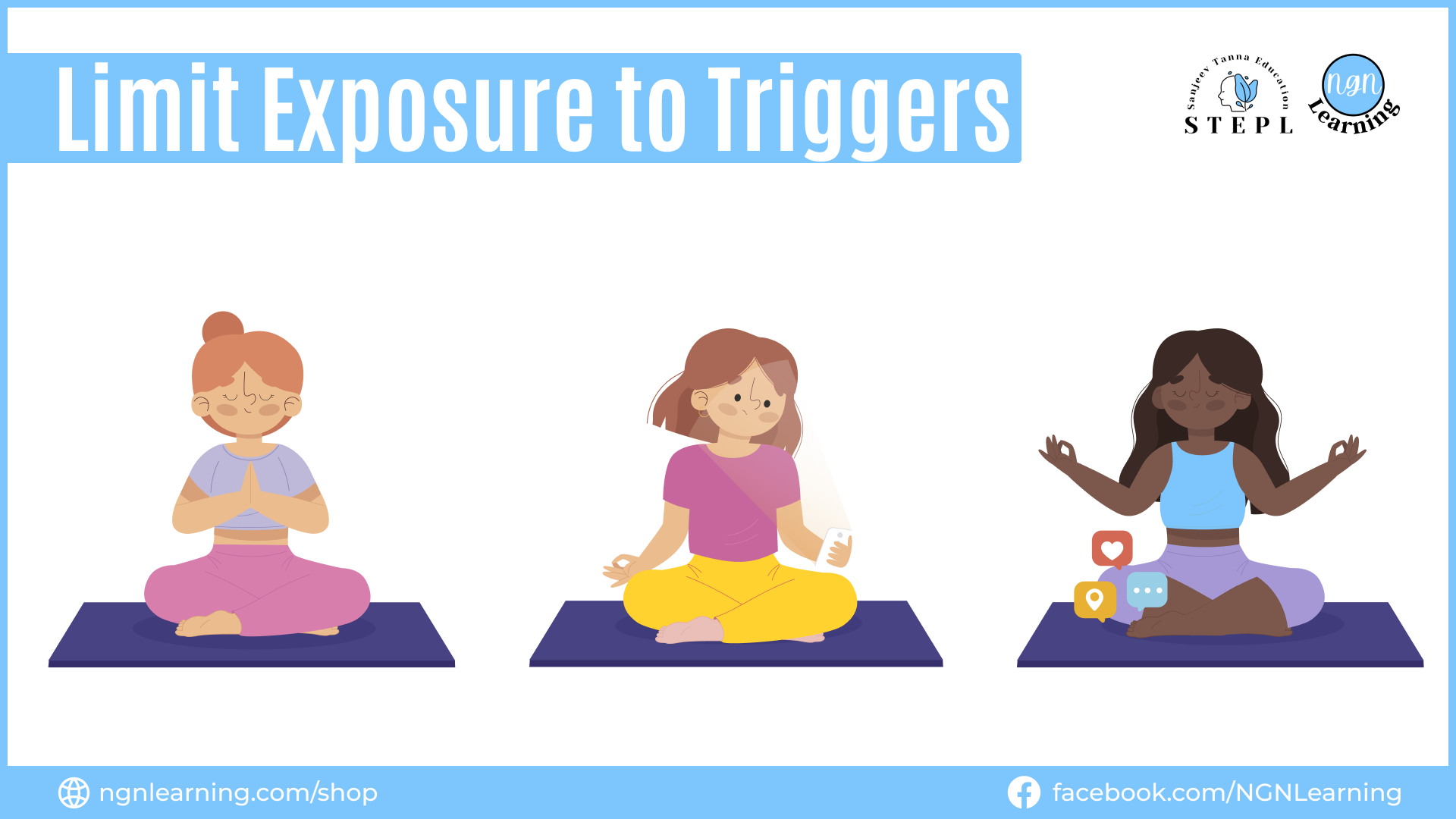
5. Limit Exposure to Triggers: Monitor media exposure and create a quiet, calming space at home. For example, Digital detoxing, Limiting the screen time.
6. Miracle Question: Ask them to imagine a future without (their problem) to inspire positive change. For example, discussing what they would do if they weren’t afraid of certain situations.
7. Map of the Problem: Identify triggers and responses contributing to anxiety. For example, keeping a journal to track situations that cause anxiety and their reactions.
8. Ask Good Coach Questions: Guide them to think about managing anxiety/problem situations effectively. For example, asking how they’ve successfully managed anxiety in the past.
9. Model calm behaviour: Children learn from observing, so manage your own anxiety and show healthy coping mechanisms.
10. Offer reassurance: Provide comfort and support without dismissing their concerns.
Remember, every child is unique, so work with your child to find the strategies that best suit their needs.
When anxiety starts significantly affecting your child’s daily life, it’s time to consider seeking professional help. Consulting with a mental health expert, such as a child psychologist, can provide essential support and effective strategies. Early intervention is crucial in these situations. I strongly recommend considering booking an initial counselling session with NGN Learning. This step can help address your concerns and set up a personalised plan to manage anxiety effectively for your child. Taking this proactive approach shows your commitment to your child’s well-being and can make a positive impact on their daily life.

July 12, 2024
7 Essential Tips for Guiding Your Teen Through Attraction and Relationships “Guiding your teen through...
June 27, 2024
Raising Emotionally Intelligent Kids: Simple Tips for Everyday Parenting Are you equipping your child with...
July 6, 2024
Top 7 Anger Management Techniques for Children Children’s anger is like a summer storm—intense but...